In the silent shadow of a bomb-scarred London landscape, a single letter made its way to the stoic gates of Buckingham Palace. It was 1940, a year heavy with the relentless Blitz that swallowed nighttime in plumes of smoke and terror. A young boy, whose life had been irrevocably altered by war, sought solace in the unlikeliest of places. The letter was his beacon, guiding him to a sanctuary of hope amidst despair. And then, just as unexpectedly, an answer crossed the threshold of his humble abode. It was a reply that would echo through the annals of royal history, for it was written by none other than King George VI himself. The unwritten bond of grief and compassion between a king and a common boy, bound by the ink of shared sorrow, remains a poignant testament to humanity's enduring grace.
The King's Personal Touch
King George VI is often remembered as a reluctant monarch—a humble man thrust into the spotlight by the abdication crisis. His transformation from Albert, the Duke of York, to King George VI was not just a change of title, but a summons to lead with empathy born of personal tribulation. As he navigated the duties of kingship during Britain’s most trying times, George VI connected not only with statesmen and generals but also with his subjects—each of whom bore their own wartime burdens.
It was amidst such national turmoil that the young boy's letter was penned. Fatherless and enveloped in grief, he reached out to the palace not with grand expectations but in a quest for solace. His father's wartime sacrifice had left an irreplaceable void, a chasm that the world's most powerful man inexplicably bridged with a few strokes of his pen.
"He knows," the boy's mother must have thought, her breath catching as she unfurled the king's heartfelt missive.
The king, too, knew the ache of loss. His own father, King George V, had passed unexpectedly in 1936, just as turbulent winds were whispering across Europe. In that moment, it became clear that the king's handwritten response to a young boy was not merely an act of duty. It was a gesture of shared understanding, made vivid by the palpable warmth infused in his message.
A Palace of Compassion
The royal court during King George VI's reign was characterized by a concerted effort to connect more deeply with the British people. Unlike the more removed monarchies of the past, George VI and his wife, Queen Elizabeth, later known as the Queen Mother, endeavored to extend the walls of Buckingham Palace beyond its physical confines. This was a time when the palace became not just a symbol of continuity but a catalyst for compassion.
While it's often assumed that palace correspondence bears the faceless mark of secretarial duty, this era saw the King actively engaging with individual stories. The empathy he demonstrated became a hallmark of the throne, setting a precedent for future generations of royals. His handwritten reply to the young boy didn't just change a child's life; it reinforced a nation’s love for a monarch who cared deeply for his people.
A King's Understanding
Born into the turbulent times of a changing monarchy, King George VI was aware of the burdens carried by ordinary citizens. His own experiences with family loss, a national crisis, and personal challenges of public speaking due to a lifelong stammer, made his empathy not just genuine but profound.
This deep understanding is reflected in the letter he wrote to the grieving boy, a letter whose precise words remain tucked away in the lovingly guarded memory of the boy's family. The king's gesture was symbolic of a larger royal ethic, one that placed the human connection above all else. This was a king who had to continually prove his worth not simply through decree, but through actions like these, connecting intimately with the heart of his realm.
The Legacy of a Letter
Until his own death, the boy who received that extraordinary letter cherished it, safeguarding it as a tangible piece of solace. To him, it wasn't just a letter from royalty but a lifeline thrown from the regal shores into the turbulent sea of his childhood anguish. A king, gracing him with personal words of comfort, lent him not just royal acknowledgment but shared a fragment of his own resilient spirit.
For many, the story of this heartfelt exchange between a king and a boy stands as a powerful reminder of the human capacity for kindness, even from the highest echelons of power. It speaks to the enduring bond of shared humanity—a reminder that, beneath the cloak of titles and duties, beats the heart of someone who understands.
A Royal Lesson for Today
The story of King George VI's handmade card for a grieving child resonates through time, offering powerful lessons for today's world. As contemporary royals continue to engage with global and community issues, this humble letter serves as a timeless beacon of the monarchy’s enduring duty to nurture compassion and connection.
Through such gestures, the royal family remains a constant, revered presence that adapts yet steadfastly adheres to its core values of service and empathy. Just as the young boy found solace in George VI's thoughtful words, countless others today are touched by the warmth and dedication embodied by the modern monarchy. This legacy, born of introspection and humanity, continues to remind us all of the profound impact of kindness, transcending time, titles, and the inevitable challenges life presents.
Through such meaningful moments, the monarchy not only reflects upon its storied past but forges an enduring connection with future generations—a connection steeped in compassion, dignity, and an unwavering commitment to its people.
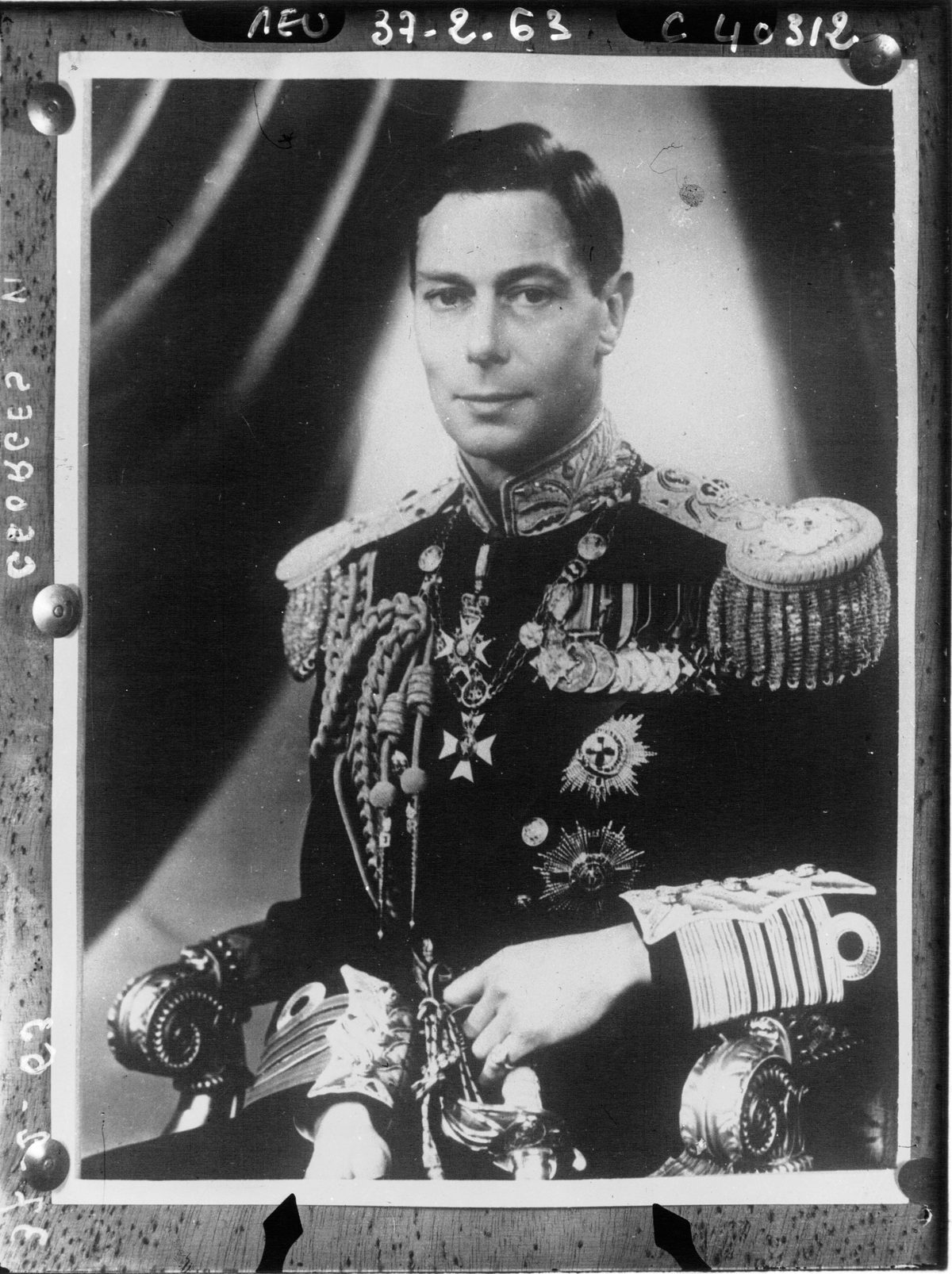
📷 Photo: Agence de presse Meurisse. Agence photographique (commanditaire). Public domain via Wikimedia Commons.