On the morning of October 21, 1966, the small Welsh village of Aberfan became the epicenter of an unimaginable tragedy. A devastating coal tip collapse buried Pantglas Junior School, extinguishing the bright promise of 116 young lives and leaving a scar on the community that history would not easily forget. Eight days later, Queen Elizabeth II, a sovereign known for her stoic composure, arrived in Aberfan. But on that day, beneath a grey, weeping sky, the Queen did something unexpected: she openly wept and, disregarding royal protocol, cradled the infant of a survivor. This poignant moment quietly transformed not only the Queen's public image but also forged a deeper connection between the monarchy and its people.
A Cold Morning in Aberfan
The Aberfan disaster unfolded in mere minutes, but its impact was felt immediately across the United Kingdom. In the days following the collapse, the royal family faced intense scrutiny as public anticipation grew over the nature of their response. Despite being renowned for their decorum and adherence to royal conventions, the monarchy knew it was witnessing an unprecedented outcry from its subjects.
When Queen Elizabeth II finally arrived in Aberfan, she came not just as a reigning monarch but as a mother. The grief surrounding the village was palpable, and the Queen's presence signaled a solemn acknowledgment of the tragedy. This visit, however, was different from her usual royal engagements, steeped in centuries-old traditions and unyielding formalities. The village's pain transcended protocol, drawing out an authenticity that was rarely seen from the royal family during that era.
The Queen's Regret
Reflecting on the Aberfan visit later in life, Queen Elizabeth II admitted it was one of her greatest regrets—waiting eight days to visit the grieving village seemed a nation of procrastination rather than empathy. The royal family, though bound by the need for logistical precision and security, faced criticism for the delay. It taught them the delicate balance needed in showing presence and leadership during moments of national calamity.
The Queen, known for her incredible sense of duty, was deeply touched by the tragedy. She had come into personal contact with individual human suffering on her soil in a manner that transcended titles and resonated profoundly on a human level. Her decision to hold a survivor’s child during her visit defied typical royal decorum, and in doing so, humanized the monarchy in a way that just words of comfort could not.
A Defining Royal Gesture
Surrounded by the desolate remnants of a shattered community, the Queen's unexpected act of cradling an infant was not merely about momentary compassion. For those who witnessed the event, it symbolized a powerful connection—a queen who felt the weight of every life lost, every heart broken. There were tears in her eyes as she comforted grieving parents and consoled other survivors. This remarkable show of emotion pierced through the formality usually associated with her role, reflecting the modern monarch that the United Kingdom needed.
The sight of the Queen holding a stranger's child, her eyes filled with sorrow, remains an iconic image of regal empathy. It signified not only her solidarity with the people of Aberfan but also established a new standard for royal compassion during crises. This expression of raw emotion underscored the personal connection she shared with her subjects, deepening her relationship with those she vowed to serve.
The Lasting Legacy of Aberfan
The visit profoundly affected the Queen and informed her approach to subsequent tragedies during her reign. Over time, the monarchy became more responsive to the emotional needs of its people, understanding that being present was more significant than royal protocol might dictate. Queen Elizabeth II's presence in Aberfan, her humility, and her visible grief became a turning point that paved the way for a more emotionally intelligent monarchy.
The Aberfan disaster had a long-lasting impact on the royal family’s approach toward national tragedies. It reshaped the ways in which they engaged with the public, striking a more empathetic note in the style of leadership. The Queen's personal and heartfelt response to such human suffering became a powerful testament to the monarchy's evolving role in modern society.
The Monarchy Today
The legacy of Queen Elizabeth II's response to the Aberfan disaster continues to influence the monarchy today, serving as a constant reminder of the power of human empathy across societal borders. This particular event remains a defining moment for an institution that continues to hold a revered place in the hearts of many across the globe.
Embracing the lessons of the past, today's royals remain committed to being unswervingly present with compassion and authenticity. As the world changes, they are often called upon to lead with a blend of tradition and genuine concern for their subjects' well-being. Queen Elizabeth II's meaningful act of cradling a stranger's child that morning in Aberfan teaches us—even today—that sometimes, the greatest show of strength lies in the simplest gestures of shared humanity.
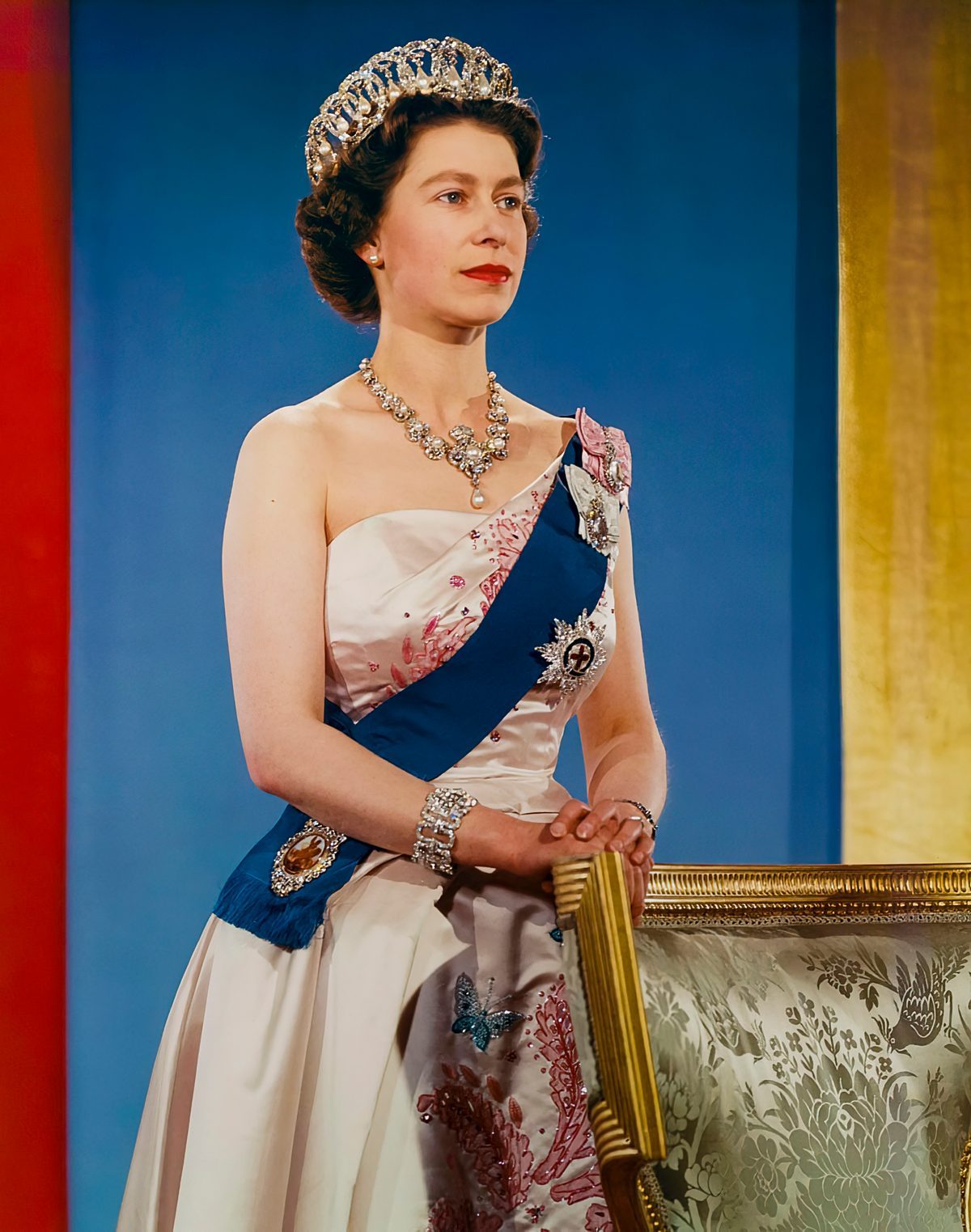
📷 Photo: Donald McKague. Public domain via Wikimedia Commons.