In the hushed corridors of a children's hospital in 1991, the young Prince William was already displaying the empathy and kindness that would become hallmarks of his public life. With no cameras or royal aides in sight, the nine-year-old prince embarked on a visit that would have a quiet yet lasting impact on him and those around him. Holding a colorful picture book in his hand, this visit was far from being a mere princely obligation or carefully choreographed appearance; it was borne out of a genuine desire to bring solace to ailing children. This singular act, unseen by the public eye, is a testament to the compassionate individual Prince William was destined to become.
The Quiet Influence of Princess Diana
To truly understand the significance of this moment, we must first consider the indelible influence of Diana, Princess of Wales, on her son. Known fondly as the "People's Princess," Diana was celebrated for her dedication to charitable work and her ability to connect with people from all walks of life. Her compassion and empathy were palpable in everything she did, whether hugging children affected by HIV/AIDS or tenderly engaging with the homeless. Diana instilled these values in her sons from a very young age.
Diana’s approach to raising Princes William and Harry was profoundly different from that of previous royal generations. She was determined to ground them in the real world, far beyond the gilded cage of royal palaces. Her efforts included spontaneous and discreet humanitarian activities, like bringing a young William to visit a children's ward.
Though there are no official records of that tender moment in 1991, it is known that Diana emphasized the importance of personal connection and the profound impact of even the smallest gestures of kindness. Little did the world know that one such unrecorded gesture by Prince William, guided by his mother's principles, would quietly weave a strand into the fabric of his future royal duties.
A Young Prince Making a Difference
The visit to the children's ward that day was special in many ways. Prince William did not come with a retinue of attendants or a press following to capture the "official" duties. Instead, it was just him, a young boy from a prominent royal family, stepping into a world where titles and status held little meaning. In the ward, amidst the soft hum of medical equipment, his presence meant far more than any official decree could relay.
Prince William settled onto a bed beside a small boy, whose weary eyes lit up at the sight of the vibrant illustrations on the pages of the book. With each page he turned, William read aloud, painting images in the air that transcended the sterile hospital room's confines. The small boy's eyes grew heavy, eventually closing, lulled to sleep by the calming sound of the young prince’s voice.
Perhaps what is most heartwarming is that William returned the following week, this time alone, driven not by obligation but by a genuine desire to once again offer a moment of normalcy and joy to the children. Such actions spoke volumes, showcasing a maturity and kindness that belied his age.
The Roots of Future Royal Duties
This early act of kindness is not just a touching story of childhood innocence; it reveals the foundational threads of Prince William's understanding of duty. The royal family's role is deeply intertwined with public service, an idea that must be embodied from a young age. For William, this experience was a preliminary step into his lifelong journey of empathy-driven service.
As the years passed, these qualities would translate into numerous charitable endeavors. Prince William has been actively involved in various philanthropic activities focusing on mental health, wildlife conservation, and supporting veterans. In each of these areas, the focus has consistently been on providing a voice to the unheard and support to those often forgotten.
The seeds sown in that hospital room have undeniably influenced his approach to leadership and duty. William’s ability to connect with people and his commitment to meaningful causes reflect the early lessons learned at Diana’s knee, showcasing the importance of personal motivation alongside traditional royal responsibility.
Connecting the Past to Today
Reflecting on these formative experiences of Prince William, we are reminded of the deep-rooted traditions of the British monarchy and its evolving role. Key to its enduring legacy is its ability to embrace change while holding firm to the values that cement it as a hallmark of unity and service.
Today, as the Duke of Cambridge and a father himself, Prince William continues to champion causes that align with his early experiences and values. In a world that often seems insular, the genuine connection he exhibits resonates with a global audience, echoing the heartfelt moments spent in a children's ward decades ago.
The story of a young prince reading to sick children reveals more than just a heartwarming anecdote; it showcases the depth of character that defines the modern monarchy. It is a reflection of where the royal family comes from, the personal stories that shape it, and the continued commitment to serve with empathy and kindness. And like ripples in a pond, such actions perpetuate hope and compassion, promising a legacy of service well into the future.
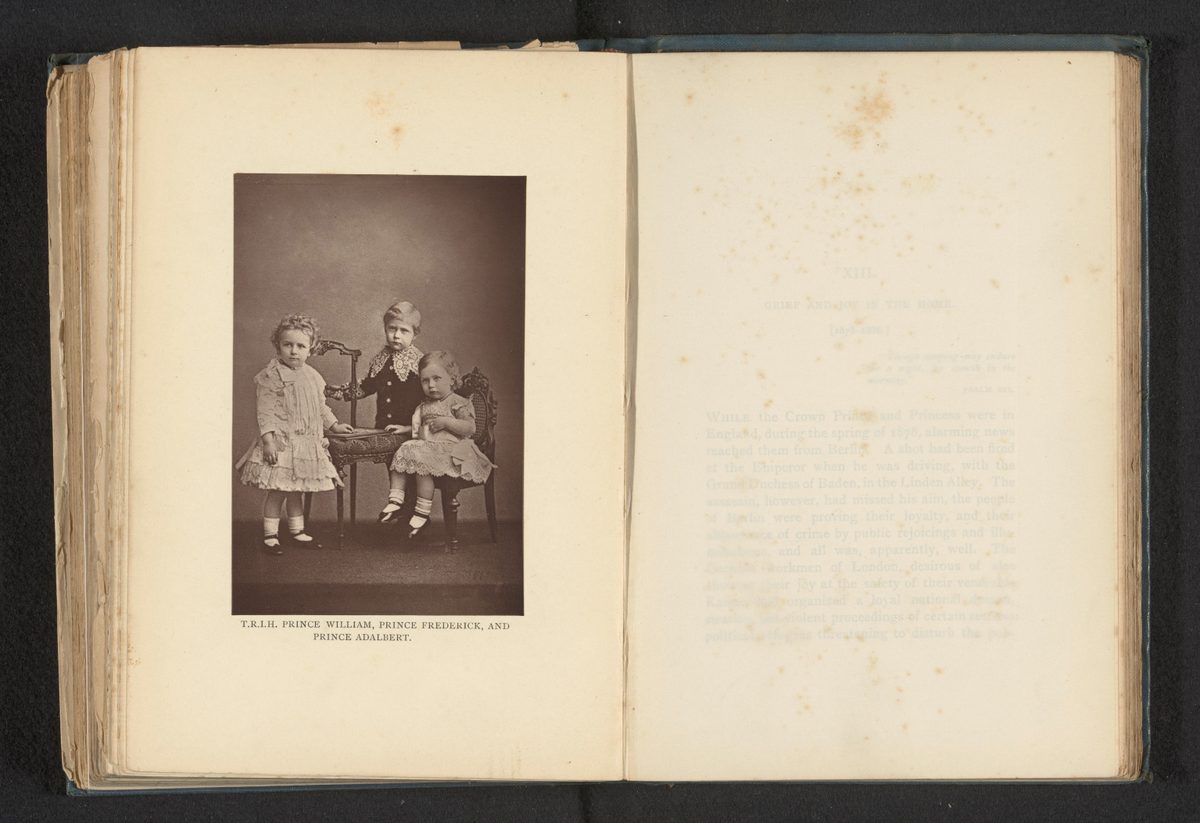
📷 Photo: Rijksmuseum. CC0 via Wikimedia Commons.