When millions of people around the world tuned in to witness the coronation of Queen Elizabeth II on June 2, 1953, they saw a young woman stepping resolutely into a role she had been preparing for all her life. The skies were overcast on that historic day, but inside Westminster Abbey, the occasion glimmered with grandeur and tradition. At the heart of this moment was a gown, an exquisite masterpiece that epitomized the beauty of heritage and hope — even as it provided a glimpse into the quiet resilience of the woman who wore it.
An Extraordinary Creation for a New Era
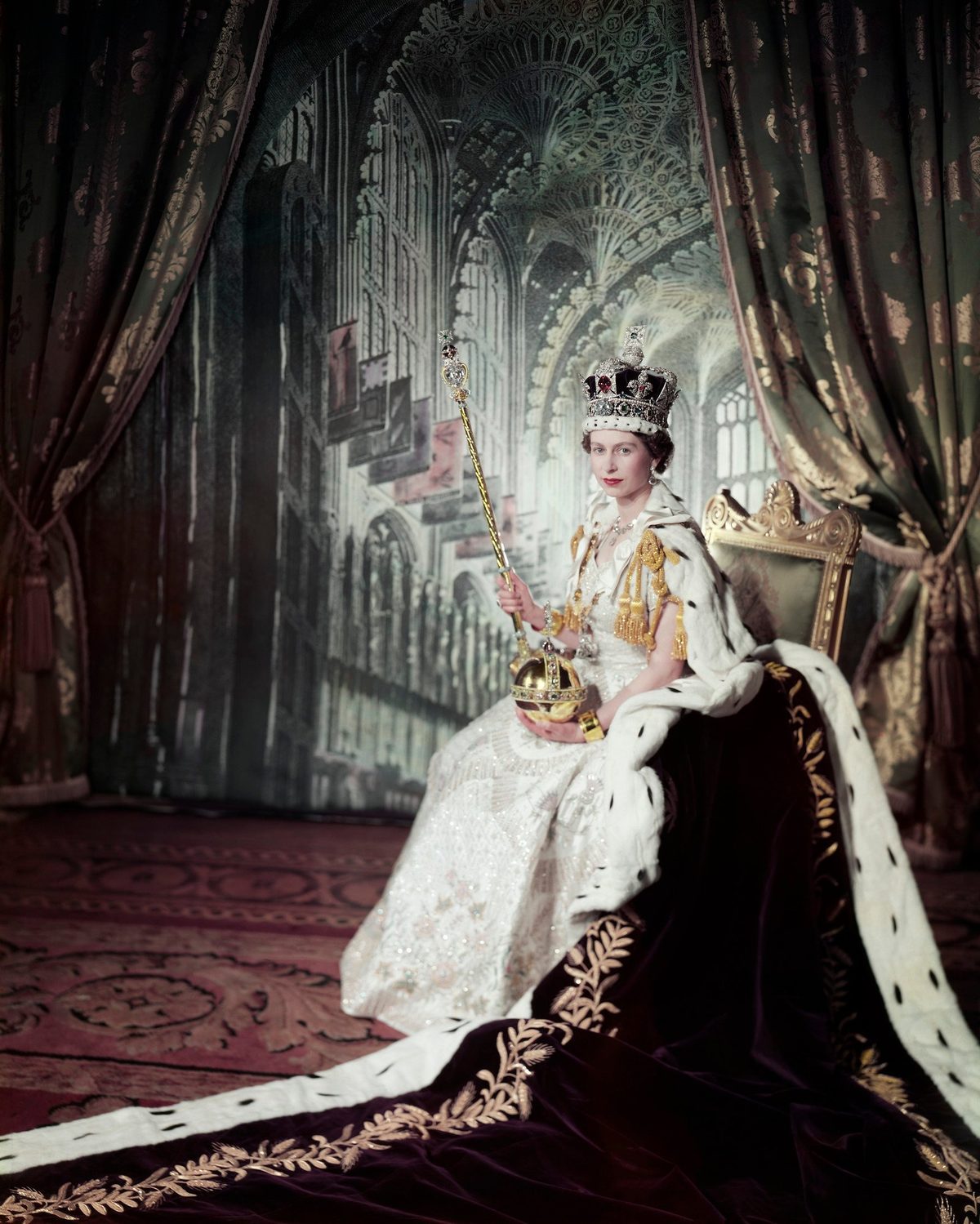
The Coronation gown was not merely a piece of clothing; it was a symbolic work of art created for the most consequential ceremony in the British monarchy. Designed by Norman Hartnell, the Queen's favorite couturier, the gown was a representation of ethereal grace, royal elegance, and national pride. Crafted from white satin, it was embellished with a breathtaking array of embroidery that required the hands of eight talented women who worked over the span of eight months, steeped in utmost secrecy, to bring it to life.
Hartnell's design was a celebration of the countries within the Commonwealth, delicately weaving rose, thistle, daffodil, and shamrock motifs into the fabric. All eyes were on this dress to symbolize unity and continuity, and indeed, the attention to detail vividly expressed a modern, forward-thinking monarchy. The gown was further adorned with pearls, crystals, and gold and silver thread, reflecting an otherworldly quality fit for a queen destined to preside over a new Elizabethan era.
The Morning of Destiny
Despite years of preparation for her Coronation, and the painstaking work put into the gown, the morning of June 2 presented an unexpected challenge. Joining an intricate web of fabric and history, a single bent hook threatened to derail the meticulously laid plans. Imagine standing before history’s gaze, prepared for the moment to define your legacy, only to find the embodiment of your nation’s hopes nearly compromised by an obstinate clasp.
Clothed in responsibility and poise, Queen Elizabeth II prepared to face her audience. It was the Mistress of the Robes, Mary Cavendish, Dowager Duchess of Devonshire, who hastily attended to the issue with nimble, steady hands. The moment was one that could have unstitched any lesser figure, but the Queen, unflinching and undeterred, waited for the wardrobe malfunction to be swiftly fixed. Her calm demeanor under pressure displayed an invincible spirit that would come to characterize her 70-year reign.
The Legacy of a Remarkable Gown
The Coronation gown was worn not once, but twice. After the ceremony, Queen Elizabeth II wore it again at the opening of the parliaments in both New Zealand and Australia during her Commonwealth tour in 1954. This repetition was not simply about practicality, but a deliberate continuation of themes of unity and optimism central to her rule. By donning the gown again, the Queen reinforced her commitment to every nation within her realm and showcased a blend of continuity and respect for tradition.
Yet it wasn’t just the beauty of the gown that captured public imagination, but the story woven into its very fabric — of a young queen standing firm, ready to lead, in the face of challenges both great and small. It is this narrative that continues to endear the gown to royal watchers and historians alike, symbolizing the durable spirit of the monarchy and the elegance and fortitude of its wearer.
A Lasting Symbol for the Future
As we look back, the Coronation gown of Queen Elizabeth II stands not just as an artifact of commemorative grandeur, but also as a testament to resilience and determination. It bridges the past with the future, connecting captivating moments in royal history with the enchanting promises of what’s to come. The gown remains on display at the Queen’s Gallery in Buckingham Palace, allowing admirers to connect with a unique piece of history that speaks to the unwavering spirit of a beloved Queen.
In a changing world where monarchs must find ways to stay relevant, the Crown’s most enduring asset is perhaps not its jewels or its castles, but its stories. True to her motto of “never complain, never explain,” Queen Elizabeth II’s reaction to the gown’s near-mishap demonstrated a regal grace that resonated deeply with people across the world. It is these small glimpses into the humanity of royalty that continue to endear the monarchy to its admirers, breathing vitality into an ancient institution. In the elegance of that Coronation gown, one finds both the weight of history and the lightness of hope, seamlessly stitched into a legacy that illuminates, even today.
📷 Photo: Cecil Beaton. Public domain via Wikimedia Commons.