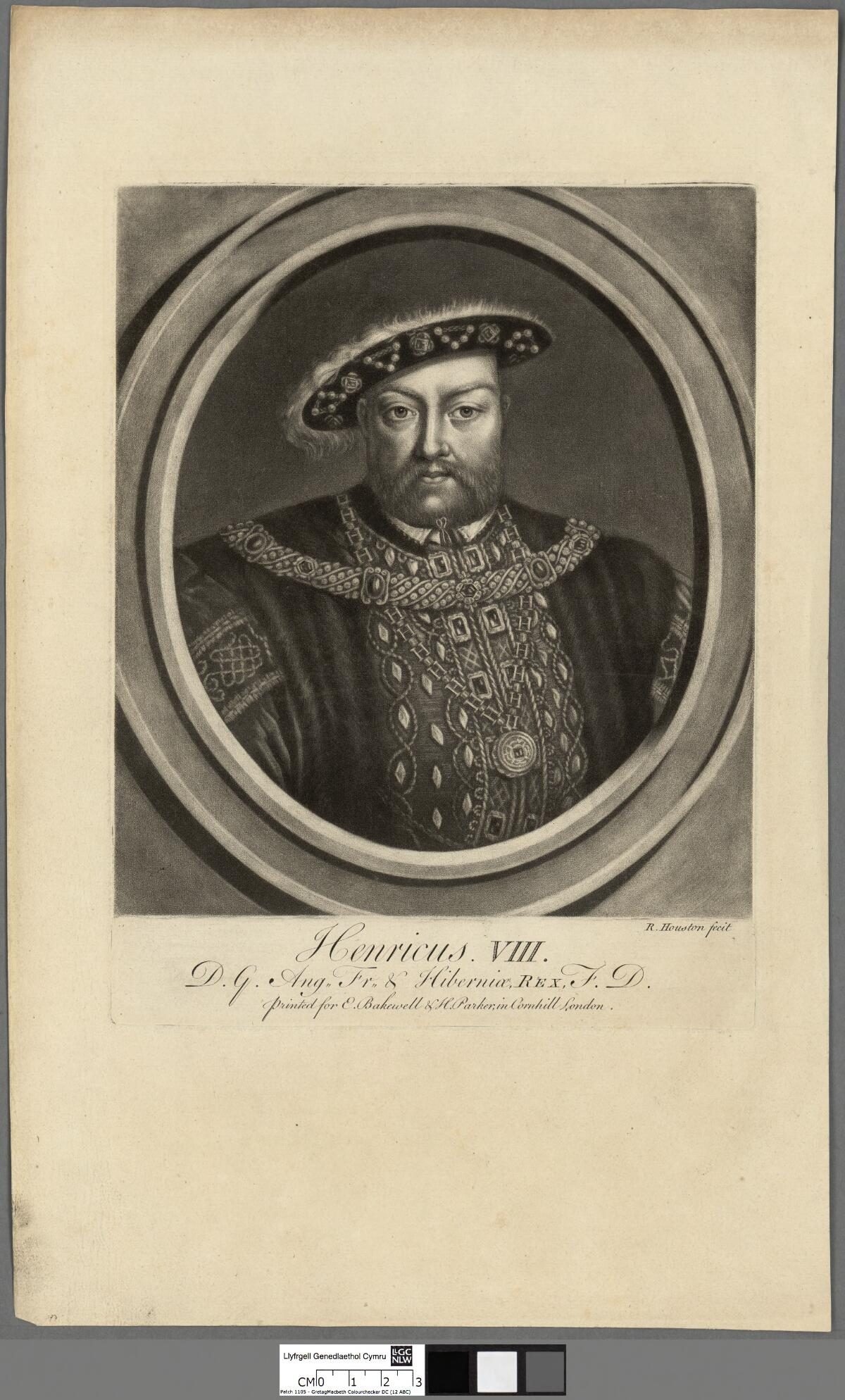
Before the executions. Before the break with Rome. Before the world knew his name as a tyrant's name. There was a young king who sat at a keyboard and wrote music that made his court weep with joy. Henry VIII composed dozens of pieces. One has never been forgotten. "Pastime With Good Company," a composition by King Henry VIII himself, survives as a testament to a monarch many forget to remember as an artist and lover of the finer joys of life.
The Early Morning Inspiration
It was dawn in the early 1520s—a time when the Tudor court was still alight with the promise of renewal and splendor following the Wars of the Roses. As the mists rolled off the Thames and the first rays of sunshine broke the darkness, the young King Henry VIII was more than just a monarch; he was a renaissance prince, a learned man with a profound passion for music, hunting, and romance. At just eighteen, he had already been on the throne for over a decade, blossoming from the athletic, ambitious, and vital young ruler to a towering figure in European politics.
One morning, in the quiet solitude of the palace before the hustle and bustle began, Henry set quill to parchment. It was a time to reflect on the pastimes that brought joy to his life and, in particular, the harmonious marriage to his first wife, Catherine of Aragon. In those early hours, he composed "Pastime With Good Company," a buoyant, lively musical piece that celebrates the pleasures of fellowship, dance, and delightful company.
This work was crafted not as a battle hymn or a political manifesto but as a joyful tribute to leisure and camaraderie. Music historians suggest that this piece was one of Henry's favorites, performed often at the countless banquets and festivities that defined his court.
The Musical Monarch
Henry VIII is often remembered for his strategic marriages and severe policies, but beneath the crown lay an artist’s heart. His love of music was no mere royal affectation—it was a passion that shaped his reign and left an indelible mark on the culture of his era. A skilled musician, he was proficient in playing the lute, organ, and harpsichord, and this virtuosity was echoed through the soundscapes of the Tudor court.
At a time when music was an essential element of court life, Henry VIII and his distinguished Chapel Royal were at the vanguard of the Renaissance movement in England. The court at Greenwich and Hampton Court became vibrant centers of musical innovation as Henry nurtured and inspired composers, singers, and instrumentalists. "Pastime With Good Company" reflects this cultural flowering—mixing both the sacred and the secular, much like the man himself.
The song is a madrigal, a type of secular vocal music composition that was especially popular during the Renaissance. Rendered in parts for multiple voices, its lively tempo and engaging melody made it suitable for encouraging participation and enjoyment at court celebrations. Its lyrics joyously herald the delights of the king's less formal gatherings, promoting mirth and good fellowship.
Life and Love in Tudor England
Henry’s reign, especially in its early years, was characterized by a genuine love for pageantry and public splendor. The young king invested significant resources in grand displays that would not only entertain the court but also communicate power and sophistication to European nobility. Lavish balls, tournaments, and feasting were commonplace, offering ample opportunity for performances of "Pastime With Good Company," where its themes of joy and companionship resonated deeply with attendees.
The song itself stands as a window into Henry's own values and tastes. It was not uncommon for the king to perform with his courtiers, taking pleasure in being one among his beloved companions. Such gatherings were moments in which Henry could temporarily shed the burdens of kingship and reconnect with the human elements of emotion and expression.
Beneath the grand architecture of his reign was a palpable reverence for these intimate moments. While politics and power circled him like so many predatory hawks, the young king cherished instances of genuine tenderness and freedom.
The Legacy of "Pastime With Good Company"
In the centuries that followed Henry VIII’s death, many of his legacies became overshadowed by his tumultuous marriages, famously described by the rhyme "divorced, beheaded, died; divorced, beheaded, survived." The music he loved, however, arguably became the sweet undercurrent to his historical portrayal. "Pastime With Good Company" stands as a testament to a king not solely defined by his conflicts and resolves but also by echoing the harmonious notes of a more innocent past.
Today, the piece is a captivating relic of a life led with gusto for all the pleasures it offered. As modern audiences gather to hear the song performed, often at concerts dedicated to the music of the Tudor era, they are transported back to a time when a young king found solace and delight in the arts. The song has become emblematic of a culture that celebrated life and the joy of human connection, themes that endure with timeless relevance.
Continuing the Royal Musical Tradition
The legacy of Henry VIII's musical talent is one that continues within the British monarchy today. Concerts held in royal palaces often feature music from this vibrant era, reminding us of the enduring power of the arts in bridging past and present. It is a fitting testament to a monarchy that does not rest solely on history books but pulsates with living traditions and cultural enrichment.
As we reflect on Henry VIII's love song to life itself, we are reminded that even in the annals of monarchy, where power and politics often reign supreme, there is always room for personal expression and artistic endeavor. It underscores the notion that, despite the complexities of public persona, kings and queens, like us, yearn for the simple yet profound pleasures of good company and heartfelt music.
📷 Photo: Richard Houston. Public domain via Wikimedia Commons.