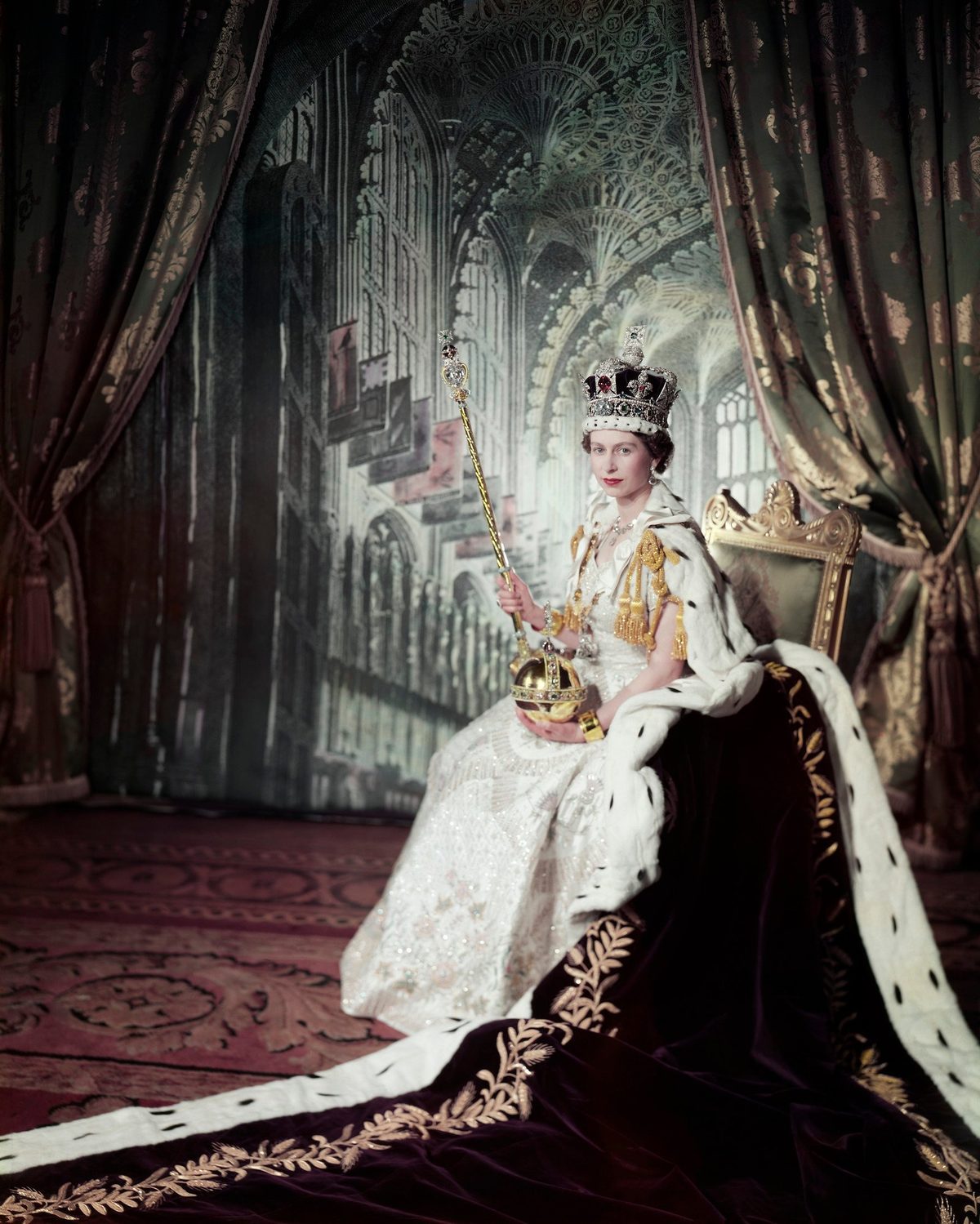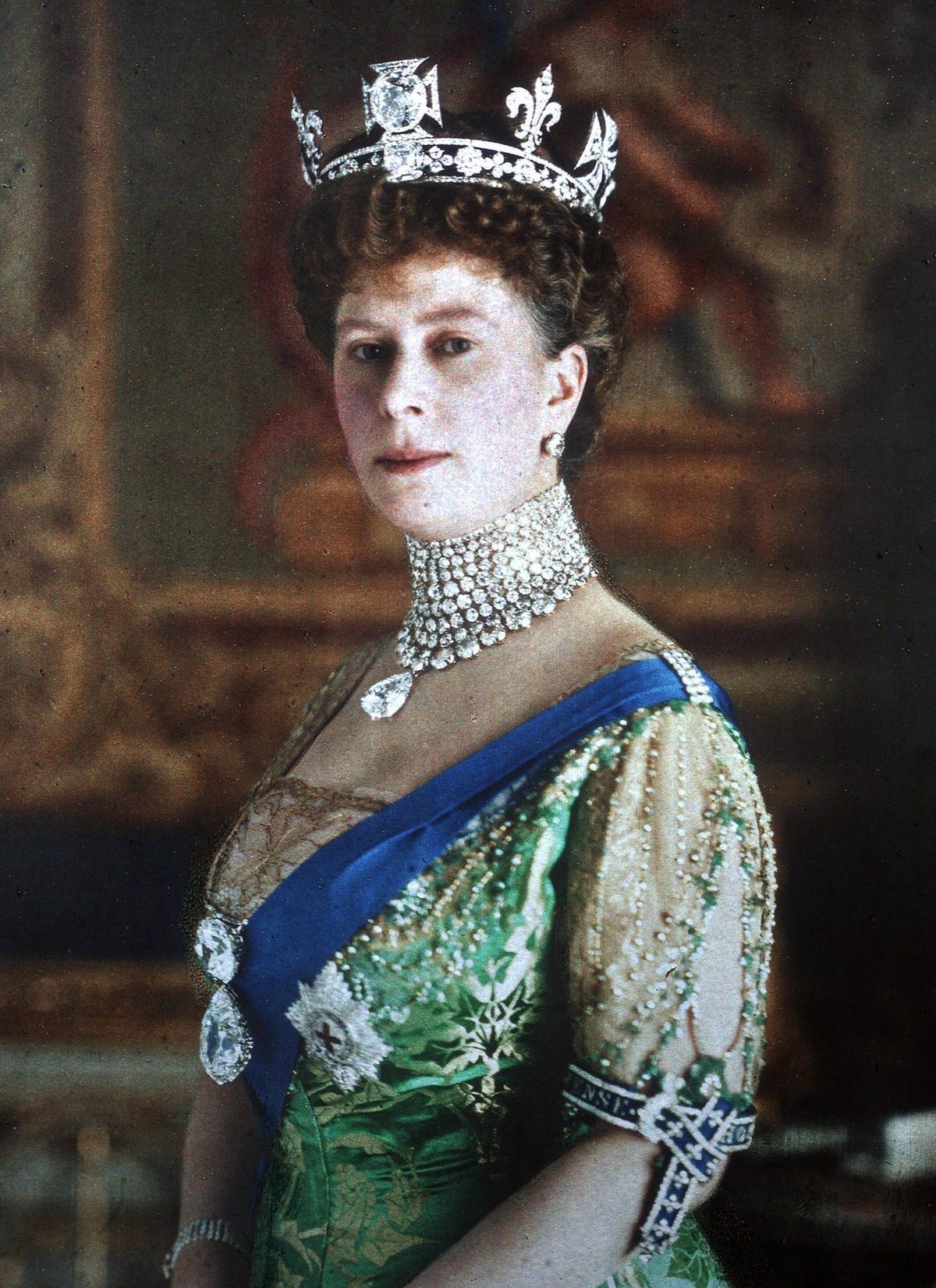
The grandeur of coronation ceremonies has ever been an integral facet of British monarchical tradition, drawing awe-struck spectators from around the globe. Yet, beneath the shimmering golds and silks, the real stories unfold—tales of quiet resilience and unwavering duty. Queen Mary, poised to crown her place in history during the opulent coronation ceremony of 1911, epitomized such graceful endurance. In a hush-hued secret kept for years, it is said that Mary of Teck's exquisite coronation shoes were two sizes too small—a minor misstep that could easily trip the pageantry. But with unyielding poise, she stood unwavering for six hours, embodying a queen’s fortitude against an innocuous sartorial foe.
Walking the Path to the Throne in Style
Queen Mary, consort to King George V, was a paragon of Edwardian elegance. Her fashion choices wove a narrative of sophistication and understated regality, capturing the collective imagination of an empire on the brink of modernity. The coronation ceremony in Westminster Abbey on a balmy June day in 1911 was no exception. It encapsulated the meticulous traditional flourishes and lush sartorial spectacles typical of the British monarchy.
Her gown, intricately embroidered with the symbolic motifs of the empire, took artisans months to perfect, serving as a testament to the meticulous attention given to every inch of the ceremony. It was a marvel of intricate florals and golden thread, a wearable tapestry recounting the glories of the British Isles. Yet, unbeknownst to the tens of thousands present and the millions glued to the description in newspapers, her shoes—a delicate pair of silk flats—added an unexpected note of personal endurance to the ceremony.
The Silent Misstep of Regal Fashion
Royal garments and accoutrements are labored over with near-religious reverence. Every hem, jewel, and shoe buckle is perched at precise calibrations, intended to ensure seamless perfection. The making of Queen Mary's coronation ensemble involved the era's finest tailors, jewelers, and cobblers. However, amidst the hustle of creation, her shoes were crafted two sizes too small. Not a squeak of this oversight reached public ears on the fateful day; for Queen Mary, it seems, no detail was too trivial to overshadow her solemn duty.
"In the theatre of monarchy, each player assumes their role with a perspective that bridges both solemn tradition and personal sacrifice. Queen Mary, it seemed, understood this melodrama better than any." — John Leicester
Ever composed, the queen did not let slip the slightest grimace or wince. Perhaps, this regal stoicism stemmed from her Victorian upbringing or a profound sense of duty imbued through years of preparation for her role as a central figure within the empire. As the world watched, Queen Mary fulfilled one of the most visually symbolic roles, demonstrating that true elegance transcends comfort.
An Empire's Heartbeat: The Royal Court in 1911
The coronation of 1911 wasn't merely Mary's crowning moment; it was an extravagant celebration stitching the very fabric of society, reflecting a world steeped in hierarchies and traditions. The British Empire, in its Edwardian zenith, overshadowed by none, extended from Africa to Asia, the Caribbean to the Pacific. The coronation was a showcase of imperial unity and power but also a time of deep introspection as nations gathered under one crown.
The Windsor court was a bustling microcosm of the empire. Bespeckling the halls were duchesses and diplomats, all entranced by the epoch's zenith of style and ambition. As King George V and Queen Mary ascended the throne, they did so not just as figures of governance, but as living embodiments of continuity and duty in an era threatened by rapid social and political change.
The Footnote of Fashion That Remained Unseen
What seems to have spotlighted Queen Mary's understated majesty during the marathon ceremony wasn't merely her exuberant regalia, but the quiet fortitude in the face of hidden discomfort—a whisper in the grand tale of monarchy. It was not until years later that the ill-fitting shoes became a footnote—both prescient and poignant—speaking volumes of duty borne without complaint.
Her ability to shoulder the day’s burdens gracefully was chronicled as emblematic of the inherent strength expected—and possessed—by those who wear the crown. While many could relate to the idea of grinning and bearing it, few could emulate such determination on the world's stage, symbolic or otherwise.
The Lasting Elegance of a Resilient Sovereign
Queen Mary's story of silent hardship at her coronation is a remarkable example not just of her resolve and poise, but also of the monarchy's capacity to adapt and enchant in equal measure. Her quiet discretion and stoic endurance echo through the ages, underpinning the monarchy's steadfast magnetism.
While our modern sensibilities might demand comfort alongside style, Queen Mary's tale calls upon a different perspective, that of victory sketching itself onto the tapestry of history through acts of invisible but profound endurance. As the pageantry today blends more closely with public expectation and spectacle, the grounding principle of duty, steadfast and unspoken as Queen Mary displayed, remains an indelible part of the monarchy's cherished narrative.
The kingdom may stretch in influence and appearance, but the beating heart of the British monarchy lies in stories such as these, where elegance meets endurance, carving a royal path that continues to resonate with sublime grace through generations.
📷 Photo: Jean Desboutin. Public domain via Wikimedia Commons.