In a world draped in tradition and expectation, where royal attire often consisted of timeless elegance and the air carried the weight of history, Princess Elizabeth Windsor once donned something quite unexpected: a pair of overalls. The year was 1945, and the Second World War was drawing to a close. Yet amidst the turmoil and the transition toward peace, a young princess was defiantly determined to make her mark, not with pomp and circumstance, but with hard work and grime. Across the regal lawns of Britain, beneath the rich tapestry of monarchy, Elizabeth was setting a new precedent—one that spoke more of practicality and purpose than privilege. She wasn't merely watching from her gilded perch, she was rolling up her sleeves to fix a military truck, a moment that became a pivotal chapter in the tapestry of royal history.
Joining the Ranks
As the world grappled with the ravages of war, young Princess Elizabeth felt a ardent desire to contribute to the wartime effort in a meaningful way. Her path into the Auxiliary Territorial Service (ATS) wasn't paved with the easy privilege one might expect for a member of the Royal Family. In fact, it was her insistence on joining the ranks that signaled her commitment to serve alongside her fellow countrywomen. In 1945, amid the fray and uncertainty, Elizabeth became the first female member of the British Royal Family to join the armed forces formally.
At just 18 years old, Elizabeth embarked on a journey that was as much a personal transformation as it was a public declaration. She entered the ATS not as a ceremonial figurehead, but as a determined member, eager to learn and to serve. She enrolled in a driving and vehicle maintenance course and took on the duties of a mechanic and military truck driver. In the confines of a mechanical workshop far removed from royal saloons, she learned to dismantle, repair, and reassemble engines, her dexterous fingers trading scepters and scrolls for wrenches and oil pans.
A Hands-On Historical Milestone
The image of a princess clad in overalls, her hands smudged with the evidence of her labor, was in stark contrast to the regal narratives that framed her public persona. It was an emblem of humility and dedication, one that wasn't orchestrated for the cameras or dramatically posed for publicity. In truth, there were no official photographers trailing her every move. The visual record we have today reflects a candid and earnest young woman, fully engaged in her chosen duties.
This breaking from tradition signaled more than just a shift in attire—it was a moment of profound significance for the Royal Family and for the nation's perception of royalty. Elizabeth wasn't standing idly by, basking under the shadow of the throne; she was proving her worth and capability on her own terms. Her service became a symbol of shared endeavor during a time when unity and collective effort were paramount.
Life Among the Ranks
The narrative of these days past reveals not only a princess's burgeoning role but also the camaraderie and life she shared with her fellow ATS members. Far from the structured routine of royal engagements, Elizabeth's time spent in the military was characterized by the daily grind and camaraderie inherent to group service. She lived communally, ate plain rations, and indulged in the same boisterous banter and solidarity that bind servicemen and women worldwide.
Encounters with engine grease and tools may seem mundane, but for Elizabeth, they were transformative. They provided perspective and grounding—a taste of a world beyond palace walls. Her experience in the ATS offered insight into the lives of those she would later preside over as queen, deepening her understanding and empathy as a leader.
The princess's decision wasn't about politicking; it was a genuine desire to contribute meaningfully, to bridge the gap between sovereign and subject in ways that were hands-on and empowering. Inspiration rippled across the kingdom as this vivid image of royal service demonstrated the monarchy's enduring connection to the people and their struggles.
Legacy of Service and Duty
As decades came and went, this unexpected chapter of royal history continues to resonate. Princess Elizabeth's service in the Auxiliary Territorial Service was a formative period that shaped her approach to her future as Queen Elizabeth II. Her legacy would be one of unwavering service and steadfastness, a beacon of continuity through eras of sweeping change across the world.
This chapter in Elizabeth's life was not about rewriting the roles of royalty but about redefining them to include gritty determination and perseverance. The war ended within months of Elizabeth leaving the ATS, but the seeds sown in those workshops of learning and teamwork blossomed into a reign characterized by duty, compassion, and an unyielding sense of responsibility.
As we look to the monarchies of today, though they often remain synonymous with tradition and symbolism, Elizabeth's legacy of committed and humble service survives. Her granddaughter, Princess Charlotte, may never need to slide under a car, but the ethos of purpose and dedication Elizabeth embodied remains a guiding light. The service in olive-drab overalls of 1945 remains a testament to the unity and resilience that define both the Royal Family and the nation it serves.
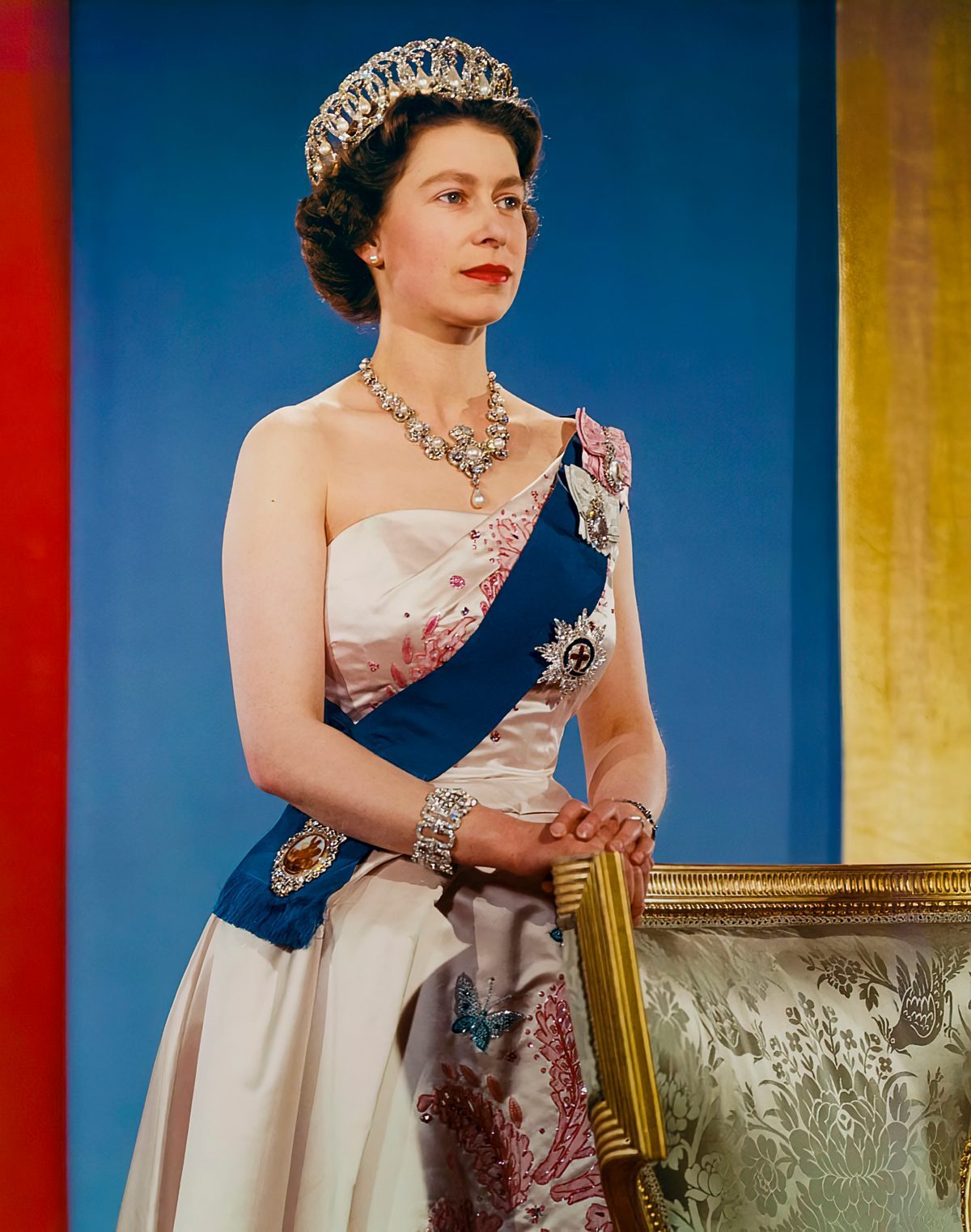
📷 Photo: Donald McKague. Public domain via Wikimedia Commons.