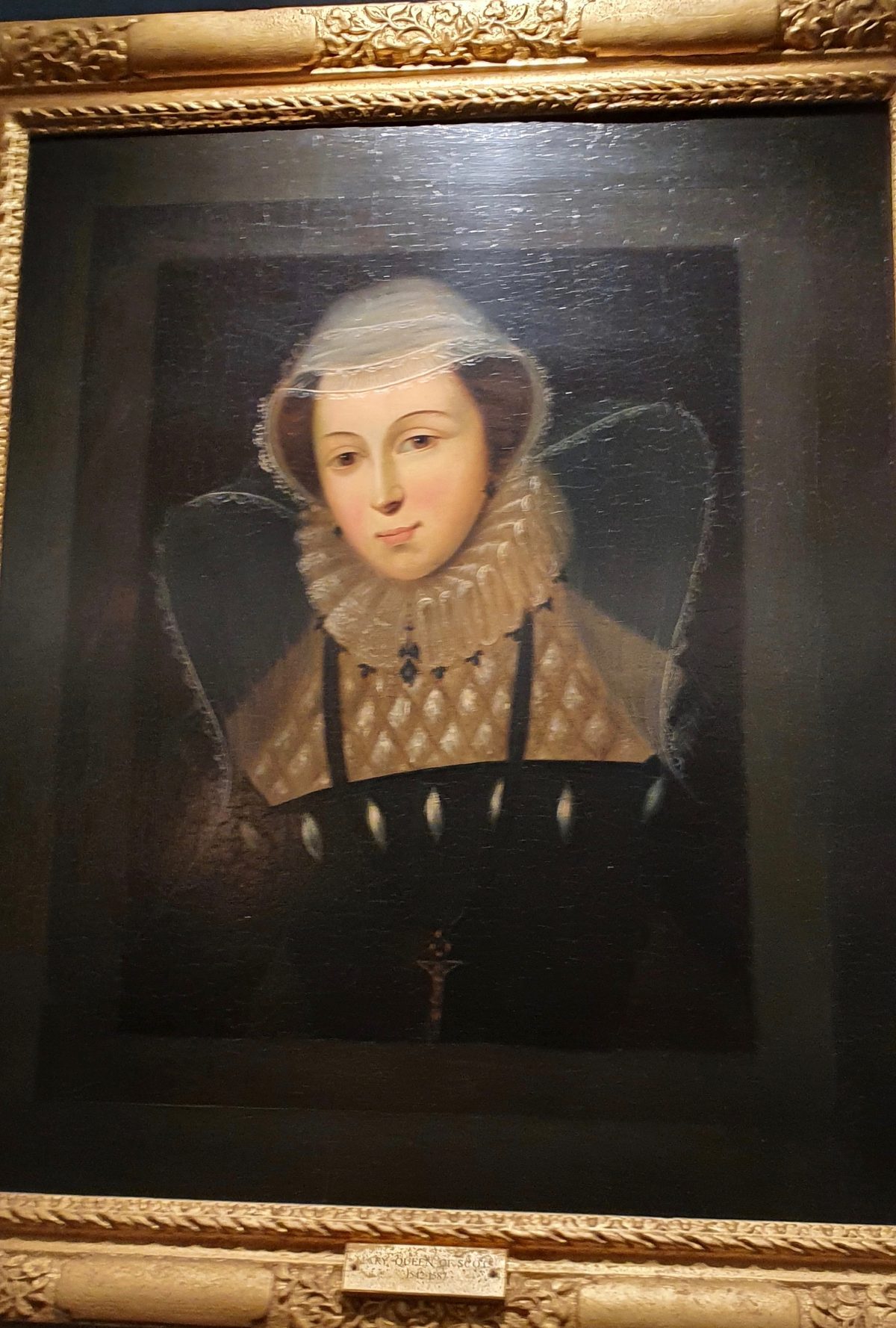
On a cold February night in 1587, in the shadowed quietude of England’s Fotheringhay Castle, one of the most intriguing figures of the 16th century faced her final hours with a grace that speaks volumes even today. Mary Queen of Scots, a woman of royal blood and tragic destiny, sat at her writing desk and penned a letter to King Henry III of France. This was not a desperate appeal for clemency nor a bitter accusation against her captors; it was a testament of a queen determined to meet her end with dignity and resolve. Within the folds of this letter lies a poignant narrative etched into the annals of royal history — an enduring symbol of regal strength and noble composure in the face of mortality.
The Context of Her Final Days
Mary Stuart, once Queen of both France and Scotland, lived a life embroidered with aspirations and upheavals. Her final imprisonment began when she sought protection from her cousin, Queen Elizabeth I of England, after an unsuccessful reign in Scotland. Though she was held in various castles, her final place of confinement was Fotheringhay, a site now lost to time but rich with historical significance. Here, the weight of political and religious discord sealed Mary's fate, culminating in her trial and sentencing for alleged involvement in plots against Elizabeth.
As the fateful day of February 8, 1587, approached, Mary prepared herself spiritually and materially. Her days, marked by prayer and quiet reflection, were a testament to her profound Catholic faith. It was during this serene yet solemn vigil that she composed her letter to the French monarch, a man who had once been her young brother-in-law during her brief time as Queen Consort of France.
The Letter to King Henry III
The letter Mary wrote was addressed to a king who had witnessed her brilliance in the glittering courts of France. Henry III, with his own turbulent rule, was a kindred spirit in the ever-shifting landscape of European politics. Mary's words to him were an exercise in graceful goodbye — neither recrimination nor pleading marred her message. Instead, she carefully laid out requests for the distribution of her few remaining belongings and the care of her loyal servants, displaying a concern for others that transcended her own dire situation.
"Tonight, after evening prayers, I will be led to my death," she informed him candidly, demonstrating her acceptance and serene acknowledgment of her impending fate. This remarkable calmness speaks not only to Mary's inherent strength but to a lifetime conditioned by the trials of regal duty and personal resilience.
Throughout the letter, Mary’s commitment to her faith shimmered through, urging Henry to uphold Catholicism with the same devotion that had sustained her through years of struggle across kingdoms. Her plea was not for herself but for a ideal that had shaped her life's journey.
Life and Legacy of Mary Queen of Scots
Mary's story is woven not only with the threads of royalty but with the vivid hues of love, ambition, and misfortune. Crowned Queen of Scots when merely an infant, her life was dappled with the responsibilities of leadership. Her marriage to Francis II brought her into the luminous sphere of the French court, but widowhood returned her to a tempestuous Scotland, embroiled in religious reforms and dynastic struggles.
Her singular charisma and intelligence were undeniable, yet her choices often led her into political entanglements beyond her control. Mary's unwavering Catholicism left her vulnerable among Protestant factions, and her marriages, particularly to the volatile Henry Stuart, Lord Darnley, ignited controversies. Her subsequent marriage to James Hepburn, Earl of Bothwell — regarded as opportunistic by some contemporaries — marked a bitter chapter leading to her abdication.
Mary's legacy, however, is not trapped within the confines of political failures; rather, she stands as a symbol of personal endurance and the human spirit's capacity to maintain dignity against the tide of adversity.
Mary's Final Stand and the Echoes Through Time
February 1587 marked more than the end of an exiled queen; it was a moment that rippled through the fabric of history, carried forward by the same determination that colored her letter to Henry III. Her execution, carried out with restrained ceremony, was attended by witnesses who recorded the grace and courage with which she met her fate. Clad in the resplendent red of martyrdom, she was every inch the queen as she laid her head upon the block, a tragic figure but dignified nonetheless.
This poignant event has inspired countless depictions in literature and art, each striving to capture the complexity of the woman who was Mary Queen of Scots. Her life, legacy, and last words are reminders of the turbulent landscape of monarchy and the unyielding strength found in heritage and belief.
The Enduring Appeal of Regal Composure
In the world of royal history, Mary's letter remains a profound testament to the enduring power of personal grace amidst political turmoil. While the 21st century presents different challenges and sensibilities, the ability to face life's adversities with dignity is as relevant today as it was for Mary in those final hours at Fotheringhay.
Her story, captured in that final letter, offers a timeless lesson: though circumstances may confine us, the courage with which we face them defines us. Mary Queen of Scots continues to mesmerize and remind us that beyond the pomp and pageantry of royalty lies the indomitable spirit of human dignity — an idea as compelling now as it was then, and ever worthy of our admiration and reflection.
📷 Photo: Yair Haklai. CC BY-SA 4.0 via Wikimedia Commons.