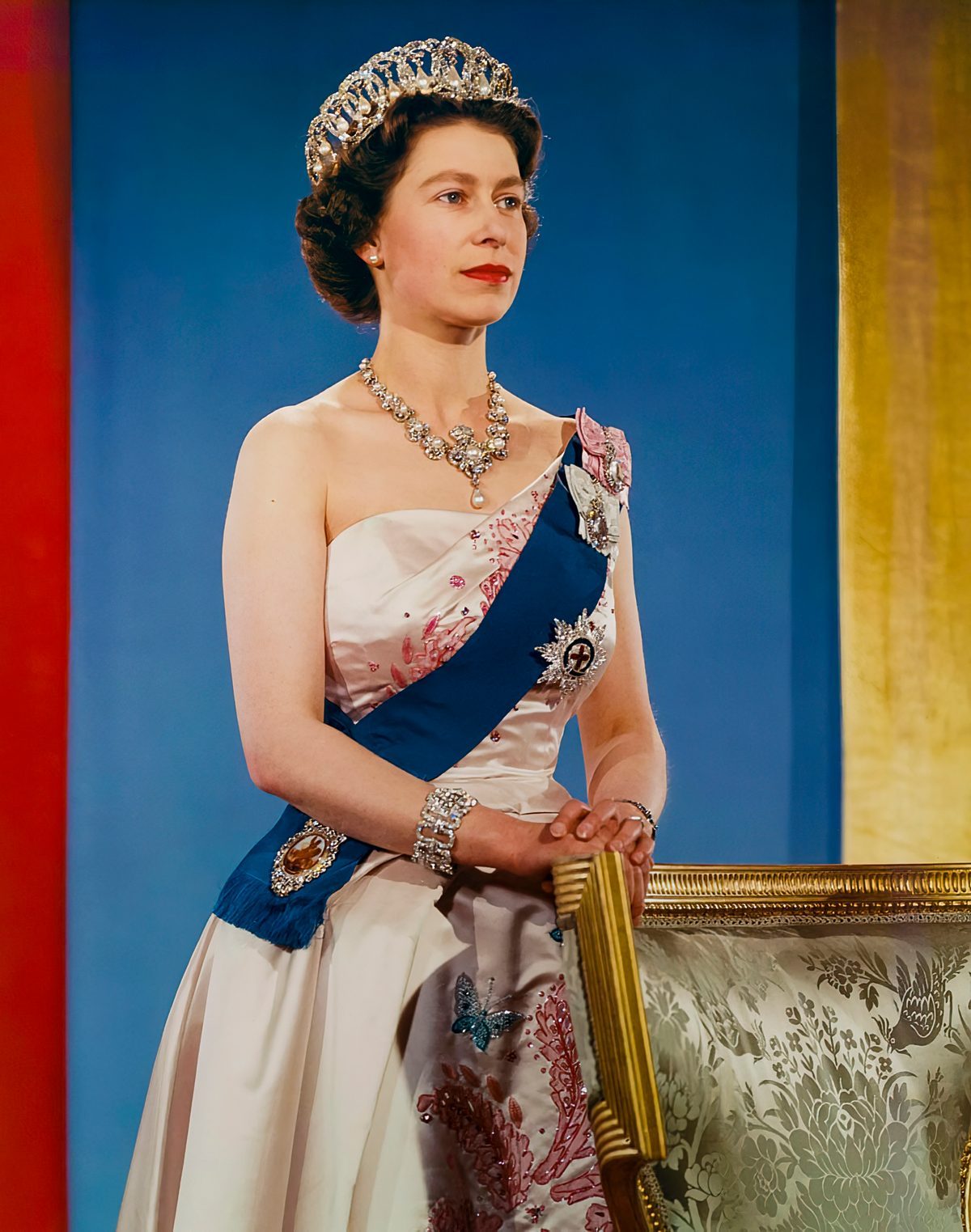
She stepped out into the crisp, enveloping air of Westminster on a momentous day in 1953, her handbag soft and familiar against her side, serving as both a constant companion and a guardian of secrets. Queen Elizabeth II, at just 25 years old, was poised to embrace history and destiny. Yet, she paused to reach into her handbag not for a token of vanity, but for a touchstone of love—a letter that journeyed with her from the warmth of a father's affection to the grandeur of a crown.
A Royal Transition: Embracing the Crown at 25
It was February 6, 1952, when Princess Elizabeth ascended to the throne, her father, King George VI, having passed away peacefully in his sleep. The young princess was on tour in Kenya with her husband, Prince Philip, when the life-altering telegram was received. She was now Queen Elizabeth II. At 25, she joined the ranks of young sovereigns in British history, with a storied lineage behind her and a future yet unwritten in her command. In this age of transition, her personal world collided with the weighty demands of sovereignty, a juxtaposition emblematic of the monarchy itself.
What lay ahead were not just years crowned in ceremonial regalia, but also in moments of personal fortification and solace; none more poignant than the memory held within the folds of her handbag.
The Letter: A Father's Love and Legacy
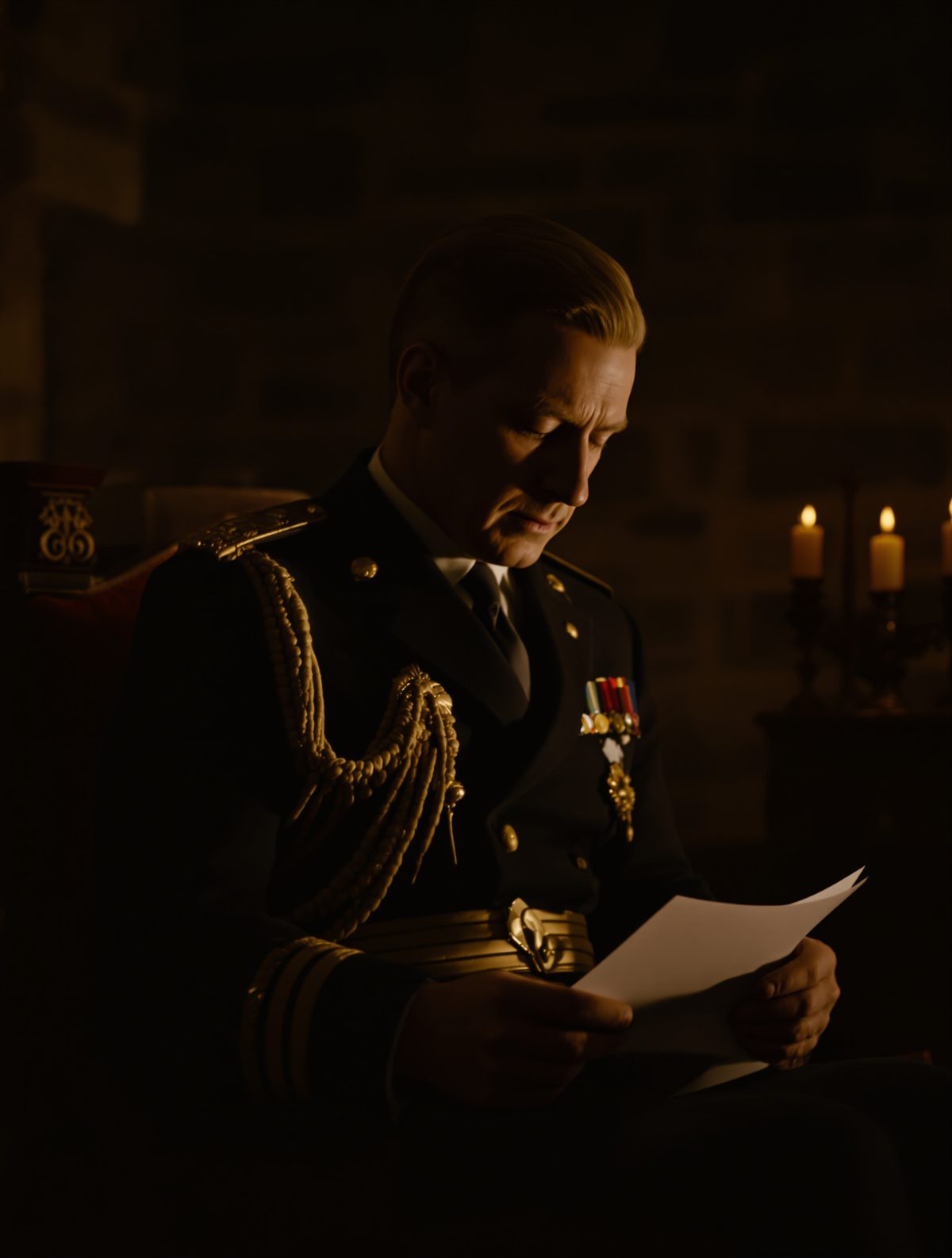
In an era steeped in tradition and duty, the royal court was vibrant with the hum of anticipation and solemnity as preparations for her coronation at Westminster Abbey unfolded. Amid the relics of an ancient institution, the Queen carried a small, intimate piece of her past—a handwritten letter from her father, penned on the eve of her coronation.
While the exact content of the letter remains a cherished secret, insiders speculated it was imbued with both paternal pride and practical wisdom. King George VI, known for his quiet strength and determination, likely imparted guidance that balanced tenderness with the reverence for duty, a missive both personal and profound. The act of carrying this letter was a ritual of intimacy amidst the ceremonial grandeur, connecting a beloved daughter to the father she couldn’t leave behind, even as she strode into history.
The Handbag: An Icon With Hidden Depths
The Queen’s handbag became a symbol over the decades, more than just an accessory. It spoke of her consistency and readiness, embodying her steadfastness in the face of shifting times. Always with her on public engagements, this emblematic item provided a private area amidst public existence. Within its confines were modest essentials: lipstick, a small compact, occasionally a handkerchief. But the letter was a mainstay, a sacred artifact amidst the practical necessities of royal life.
Stories of her handbag being used as a discreet communication tool with her aides—subtly placed on the table to signal a desire to leave an event—add a layer of intrigue to its legacy. Its contents, though often routine, held significance known only to the Queen, a personal fortress in fabric.
The Coronation: Rituals and Resilience
Westminster Abbey, with its echoing columns and storied past, served as the stage for the Queen’s transformation from sovereign-in-title to anointed monarch. On June 2, 1953, the Abbey brimmed with dignitaries, all eyes trained on the young monarch whose life had already shifted like the tectonic plates beneath The Mall—seismic and profound.
The coronation reflected an ancient ritual dating back centuries, blending the sacred with the supreme, the private vow with public spectacle. Here was a ceremony that elevated monarchy while rooting it in divine grace. And through it all, the letter sat within reach, a quiet anchor for the woman beneath the crown, knitting past to present, empowering a heart assailed by the twin tides of heritage and duty.
A Yearning Echoed Through Time
The relationship between father and daughter remains a steadfast element of the human experience, transcending monarchy to resonate with all who have ever felt the tug of familial bonds. Queen Elizabeth II’s experience, shielded by the majesty of royalty, reminds us of the universality of love and grief—experiences that bind the exceptional and the everyday in shared humanity.
Legacy of a Lifetime: Monarch and Family Matriarch
Through decades, Queen Elizabeth II’s reign became emblematic not just of political resilience and constitutional stability but also of an enduring moral compass and personal grace. The letter symbolically echoes through her tenure, a constant reminder of virtues imparted and promises kept, its physical presence less important than the ideals it engendered within her rule.
As history witnesses the passing of her era with a nod of remembrance, one can reflect on the lineage she shepherded forward, from her regal upbringing to the steadfast matriarch she became. Her father’s letter, a cherished jewel hidden in plain sight, was indeed her lodestar through the sea of duties and triumphs that defined her reign.
In today's fast-paced world, the constancy demonstrated through Queen Elizabeth II's devotion to her role, her subjects, and her family serves as a beacon. It brings to light how elements of the past quietly shape our present, reinforcing timeless values amidst an ever-evolving society.
As the narrative of the British crown unfolds further into the future, this humanizing moment—of a daughter clutching her father’s heartfelt message—remains a powerful reminder of the emotional currents beneath regal grandeur. Through it, the past converses with the present, whispering stories of reverence, love, and legacy, sealed within the regal folds of a queen’s handbag.
📷 Photo: Donald McKague. Public domain via Wikimedia Commons.