Two years after she gave up the man she loved, Princess Margaret stepped onto the world stage looking like she had never mourned a single day. The gown she chose for Rome in 1958 was not a distraction. It was a declaration. Some women fall apart. Margaret dressed for battle.
The Unseen Battle
In the gilded halls of glamour and grace, Princess Margaret, the younger sister of Queen Elizabeth II, was often a topic of great fascination. Known for her luminous beauty and impetuous spirit, she had captured the hearts and imaginations of both the British public and those beyond the granite walls of Buckingham Palace. Yet, underneath her vibrant exterior lay a complexity shaped by personal desires and royal duty.
The year 1955 was a tumultuous one for Margaret. She faced the agonizing decision to renounce a chance at marriage to Group Captain Peter Townsend, a man she deeply loved but whose divorced status made him an unacceptable match by the stringent standards of the Church of England and royal expectations. Heartbroken yet resolute, Princess Margaret chose duty over love, a decision that could have marred her vivacious spirit. However, two years later, she would remind the world that grief had only polished her to a greater magnificence.
Stepping into the Spotlight
By 1958, the world had turned its gaze towards Rome, where the Film Festival had become a shimmering epicenter of cinema and glamor. This was a time when the grandeur of post-war Europe slowly began to glitter once more, as cultural and artistic endeavors strove to rekindle hope and glory. Rome beckoned with its cobblestone streets and historic charm, a city alive with the whispers of the past and promises of the future.
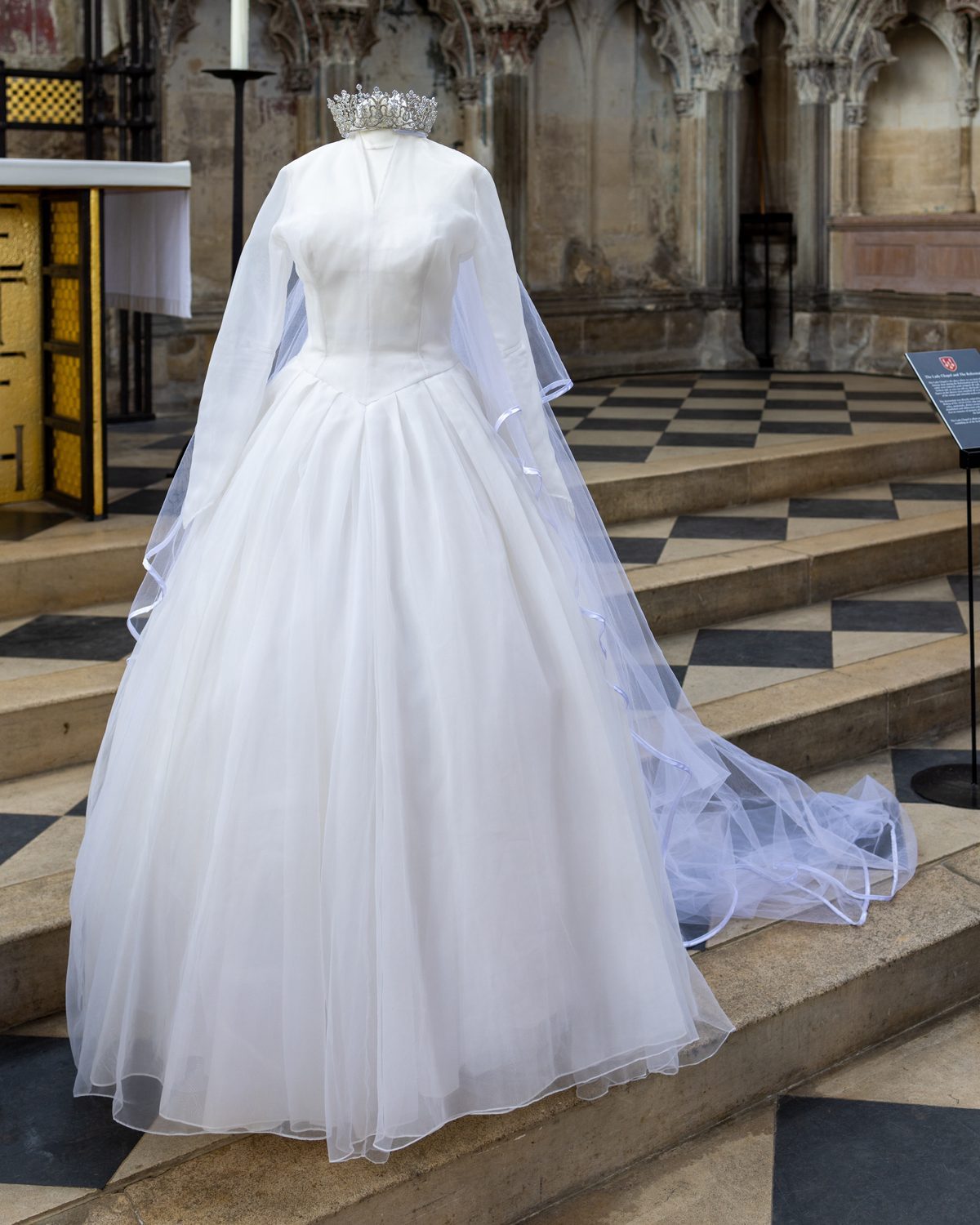
Princess Margaret's arrival at the festival was a moment etched in the annals of fashion history. As she made her entrance, the air bristled with anticipation. She wore a breathtakingly beautiful Dior gown, the epitome of class and defiance. The gown was a strapless masterpiece, meticulously crafted to accentuate her regal bearing and exquisite form. With its delicate embroidery and the soft sheen of fine silk, it both commanded attention and whispered of elegance.
A Gown of Defiance
To consider the choice of Dior is to understand Margaret's sophisticated and deliberate method of communication. Christian Dior, a couturier synonymous with the feminine "New Look" of the 1950s, was a name that spelled opulence and rebirth. Just as Dior had revived post-war Parisian fashion through tailored luxury, Margaret wielded his creation as her armor of invincibility.
The strapless design, which broke away from the conservative fashion norms typically associated with royalty, spoke volumes of Margaret's innate rebellion and spirited independence. This was not just a dress; it was a manifesto. Here was a Princess who could have retreated into the shadows of heartbreak but chose instead to shine brightly and unapologetically in the spotlight.
The Royal Court and the World Stage
To understand this sartorial choice, one must consider the context of the British royal court during that time. The monarchy was a symbol of stability and continuity, a beacon of decorous propriety navigating the tides of a rapidly changing world. Yet, under the storied roofs of British palaces, Princess Margaret had emerged as a figure of modernity.
The gown was symbolic of a generation caught between the staunch traditions of old and the alluring freedom of a new world order. As Margaret appeared on the steps of the festival venue, she was not just being true to her heart, but she was also quietly championing a changing monarchy—one that could appreciate glamour and innovation without forsaking the cherished past.
A Legacy of Boldness
Margaret's appearance at the 1958 Rome Film Festival signified more than just a personal triumph; it was a bold reminder of the multifaceted role fashion plays in royal life. The gown was simultaneously a shield against sorrow and a banner of resilience. It highlighted Margaret's determination to forge her path while embodying the responsibilities and grace expected of her birthright.
As we look back at that moment, one might ponder the ways in which contemporary royals continue to use fashion as a language of their own. Princess Margaret's choice to don Dior was more than sartorial flair; it was an assertion of identity and strength, a lesson still reverberating within the corridors of today's changing monarchy.
In this tale of heartbreak and renewal, Princess Margaret emerges as an emblem of regality intertwined with personal expression. Her story is one of defiant elegance, telling us that behind the crown lies a world of human emotion, courage, and ultimately, a tale of triumph over adversity.
Princess Margaret's diaphanous gown served as an eternal testament to how one royal woman's choice of fabric whispered louder than words. The essence of her defiance continues to inspire, reminding us of the profound connection between what we wear and who we choose to become. The legacy of the British monarchy continues to endure, a delicate balance between tradition and transformation, past and promise.
📷 Photo: The wub. CC BY-SA 4.0 via Wikimedia Commons.