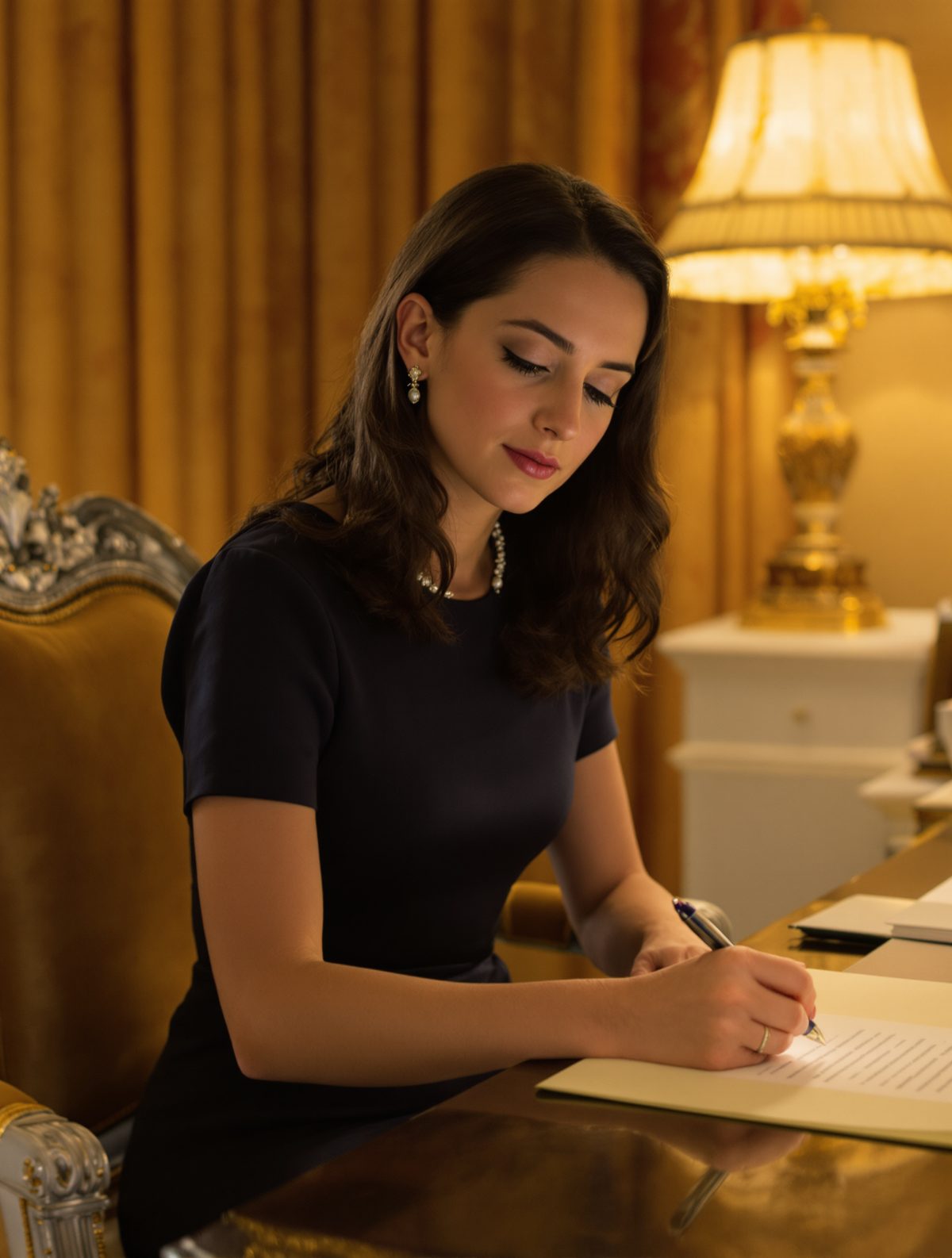
In the world of royal engagements, appearances often come and go as quickly as the flash of a camera. But in a world where a smile and a handshake can seem both significant and perishable, some actions leave an indelible mark. In 2013, Catherine, Duchess of Cambridge, demonstrated a simple yet profound gesture that quietly rippled through the corridors of Britain's children's cancer wards. Following her own hospitalization for a severe case of hyperemesis gravidarum, Catherine found herself driven not merely by duty but by heart. Thus began the morning when every child on the ward where she had visited would receive a letter written personally by her hand.
A Personal Mission Beyond the Public Eye
Royal engagements have always been an essential part of the monarchy's connection to its people. They present a chance to spotlight significant causes, whether highlighting mental health concerns, environmental issues, or, in this case, the fight against cancer. In 2013, as Catherine stepped into the role of a mother and a devoted public figure, she carried the weight of immense expectations. Most royal visits are meticulously planned, never straying from the script prepared by aides, ensuring both maximum impact and minimal deviation.
But Catherine's approach after visiting the children's cancer ward defied convention in its simplicity. Having experienced the confines of a hospital room herself, she perhaps felt the muted reality that accompanies a stranger’s kind words of sympathy. It was more than mere curiosity that drove her to pen letters to each individual child she had met. It was empathy, raw and resonant.
The Gestures Within Her Words
Each letter, handwritten in perfect penmanship, was not just a greeting but an acknowledgment of each child's unique journey. They were subtly initiated with the warmth of a young mother writing to another mother’s child, imbued with wishes of strength and stories shared beyond protocol. It was a gesture that transcended stature, resonating with a personal touch that seemed to whisper, "You are seen, and you are important."
Catherine's background, with her own experience of family closeness and support, perhaps coloured her perspective. Her move away from digital to paper — to pen each note personally — offered a tangible piece of her presence. The letters served as more than a message; they were a physical emblem of care that parents could treasure, sometimes offering them reflection during challenging times.
The Monarchy's Role in Fostering Community
The British royal family has long upheld a tradition of giving, with charitable work woven deep into the royal tapestry. In a lineage filled with patrons and advocates, each member brings their passion to various causes, continuing a legacy of service that extends beyond mere ceremonial pageantry. From Queen Elizabeth’s steadfast dedication to duty to the indelible humanitarian touch of Princess Diana, this sense of community service echoes through the years.
Catherine, poised as one of the modern faces of the monarchy, found herself stepping into this role with grace and purpose. Her letters were not a publicity stunt; they were aligned with the royal tradition of quietly uplifting where needed. This resonant act in 2013 had a broader impact — a testimony to the enduring relevance of the royals when they step beyond the palace gates and into the hearts of the people.
A Morning Turned Legacy
Most children would not have been immediately aware of the significance of the sender — a duchess under scrutiny by both media and public eyes. However, the awareness quickly grew as parents and guardians held those letters with the kind of reverence reserved for keepsakes. Catherine’s actions were appreciated not just in the confines of the hospital but were chronicled within royal records as a testament to the power of thoughtful authenticity.
While the monarch’s reach today encompasses grand global initiatives and dynamic modern endeavors, these small moments of humanity persist in their importance. Catherine's gesture echoed the compassionate spirit of the late Diana, Princess of Wales, herself remembered for her humanity and strong connections to those in need. Both bespoke of a contemporary monarchy’s capacity to touch lives personally and profoundly.
Carrying Forward the Quiet Revolution
The narrative of the morning Catherine wrote to every child on a cancer ward in 2013 continues to resonate with royal followers and inspires a new generation to perceive the monarchy as not only a symbol of tradition and stability but one of empathy and personal connection. In blending official duty with personal passion, Catherine shows how modernity and tradition can harmoniously coexist within the human fabric of monarchy.
Catherine's action provides a lens into the compassionate core that thrives beneath the crown's golden surface. Her letters underscore how simplicity can convey profound sincerity and how proximity, in its rarest form, can nurture hope and perseverance. As stories like these unfold, they offer the royal family’s admirers a narrative of warmth and sincerity, one that reflects a regal yet robust engagement with the world.