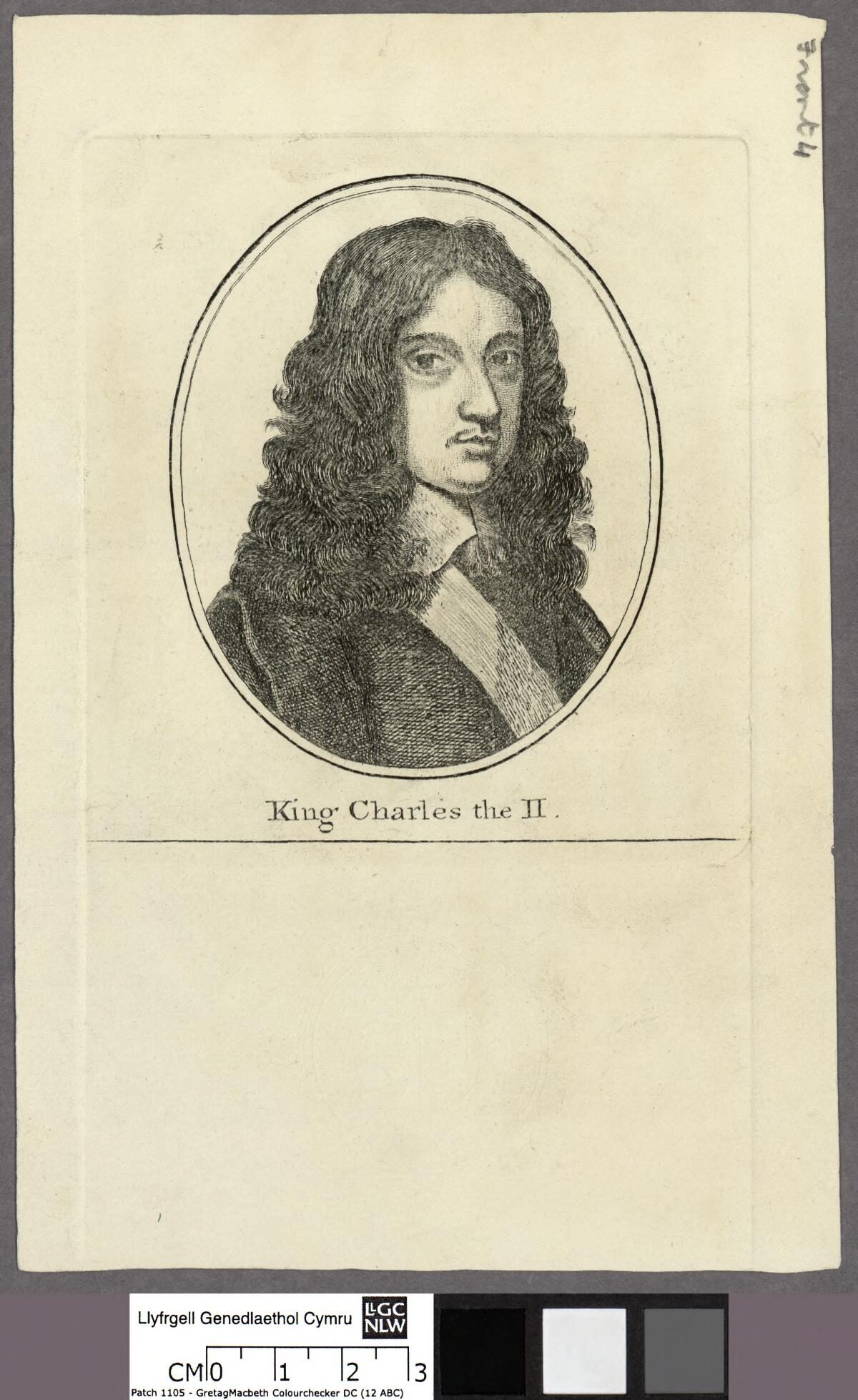
On a chilly winter’s morning in 1649, a teenage prince awaited news that would shatter his world. Far from the familiar halls of England's palaces, young Charles Stuart awoke in exile in Holland, burdened with the somber anticipation of his father’s fate. Within hours of waking, a courtier approached him silently and knelt. No words were necessary. In an instant, Charles understood: his father, King Charles I of England, had been executed by his own subjects in a brutal climax to a bitter civil war.
The Morning of Reckoning
On that fateful day, an ashen-faced courtier delivered the unthinkable news. For Charles, the son, and heir of a dethroned king, the moment marked the beginning of an extraordinary transformation. At merely eighteen, Charles found himself in Holland, far from the lands he one day hoped to govern. Yet, amidst the foreign chambers of his temporary refuge at The Hague, the reality of his future as a monarch without a kingdom bore down upon him with sudden and unforgiving weight.
The courtier’s silent gesture—an act of kneeling upon entrance—spoke volumes, immediately communicating the gravity of the situation. It was a gesture rich with symbolism; an acknowledgment of heartbreak but also of the continuity of the royal line. Charles's father, once anointed and divine, had been executed—not just by outsiders, but by the very people he had ruled. In Holland, a country known more for its tulips than for turbulent politics, the young prince walked away silently into his room, emerging only after three days of solemn solitude.
A Kingdom Without a King
The shock of King Charles I's execution reverberated across Europe. No English king before had faced trial and ultimate condemnation by his own subjects. The execution of a monarch was scandalous enough to the courts of Europe, but the circumstances of Charles I's death—on a public scaffold in the heart of London—sent shockwaves through the aristocracy.
In the Netherlands, where Charles found sanctuary among his maternal family, the political landscape was sympathetic but fraught with its own complications. He was surrounded by loyal supporters—courtiers whose allegiance to the royal family remained unwavering. However, the stark reality was that this was a kingdom without a land.
In Holland, Charles was not alone with his grief, yet he was singular in his purpose. Despite his youth, Charles understood the turbulent nature of his destiny—a crown that was now as ephemeral as it was enticing. He would spend the next eleven years wandering a Europe littered with potential allies, potential adversaries, and endless intrigue.
The Weight of Kingship
Though Charles withdrew into solitude after learning of his father’s death, those who knew him recalled the poise and fortitude with which he began to approach his new role. The responsibilities that lay ahead were immense. Would he reclaim his father's throne? Could he live up to the legacy and the legitimacy imbued in him from birth? His shoulders bore the weight not just of his personal loss but also of a dynastic one.
Those who encountered Charles during his exile noted his resilience. They saw past the veneer of princely demeanor to the heart of a young man grappling with both bereavement and destiny. The treacherous paths of European diplomacy lay in wait, but so too did companions like the Duke of Ormonde and Edward Hyde, men who became instrumental in shaping Charles's vision of what his kingship might one day look like.
Exile: A Crucible of Transformation
While still on the cusp of manhood, Charles began an odyssey through European courts, searching not only for military and financial support but for a sense of identity amidst the chaos. The years in exile were demanding, yet they forged a stronger, more astute leader wrought in the fires of loss, uncertainty, and resolve.
Throughout this formative time, Charles balanced between absolutist tendencies and the pragmatic diplomacy required to rally support for a throne he only tenaciously held onto in symbolism. This era of roving princeliness proved to be a crucible from which Charles emerged ready, tactically and emotionally, to reclaim the throne.
A Monarchy Renewed and Remembered
In 1660, eleven years of political chess culminated in the Restoration, and Charles returned to England, not merely as the son of a fallen king, but as a royal figurehead who had triumphed against the odds. His return signified not just a personal victory but a symbolic restoration of traditional monarchy. Charles II, the unlikely survivor, proved adaptable and savvy, steering England forward while learning from the turbulent history he survived.
Today, as we reflect on this chapter of royal history, we are reminded of the indelible strength and grace that have characterized Britain's monarchy over centuries. Charles II's journey from exiled prince to England's beloved 'Merry Monarch' is testament to the resilience of the institution and those who inherit its legacy. His story illustrates how the monarchy continues to adapt and endure, bound by tradition yet ever responsive to the winds of change.
📷 Photo: Unknown authorUnknown author. Public domain via Wikimedia Commons.