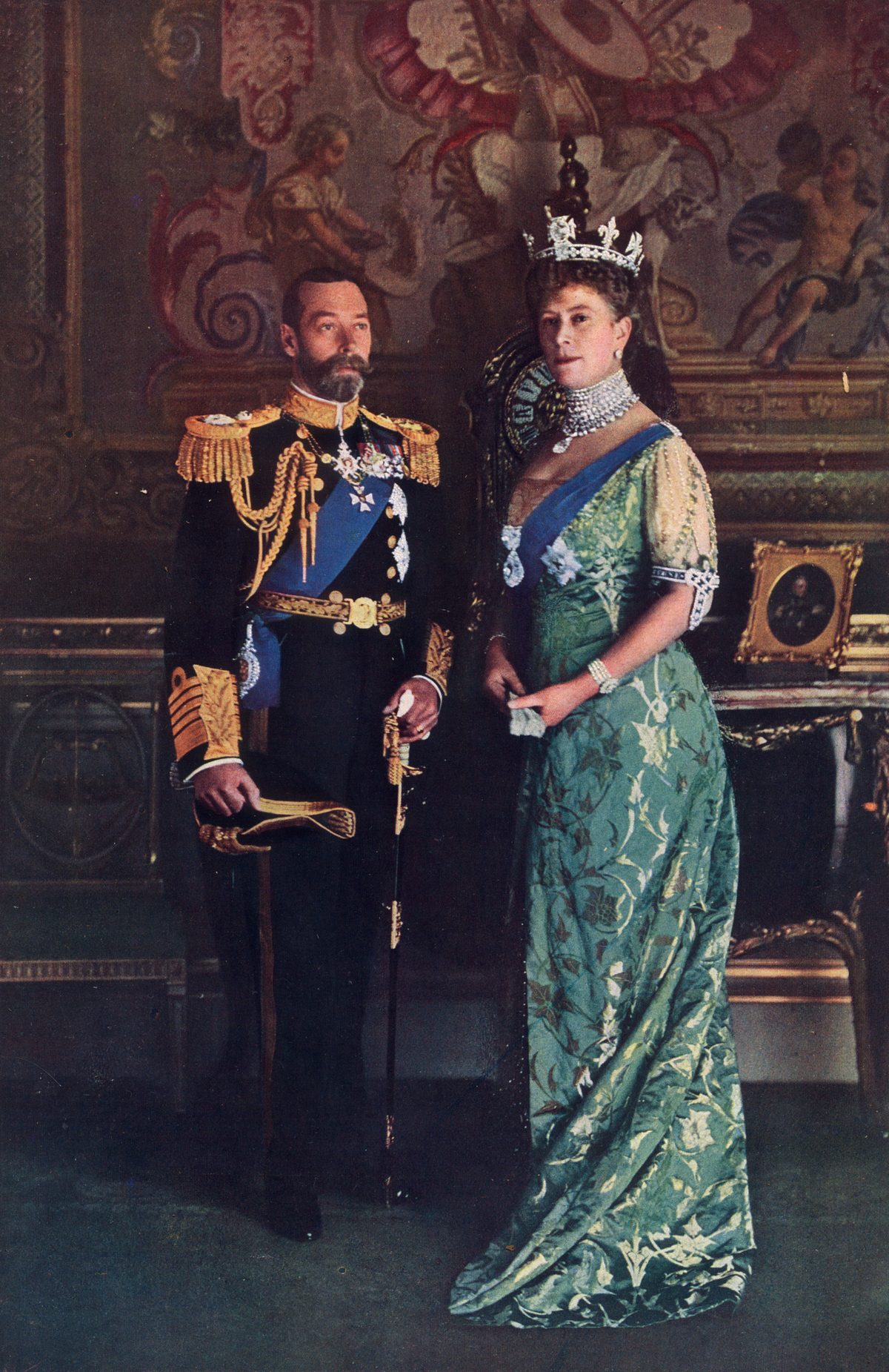
Steeped in profound privilege yet faced with unparalleled responsibility, King George V navigated the tumultuous years of World War I with dedication and heart. Amidst the grand palaces and myriad duties that marked his monarchy, it was his private mornings that revealed a deeply human side to this sovereign. Every dawn during the war, he adhered to a ritual that brought him closer to the chaos of the frontlines: reading unfiltered letters from wounded and dying soldiers. These were not softened accounts carefully curated for royal eyes but raw, heartfelt pleas and notes of gratitude directly from those who faced the war's brutal realities. It was a daily reminder of the nation's sacrifice — stark, human, and unedited.
A Royal Ritual
The World War I era was a period of unprecedented challenge for Britain and its monarchy. The King's habitual reading of soldiers' letters was a poignant act of connection that transcended the traditional royal reserve. Each morning, as dawn light filtered through the regal curtains of Buckingham Palace, King George V would sit alone with these letters in hand. The contents were often heartbreaking, filled with last words, desperate ponderings, and messages of solace. His private secretaries, aware of the emotional toll these letters took on the King, were witnesses to the open heart with which he approached each day's bundle of correspondence.
This ritual was more than an emotional exercise; it was a compass by which the King could navigate the moral complexities of his reign. By confronting the war's pain every morning, the King anchored his day in reality and empathy. This routine was a solemn duty he imposed upon himself, a personal reminder of the lives entwined with his own regal lineage.
The Court's Observations
Within the marbled halls of Buckingham Palace, King George V’s morning ritual did not go unnoticed. His staff and aides were both perplexed and moved by his unwavering commitment to this practice. In a world defined by monarchy's practiced poise, the King’s tears and visible grief were refreshingly raw displays of humanity.
The contrast between the splendour of royal life and the stark vulnerability exposed by these letters was undeniable. For the courtiers and servants who witnessed these mornings, it illuminated the King's profound dedication to his subjects. The intimate details shared in these letters — tales of camaraderie, bravery, love, and fear — served to humanize the distant battles, transforming names into memories and stories into legacies.
Messages From the Front
The letters themselves varied in content. Some soldiers sought to convey memories for loved ones, reducing a life lived to a few sentences, hoping they would find safe passage back home through the King’s hands. Others expressed gratitude to their monarch, hoping that their service and sacrifice would not pass unnoticed by the Crown. There were tales of bravery laced with humor and sorrowful poems composed in trench taverns by lantern light, echoes of hope amidst the despair of conflict.
Occasionally, these letters included haunting glimpses of the horrors soldiers faced daily, descriptions that painted vivid pictures of the front's grim reality — a reality from which King George V could not turn away. The soldiers' messages, although foreign in their hardships, connected the King directly to the human cost of global conflict, grounding his royal purpose in service and remembrance.
A Personal Connection
Despite the distance between regal life and the war-torn frontlines, King George V's commitment to reading these letters bespoke a personal engagement that defied his station's natural detachment. It established him not just as a monarch presiding over wartime Britain but as a figure actively engaging in the emotional breadth of its struggles.
While geopolitical strategies unfolded in war rooms and military advances dominated newspapers, the King took to these letters as a steadfast form of diplomacy and understanding. Each letter, appearing fragile against the strength of his royal obligations, reinforced his resolve and empathy — it was the King's private vow to remain in touch with the people whose names he only knew through ink and paper.
The Endurance of Empathy
In the years that followed the Great War, King George V's tenure continued to be shaped by a legacy rich in compassion and resilience. His mornings spent reading letters from soldiers highlighted an enduring commitment to his subjects that extended beyond the war and into peacetime reconstruction.
While the world changed rapidly around him, the King's unwavering empathy emerged as a keystone of his reign. This routine of connection, once shaped by the trenches' hardships, evolved into a enduring reminder of the power of empathy in leadership — a trait that would influence his successors and endear him to the public long after his reign.
The Legacy of Connection
Today, as we look back on the life of King George V, we witness a portrait rendered in resilience and grace. His daily engagement with the frontlines during World War I reveals a facet of monarchy often veiled from public view — one of profound humanity and connection. The letters from dying soldiers carved a direct bridge between the royal and the real.
In a modern world that sometimes struggles with empathy, King George V’s morning routine remains a powerful testament to the importance of staying grounded in the realities of those we serve. As the British monarchy continues to adapt and evolve, the lessons of the past illuminate paths for future monarchs — to lead with a heart open to the voices of all, and to rise each day ready to face the world anew. This monarch's mornings illustrate a legacy of compassion woven into the very fabric of the Crown, a reminder that true leadership often begins with listening.
📷 Photo: Jean Desboutin. Public domain via Wikimedia Commons.