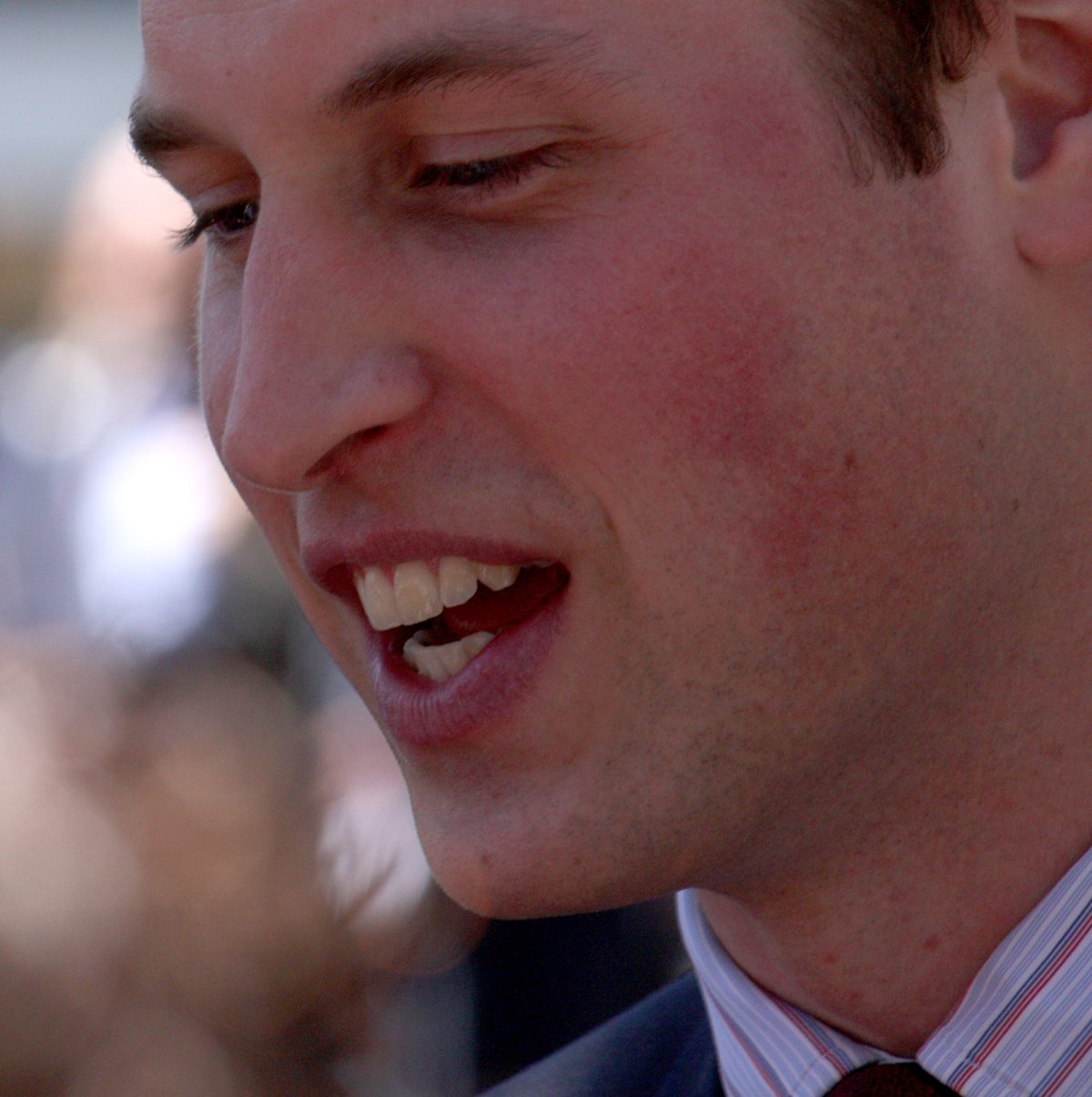
On a crisp autumn afternoon in 2005, a young Prince William slipped unnoticed into a London hospice, a place teeming with human fragility and an uplifting sense of peace. It was a space where time seemed both precious and painfully finite. No royal fanfare announced his arrival; no entourage followed his footsteps. It was just William, 23 years old, uncovering the vibrancy of human kindness away from the grandiose trappings of the monarchy. This was not an orchestrated event for public consumption — it was personal, quietly profound, and deeply humane.
A Royal Heart Shaped by Humble Beginnings
While his title and future roles within the monarchy were assured, Prince William was not a stranger to the notion of stepping beyond the rarefied world of palaces, protocol, and pomp. His mother, the late Princess Diana, had keenly felt the pulse of her times, bridging the often yawning chasm between royalty and real life. Through her actions, she showed her sons what it meant to connect with the world on a personal level – an ethos William carried with him into adulthood.
In 2005, William was engaged in what many called a "gap year" – a time reserved not just for rest but for meaningful engagement in the workings of real-world issues. His involvement with the homeless charity Centrepoint during this time was a testament to his commitment to understand and address social disparities. While many may have seen a distant privilege wrapped in royal duties, William was forging a path that would allow him firsthand insight into the experiences and challenges of those often overlooked by society.
An Afternoon Carved in Compassion
On that particular day, perhaps mindful of his mother’s steadfast warmth towards the needy, William found himself in a place that resonated with compassion and quiet dignity — a hospice. Within its walls, where life and death seemed quietly intertwined, he encountered a scene that compelled his attention: a terminally ill patient, alone and nearing life's end. It was here, far from the prying eyes of the public, that William chose to sit. He asked for the man's name, and what happened over the next hour was nothing short of poignant.
The patient, whose name is now part of the private memory held by those present, found a companion in the prince. There were no cameras to capture the sincerity of the moment; no aides to manage the interaction. Yet, those who later spoke of this encounter recalled how William held the man’s hand, offering the simple yet profound gift of presence and empathetic conversation. It was a tangible reminder that behind the princely visage was a sincerely compassionate heart, keen on embodying the virtues his mother had held dear.
The Influence of a Mother's Legacy
Princess Diana was famously known for her genuine affection toward those society marginalized. Her poignant photographs, reaching out to touch those afflicted by illness or circumstances, had been emblazoned in her son’s psyche. This particular encounter in the hospice seemed almost like an unwritten tribute to her legacy. Where Diana once walked to spread light and empathy, William now tread in kindred spirit, grounding his princely duties in the foundations of personal touch and heartfelt connection.
Indeed, the royal family has long been seen as emblematic of tradition and continuity. Yet, with William, there is also a sense of evolution, where age-old duties are suffused with a genuine commitment to understanding and alleviating the challenges of modern society. By following the threads of empathy woven by Diana, William has shown how the monarchy can remain resiliently human, bridging its storied past with a compassionate present.
No Heralds, Just Humanity
The quiet story of William in the hospice becomes a beacon of light in understanding the softer, authentic side of monarchy—a platform often perceived as distant or detached. Stories like these reflect why many in Britain and across the globe continue to hold an affectionate regard for the royal family. It’s not just about the pageantry and heritage; it’s about the enduring impact of these acts of kindness that reveal a true understanding of service.
At a time when cameras and appearances often define public relations for public figures, Prince William’s unscripted, heartfelt attention in the hospice underscores a powerful narrative. It’s a reminder—not just to the members of the royal family but to all of us—of the significance of simply being present for those in need. It doesn't require titles or grandeur, just a willingness to reach across perceived divides to embrace our shared humanity.
The Enduring Relevance of a Gentle Act
This cherished memory, replayed fondly by those who bore witness, offers a compelling vision of how the monarchy can embody empathy and care in today’s world. It speaks to a legacy that is not just shaped by birthright, but by everyday choices to infuse compassion into duty. William, navigating the intricacies of a life both public and privileged, has shown that the values imparted by his mother are not just relics of the past, but vibrant guiding principles for the future.
In the hands held and conversations shared without any expectation of reward or recognition, there lies an essence of what it truly means to serve. As we consider the continuous tapestry of the British monarchy, each thread woven with care and conscience can inspire a new generation. It demonstrates that no act of kindness is ever truly small, and that the impacts of these moments can ripple across time and history, altering perceptions and fostering hope.
📷 Photo: Newsbie Pix. CC BY 2.0 via Wikimedia Commons.