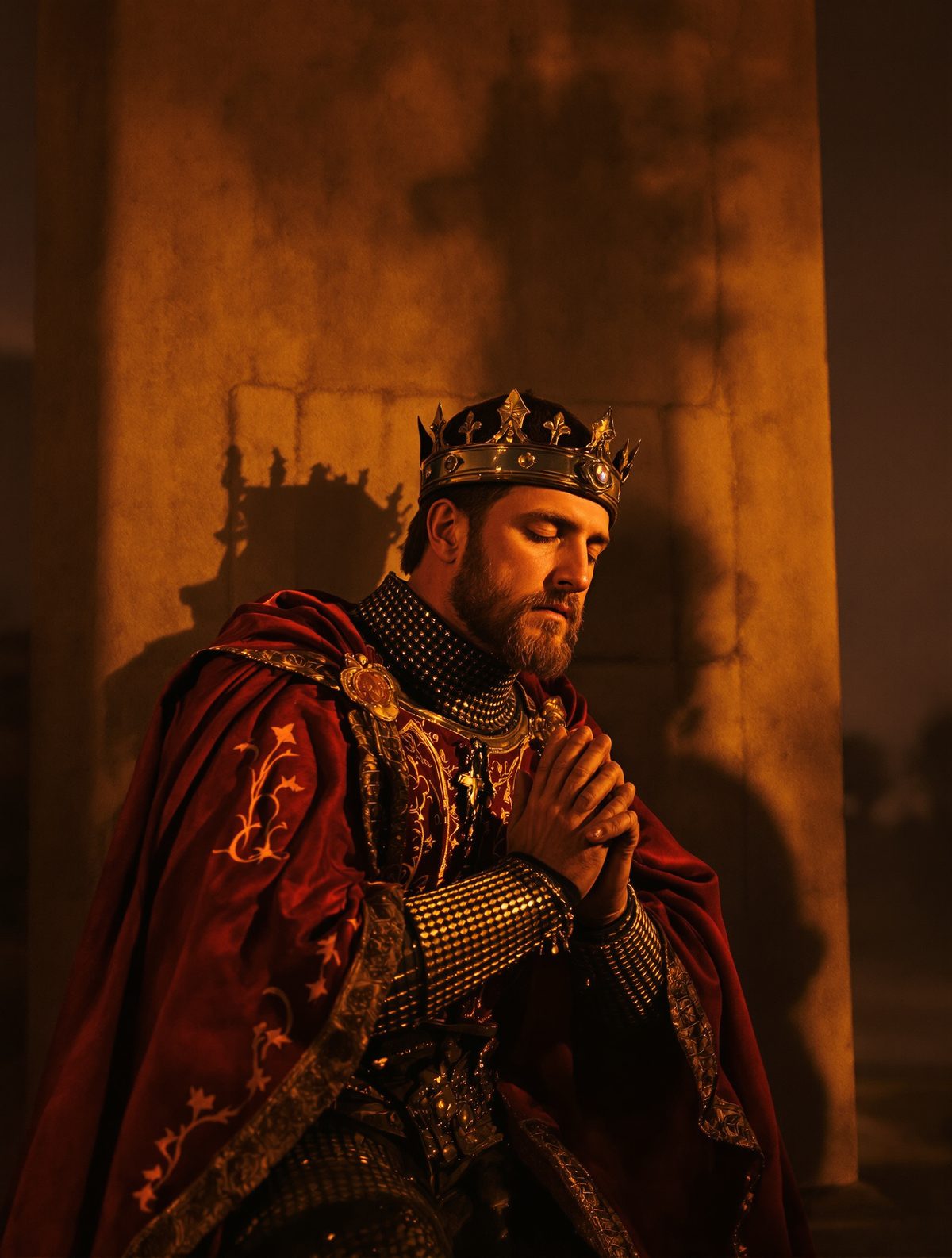
The mighty halls of history are often echoing with tales of conquest and valor. Yet, amidst the clangor of swords and crowns, some stories are marked by the gentle throb of a heart. One such tale, tender and profound, comes from the 13th century when King Edward I of England mourned not just privately, but publicly and monumentally, over the loss of his beloved queen. The tale of the Eleanor Crosses is one where stone monuments rose along a queen's funeral route, signifying not just the path she took, but the depth of a king's devotion. In the winter of 1290, Edward I, known as 'Longshanks', shattered the expectations of medieval kingship, carving a love story through the very heart of England.
The Passing of Queen Eleanor: A Kingdom in Mourning
Queen Eleanor of Castile, the devoted wife and confidante of Edward I, passed away on November 28, 1290, in the quiet village of Harby, Nottinghamshire. Her death was not simply the loss of a queen; Eleanor was a well-loved partner, an astute political advisor, and a mother. Her marriage to Edward had been not just a union of nations, but one of deep mutual respect and affection, rare among the arranged political alliances of the time. The couple’s bond was characterized by its authenticity and depth, woven together through adventures, difficulties, children, and nearly four decades of shared life.
Edward's reaction to Eleanor's death was profound and immediate. In a time when displays of royal emotion were often seen as weakness, Edward’s grief was both public and poignant. His spontaneous expression of love became an eternal testament to his late wife, ensuring that the nation would bear witness to their shared story long after his own heart had grown still.
The Creation of the Eleanor Crosses
In a move unprecedented for the time, King Edward I ordered that a series of sumptuous stone crosses be erected at each point where Eleanor’s body rested overnight on its journey to London. What was meant to be a ten-day journey from Harby to Westminster Abbey became a narrative in stone. These twelve crosses, known as the "Eleanor Crosses," marked each stop like chapters of a book, etching Eleanor’s path into England’s landscape.
The design of the crosses was as grand as the love story they represented. Each was constructed as a towering monument comprising elaborate carvings, with Eleanor's image immortalized in stone. Craftsmen and artists from all realms were commissioned, sparing no expense to gather the finest materials and talent available, making these crosses not only markers of the journey but also exemplary works of medieval art and architecture.
Symbolism and Legacy of the Crosses
The intention behind these crosses went beyond expressions of grief or memory. They were profound symbols of a transformative era in English history. King Edward was aware of his place in the landscape of time, recognizing that through these lasting memorials, the legacy of his love, and indeed his reign, would endure. The Eleanor Crosses stood as monumental witnesses to the bond between Edward and Eleanor, ensuring that even passersby centuries later would pause to reflect on the fidelity and affection a great king had for his queen.
Though the original twelve crosses have not all withstood the test of time, three remain: those at Geddington, Hardingstone, and Waltham Cross, each whispers stories of a times gone by. Modern visitors to these historic sites can still see traces of the intricate gothic style that defined the era. Each remaining stone, weathered yet resilient, offers a glimpse into the artistry and devotion that fueled their creation.
Eleanor’s Final Journey to Westminster Abbey
From the chilly grasp of Nottinghamshire to the sacred halls of Westminster Abbey, Eleanor's final journey was one of both somber reflection and brilliant homage. As her cortege moved through England, it was greeted by a kingdom stepping forth to acknowledge the loss. Each night she rested, accompanied by the solemn prayers and the quiet mourning of laymen and noblemen alike, Edward’s somber assurance that his beloved would never walk alone.
Westminster Abbey itself, a place of both national significance and personal sanctuary, received Eleanor for her final rest. This time, her arrival did not mark the culmination of a regal duty but a personal pilgrimage of love and memory orchestrated by Edward, who stood as both king and the heartbroken husband.
A Timeless Testament
Today, the Eleanor Crosses stand threaded through the fabric of England’s history, their legacy a testament to devotion. They serve as reminders of a time when a king dared to grieve openly, setting aside the rigid expectations of power to honor the woman he had cherished. While the centuries have transformed many aspects of the monarchy and the nation it leads, the essence of love and remembrance captured by the Eleanor Crosses continues to offer resonant inspiration.
In our current age, when royal marriages are still watched with bated breath and expectations often weigh heavy on those who wear crowns, the story of Edward and Eleanor remains a beacon. It reminds us that beyond the grandeur of titles and ceremonies, the true strength of royalty lies in human connections, in empathy, and in the stories we choose to tell and preserve.
“Surely it is no small part of the glitter of a court, that the personal fidelity it inspires should be synonymous with the highest ideals of genuine devotion.”
Thus, from the past rises a poignant message for the present: the heart of a kingdom beats not just in conquest or rule, but in the love, memory, and legacy we honor and cherish for generations to come.