As the air raid sirens wailed their mournful warning across the capital, Londoners once again sought the sanctuary of underground shelters. In October 1940, during the height of the Blitz, such nights had become a grim routine. But as daylight crept through the fearful dawn, an unexpected visitor graced one such refuge. King George VI, without pomp or herald, entered into the fray of ordinary lives, bringing with him a moment of calm amidst the chaos. On this particular morning, he'd come to read, not as a monarch encumbered by ceremonial duties, but as a compassionate soul embracing his people.
The King Amongst Commoners
It was a time when the fabric of British society was interwoven with strife, courage, and resilience. The year 1940 marked an epoch where the very spirit of the United Kingdom was tested by adversity. In the heart of this turmoil, the royal family became an emblem of steadfastness for many, a reminder of unity during the nation's darkest hours.
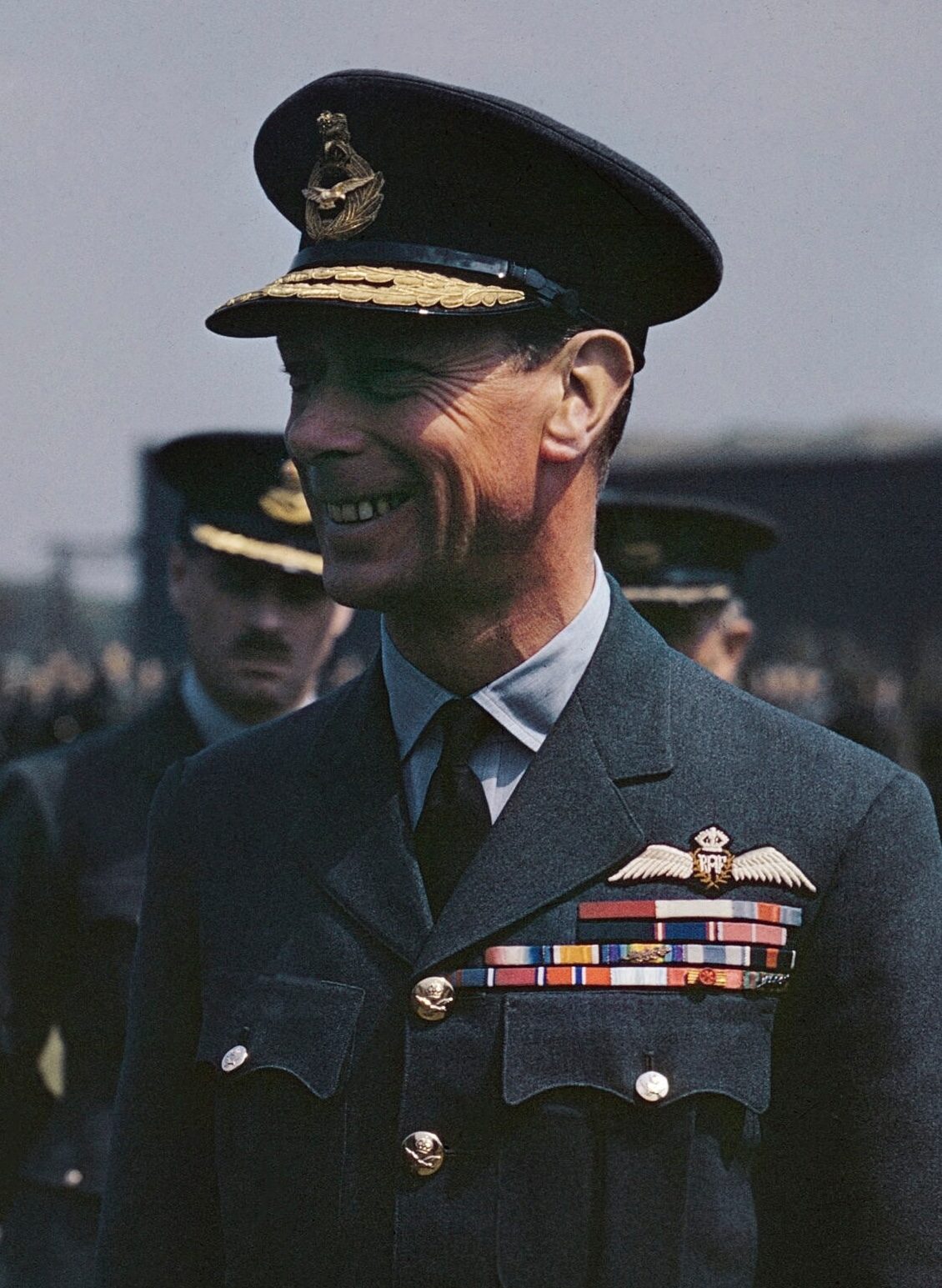
King George VI was not initially destined for the throne, yet he ascended to it with a profound sense of duty. Known privately as "Bertie," his unexpected rise came after his brother Edward VIII's abdication. Despite a significant stammer and a natural reticence, George VI rose to the occasion, earning the public's admiration not through majestic displays but by his earnest efforts to connect with his subjects.
During one of his many visits to the bomb-afflicted East End, the King displayed this very empathy. Entering the shelter that fateful morning, he brought no entourage, merely a simple book in hand. Amongst the crowded room, he found a child, trembling not only from the chill but with frayed nerves from the night’s events. In a world turned upside down, the sight of the King settling beside them brought an unexpected warmth, a reminder that even in shared despair, there could still be moments of humanity.
Reading Against the Roar of War
With a gentle resolve, King George VI addressed the gathered crowd by his actions, rather than with grand speeches. As he began to read, a quietude spread throughout the shelter, the words on the page momentarily drowning out not just the echo of bombs but the fear that gripped the hearts of those present. The book he chose was unremarkable by royal standards; it contained no speeches or grand historical accounts. Instead, it was a simple story, intended to soothe, offering solace in a world fraying at every seam.
Such was the nature of George VI – a man who embodied the crown, not with lavish displays of regality, but with grounded acts that resonated deeply. His presence in the shelter on that October morning became a beacon of shared human experience, one that wasn’t dictated by rank but by mutual endurance.
The King was not merely a figurehead — he was a participant in the collective struggle, his presence a powerful testament to the message that everyone, regardless of stature, had a role to play against the encroaching tumult.
Courage and Royalty Entwined
Within the echoing halls of Buckingham Palace, the royal family faced the same wartime realities as the citizens they led. Queen Elizabeth, later the Queen Mother, stood firmly beside King George VI. Together, they symbolized the resolve of a nation determined not to bow before adversity. Even as Buckingham Palace itself withstood multiple bombing raids, they refused to abandon London or their people.
This steadfastness reinforced the regal narrative that their place was with the people, sharing in the collective sacrifices necessitated by war. One particular story from this period tells of Queen Elizabeth defiantly remarking, “I’m glad we’ve been bombed. Now I feel we can look the East End in the eye.” This sentiment echoed King George VI's own convictions, reinforcing their commitment to visible solidarity.
The King's acts of kindness and his visits to bomb-ravaged areas were more than mere gestures; they bespoke an enduring bond between the royal family and the people. His presence in that East End shelter transcended ceremony, offering a rare glimpse into the soul of a monarch deeply intertwined with his country's fate.
The Legacy of Leadership
As we reflect upon these events, we are reminded of the power of leadership grounded in humility and genuine connection. King George VI's quiet devotion during the arduous years of World War II remains an inspiring narrative, one that resonates firmly even today. It brings to light the timeless truth that the strength of a nation lies in its unity, fostered by leaders who understand the trials of their people.
In the years that followed, George VI's legacy would be marked by his role in rallying the British spirit, leaving behind a storied path for future members of the royal family to follow. His daughter, Queen Elizabeth II, would continue this legacy, often drawing upon the lessons she learned from her father during those challenging years.
As history weaves the tapestry of the monarchy into the cultural fabric of the nation, the image of King George VI reading to frightened children in a bomb shelter remains iconic. It stands as a beacon of hope, dignity, and the enduring spirit of togetherness. It is a reminder that leadership is not born of command or authority, but of presence, empathy, and the unwavering commitment to those one serves.
In honoring the fortitude of George VI, we celebrate not just the past, but an example that continues to inspire, holding firm the belief that even in our darkest hours, light can be found in the most unexpected places.
📷 Photo: Royal Air Force official photographer. Public domain via Wikimedia Commons.