On the morning of October 21, 1966, the small Welsh village of Aberfan was forever changed. A mountain of coal waste had collapsed following heavy rains, unleashing a landslide that engulfed Pantglas Junior School and several houses, claiming the lives of 144 people, including 116 children. In the midst of this unimaginable tragedy, a surprising visitor appeared eight days later: Queen Elizabeth II. As she carefully navigated the delicate line between royal duty and human empathy, she chose to focus on a question of hope rather than tragedy — one that would resonate deeply with the survivors she met.
The Queen's Unseen Path
After the scale of the Aberfan disaster became apparent, there was great anticipation regarding the royal response. As head of state, Queen Elizabeth II was expected to show solidarity and support. Yet, royal advisors were initially cautious. The protocol dictated restraint, urging that the Queen’s presence might be seen as intrusive at such a delicate time. Nevertheless, the Queen’s instincts led her to believe that her presence was necessary, showcasing her understated yet profound sense of duty.
Accompanied by her husband, Prince Philip, the Queen arrived eight days after the horror unfolded, silently acknowledging the grief that enveloped Aberfan. Her decision to go against traditional advice was emblematic of her reign — a blend of respect for protocol and genuine compassion. Though initially criticized for her delay, many came to view her visit as a deeply empathetic gesture.
An Unexpected Question in Tragedy’s Wake
It is often said that in times of darkness, a flicker of hope can illuminate the path forward. As Queen Elizabeth II moved through the community, she did not dwell on the sorrow of the tragedy. Perhaps anticipating that every word she spoke would bear an unintentional weight, she instead bent down to the level of the children who had survived and asked them a simple, quietly revolutionary question: "What are your dreams?"
This approach was unexpected, almost counterintuitive, when the very air was weighed down with loss. Yet, it created a moment of reprieve amidst grief. Her question unlocked a vision of the future, gently steering minds away from the tormenting scenes of the past. What did the children want to be when they grew up? What hopes did they harbor for the years to come?
Stories of Resilience
The Queen’s question inadvertently became a lifeline, a small seed of resilience sown at a time when it was most needed. It allowed the survivors, especially the young ones, to envision a life beyond the shadows of the scarred landscape. Although the names and faces of those she met have become part of the tapestry of history, their dreams are reflective of the community's indefatigable spirit that fought to regain its footing.
One can imagine the quiet determination of these children, echoing through time—a teacher, a doctor, an artist. Dreams might seem inconsequential amid tragedy, but they are the seedlings of recovery, the first bright colors on a canvas darkened by loss.
A Sovereign's Subtle Wisdom
The Queen’s subtlety in addressing dreams rather than the disaster itself speaks to her profound understanding of her role beyond ceremonial appearances. Hers was a reign often defined by silent yet powerful gestures in the gravest of times. This was not just the work of a monarch, but of a mother, a grandmother, and a custodian of her nation’s collective heart.
Her quiet presence among the rubble conveyed a recognition of those who were lost, while her words sought to uplift those who remained. Rather than revisiting the tragedy, she nudged survivors towards the horizon, affirming that the power to dream was, and is, a resilient part of the human spirit.
A Lesson for Today
The Aberfan disaster and Queen Elizabeth II’s response remain poignant reminders of the monarchy’s potential to act as a force of unity and reassurance. Her visit is not just a moment frozen in time, but a lesson for today. It invites us to consider how, amid loss and devastation, focusing on hope and everyone's intrinsic potential to dream can guide communities towards healing.
The Strength of a Timeless Monarch
Throughout her distinguished reign, Queen Elizabeth II consistently exemplified a delicate balance between maintaining tradition and fostering personal connections. Her choice to visit Aberfan and speak words of hope embodies the empathy that endeared her to millions. In standing amongst the devastation, she offered not just comfort but also a reminder that even from the depths of despair, one's capacity to dream represents an unbreakable connection to the future.
Beyond the throne's ceremonial splendor, the Queen's unyielding dedication to her people is a testament to the monarchy's relevance and its role in the modern world. A queen’s reign is often measured by the sum of her actions, both grand and understated. The question asked amidst the ruins of Aberfan remains emblematic of Queen Elizabeth II’s reign — quietly profound and infinitely hopeful.
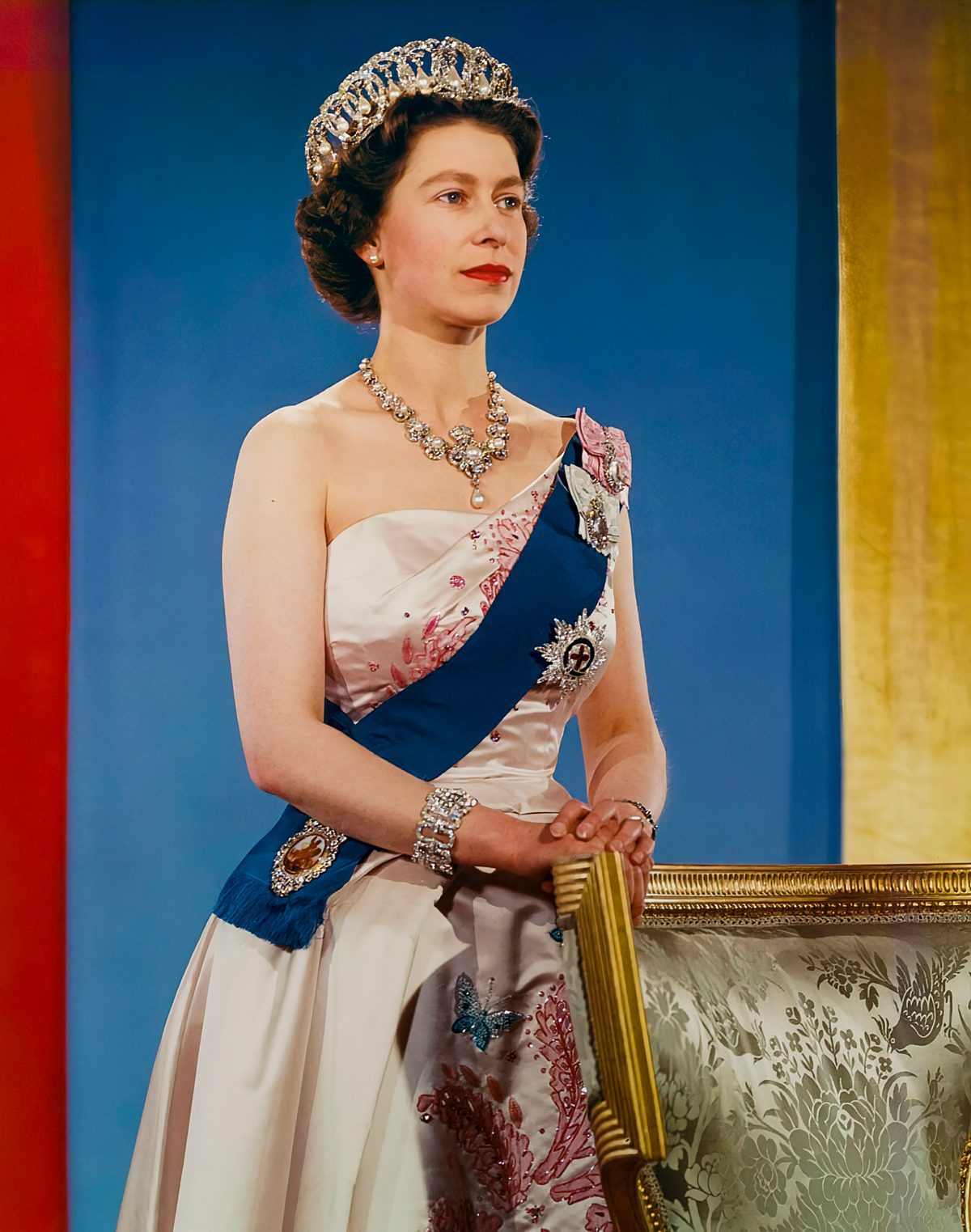
📷 Photo: Donald McKague. Public domain via Wikimedia Commons.