As the royal car pulled into another hospital, Prince Philip of Mountbatten, Duke of Edinburgh, was already gathering his thoughts. With each visit, he left behind the bustling elegance of palace life and immersed himself into the gentle rhythm of hospital wards. Known for his commendably direct manner and a bluntness that often set him apart, Prince Philip had a unique approach when meeting wounded soldiers — one that defied expectations and often left the nurses and doctors quietly astonished. Instead of inquiring about their medals or battlefield exploits, Prince Philip always asked the same, simple question: "What do you miss most from home?" It was a question designed to connect, to empathize, and, most importantly, to genuinely listen.
A Royal Visitor Amongst the Wounded
During the hectic decades spanning the 1950s through the 1990s, Prince Philip dedicated countless hours to visiting servicemen injured in the line of duty. His appearances at hospitals were both anticipated and cherished, an extension of the sense of duty the royal family held toward those who served the country. Prince Philip’s presence was not marked by hollow ritual or perfunctory exchanges; rather, these visits offered glimpses of the man behind the royal persona. Staff and patients alike noticed that it wasn't the war stories that interested him most, but rather the intensely personal reflections of each soldier's heart and mind.
Prince Philip's manner was refreshing in its candor. His notable forthrightness, often humorous and sometimes bordering on the controversial, took on a different tone within the hospital walls. He dispensed with the formalities and spoke to these servicemen as equals. When asked about their families, homes, and dreams, they found an empathetic listener in him — a man who understood the importance of grounding oneself in memories during times of struggle.
The Question and Its Impact
Every wounded soldier encountered his one, defining question: "What do you miss most from home?" Those who watched him work understood that this question was more than a mere expression of concern; it was an open door to understanding the human experience beyond physical pain and the gilded medal exterior.
Patients responded with a surprising depth: the smell of their mother's cooking, the touch of their children’s hands, or the simplicity of sitting by the sea. Prince Philip's genuine curiosity and willingness to hear their stories often led to conversations lasting far longer than anticipated. Moved by accounts of longing and hope, he listened with an unhurried patience that was all too rare in the whirlwind of royal obligations.
Ward staff observed these exchanges and noted the prince’s ability to lift spirits with a seemingly small question. His approach acknowledged each soldier’s identity beyond their injuries, recognizing them as sons, husbands, and fathers who had given so much for their country. This simple act of listening became an invaluable part of their healing process.
The Human Touch in the Royal Court
Prince Philip's involvement with hospitals and wounded servicemen was part of a larger tapestry of royal duties exploring the human side of governance. While some may have seen the monarchy as detached, these visits shed light on the personal outreach the royals practiced behind the scenes. His dedication to these servicemen mirrored the broader commitment the royal family historically maintained, including support to countless charitable organizations and public services.
The prince's approach was deeply inspired by the values of the monarchy itself — duty, service, and connection to the people. In his uniquely unpretentious style, Prince Philip demonstrated how the House of Windsor could bridge the gap between crown and citizenry, fostering bonds that surpassed the formalities of royal life.
A Legacy of Engagement
The enduring impact of Prince Philip’s approach is visible even today. His legacy of engagement and the rapport he built with those wounded in service have inspired subsequent generations within the royal family to continue prioritizing community ties. Prince Philip’s work emphasized the importance of human connection, reminding us all of the power contained in simply listening to one another.
Moreover, his question persists across time, prompting us all to reflect on what truly matters in moments of hardship. As a reminder of the deeper human emotions that reside beneath the surface of duty, Prince Philip's thoughtful engagement continues to resonate, offering timeless lessons in compassion and understanding.
In a world that often races forward, Prince Philip’s patient inquiry teaches the enduring power of presence. His knack for breaking down royal barriers and meeting individuals heart to heart was a hallmark of his service, eternally etching his memory in the tapestry of those he encountered. The question he asked remains a testament to the profound simplicity of empathy — a quality that remains invaluable, transcending the decades and continuing to inspire connections across time.
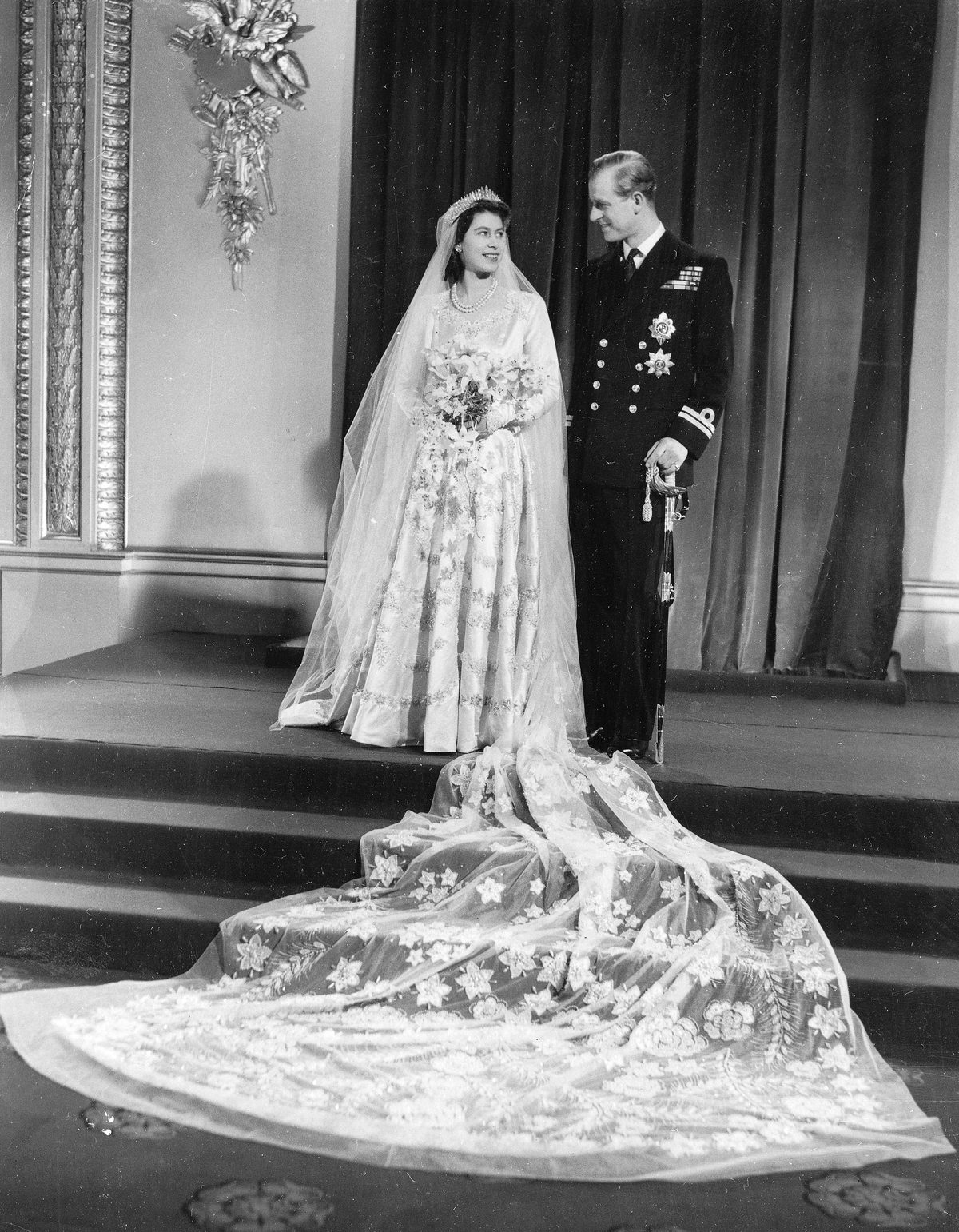
📷 Photo: Associated Press. Public domain via Wikimedia Commons.