Picture this: A world where every correspondence mattered, a time when the simple act of reading a handwritten letter could bridge distances and touch the hearts of even the grandest royalty. In the 1960s, amidst the stately halls of Buckingham Palace, Queen Elizabeth II took a moment from her busy schedule to connect with one of her youngest admirers. It was a morning like no other, when a seven-year-old's earnest words crossed the invisible divide and landed directly in the hands of the Queen.
A Deluge of Devotions
The 1960s were not just a period of cultural revolution; they were also a time when the British monarchy stood as a symbolic anchor amidst the shifting tides of social change. Queen Elizabeth II, having ascended to the throne in 1952, had firmly established her reputation as a resilient leader and a bastion of elegance by the time the vibrant decade rolled in.
Every week, Buckingham Palace received a staggering influx of letters. These missives came from all corners of the Commonwealth and beyond, each bearing messages of admiration, queries, or simple well-wishes to the reigning monarch. The palace staff, diligent and devoted, managed the monumental task of acknowledging each note, ensuring that no message went unanswered. While most responses came from the hands of secretaries, ensuring efficiency within the palace walls, there were moments when the Queen herself would pause, take a letter to heart, and reply in her own hand.
A Child's Heartfelt Appeal
Among the thousands of correspondences, one letter in particular stood out. It wasn't written on gilded paper nor adorned with diplomatic seals, but it bore the innocent scrawl of a seven-year-old girl from a quaint English town. Her letter was simple yet filled with genuine curiosity and admiration for Her Majesty.
The girl never dreamed that her letter would be read by anyone beyond the palace secretaries, nor did she imagine that it would be met with anything more than a printed reply. But by some twist of serendipity, the child's poignant words caught the Queen's attention, and in that moment, a royal connection was made.
The Morning of Grace
It was a typical morning at Buckingham Palace when Queen Elizabeth II decided to answer the young girl’s letter herself. The Queen, known for her keen sense of duty and personal touch, saw in the letter a chance to connect, educate, and spread warmth. Setting aside her routine matters, she took pen to the distinctively embossed palace stationery and penned a heartfelt reply, signing it with her distinctive "Elizabeth R."
In that letter, the Queen expressed gratitude for the kind words and acknowledged the earnestness of a young girl's inquisitive nature. Those to whom the monarchy seemed untouchable now glimpsed a sovereign who cherished every subject, no matter how small or young. The Queen's note was as treasured as the crown jewels, a symbol of her grace and approachability.
A Keepsake, a Legacy
The response from the Queen became a cherished memento, preserved with loving care by the recipient and passed down through generations as a physical testament to a fleeting yet profound moment. But the impact of the letter extended beyond its immediate recipient. It served as an enduring reminder that royalty, much like anyone else, can share genuine human connections.
For the Queen, such interactions infused her reign with the personal touch that endeared her to millions across the world. They illustrated her commitment to her role—not just as a distant figurehead but as a beloved and accessible leader capable of reaching out from behind the walls of the royal court.
Monarchical Memories in Modern Times
Today, as we reflect on the enduring legacy of Queen Elizabeth II and the timeless institution she nurtured, we find little moments that stand out—moments when humanity transcends title, and connection bridges social divides. In an age where communication is instantaneous and digital, the simplicity of a handwritten note carries unparalleled weight.
As admirers of the British monarchy, we cherish these anecdotes not merely as stories of the past but as glimpses into the values that continue to guide the royals—a commitment to service, a touch of humanity, and a reminder that the crown itself is borne with love and dedication.
And so, the little girl’s letter stands as a metaphorical bridge between the sovereign and the people—a testament to an era when a Queen took the time to acknowledge the thoughts of a child, fostering a connection that would ripple across time. As royal devotees, we delight in these moments of grace, knowing they form the foundation of our admiration, an unbroken chain woven through the fabric of history.
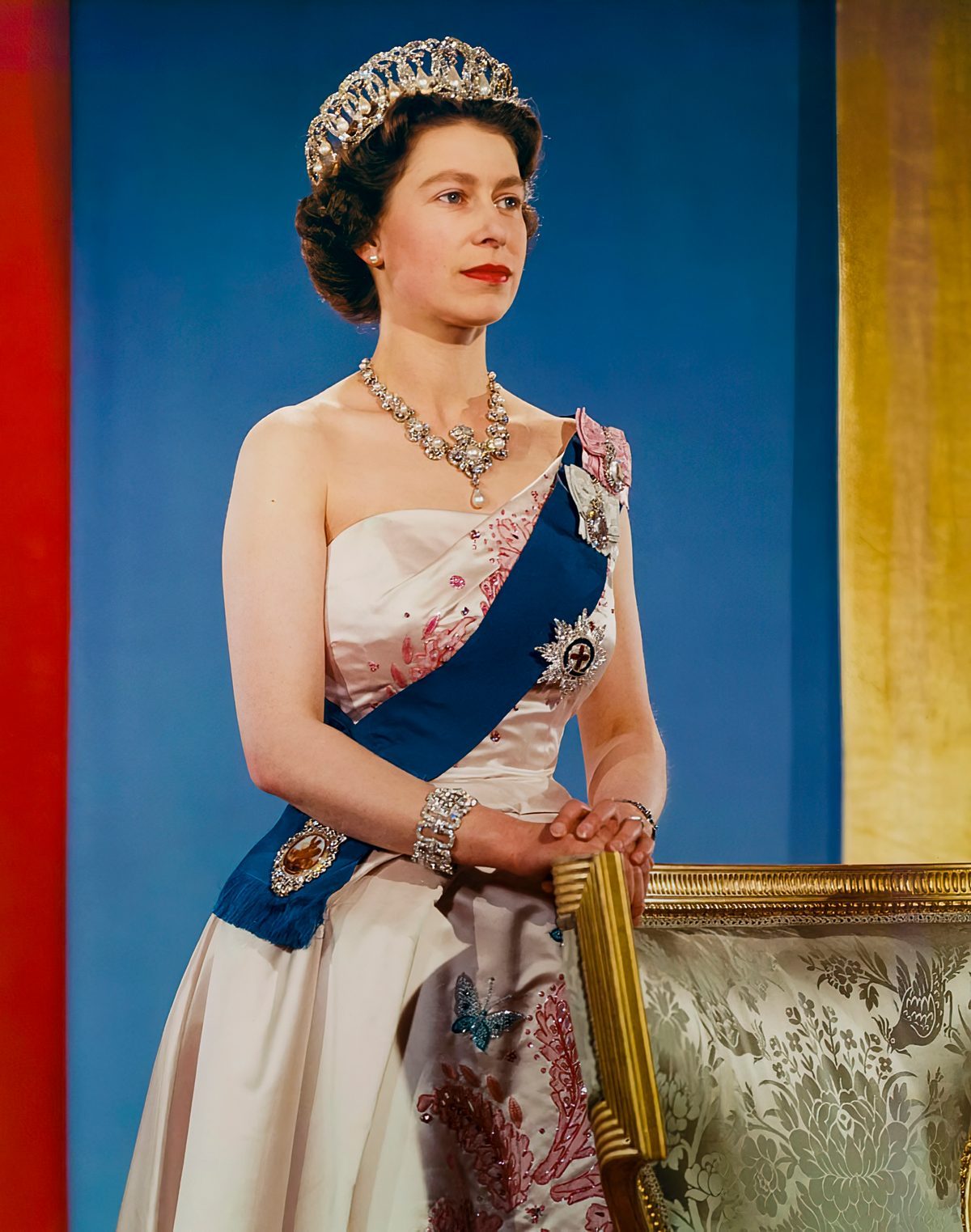
📷 Photo: Donald McKague. Public domain via Wikimedia Commons.