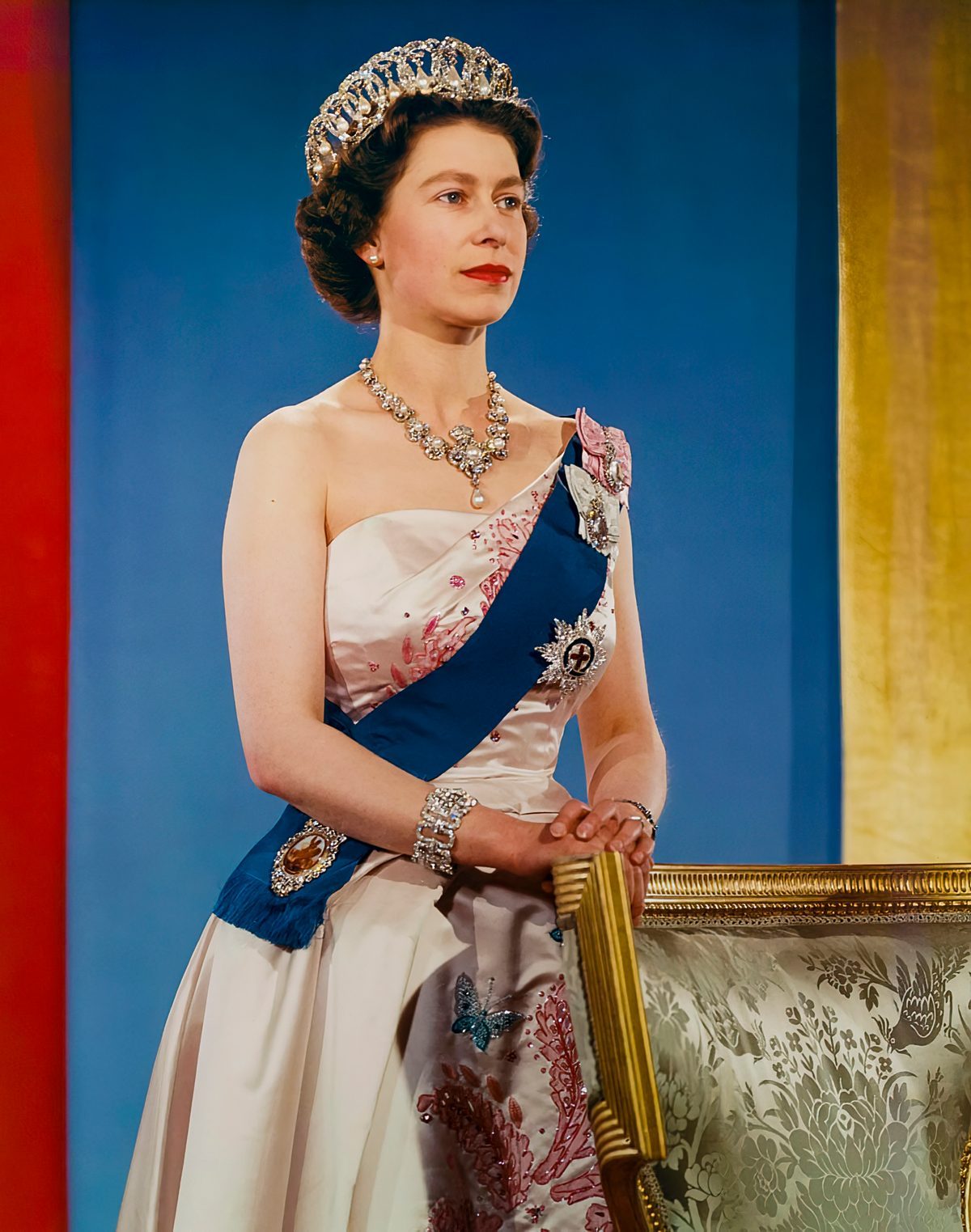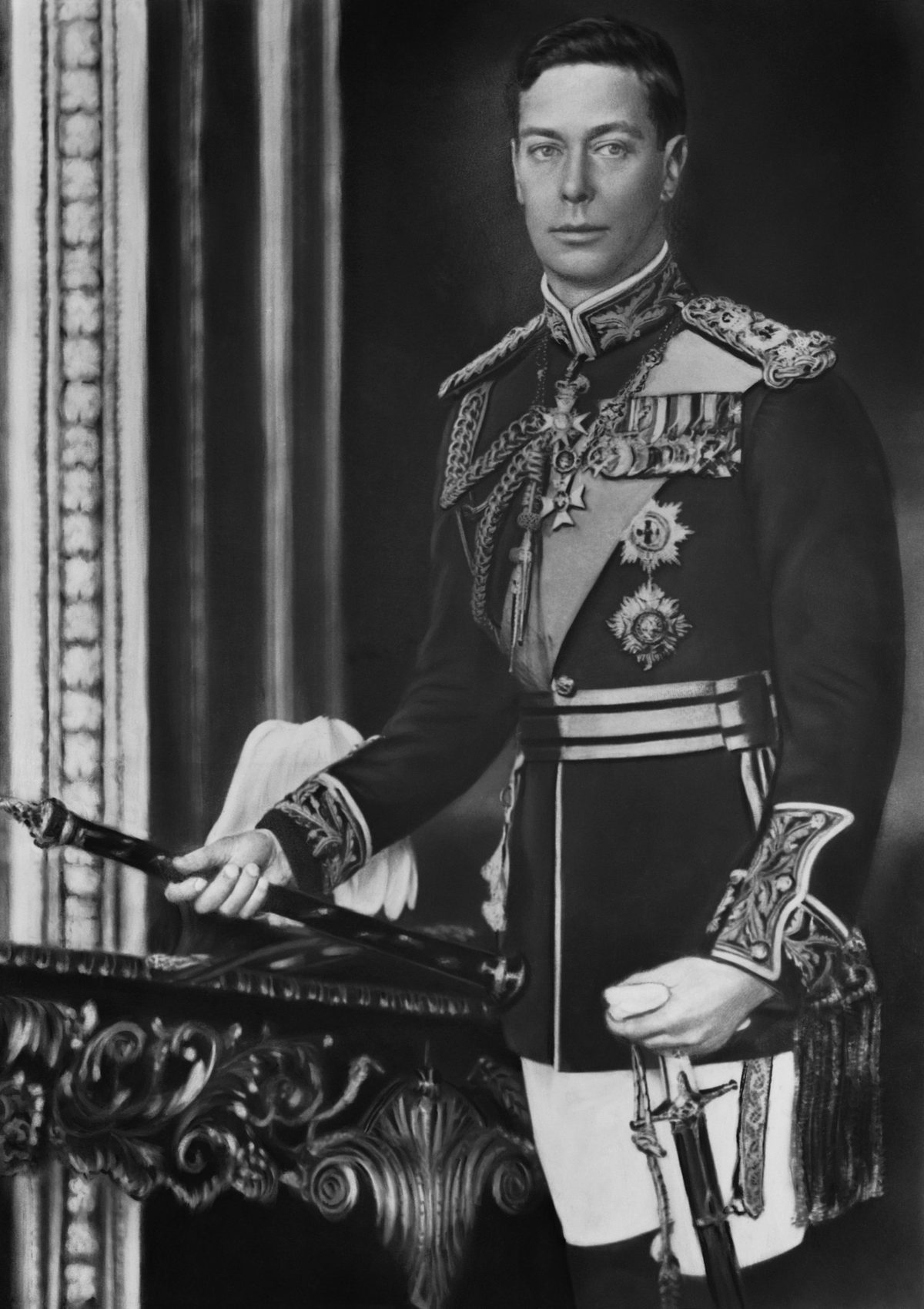
He carried the weight of a crown he never wanted. King George VI, the reluctant monarch, assumed the throne under the most unexpected circumstances. Yet, amid the turbulence and occasional brambles of sovereignty, he found rare solace in the serene wilderness of Balmoral. Nestled amidst the majestic backdrop of the Scottish Highlands, it was here, beside the crystal-clear streams that wind through the estate, where George VI shared intimate moments away from the prying eyes of the world. Perhaps none were more cherished than the mornings spent with his eldest daughter, young Princess Elizabeth. Together, father and daughter stood on the dew-kissed banks, engaging in an activity as timeless as the monarchy itself: fishing.
The Balmoral Retreat: An Oasis of Normalcy
Balmoral Castle, a private residence of the British royal family since the days of Queen Victoria, has always been a cherished escape from the public spotlight. Unlike the bustling city life of London, Balmoral offers a realm of tranquility—its rolling hills and wide rivers acting as a personal retreat where the royals can indulge in simple, everyday pleasures. In the 1930s, King George VI, who had recently ascended the throne following his brother Edward VIII's abdication, found solace in the calm and rustic Scotland landscape.
Despite the monumental responsibilities that awaited him as King, George VI relished in these retreats, yearning for the open spaces that Balmoral offered. Here, formality gave way to familial warmth, the elaborate gowns were swapped for practical tweeds, and formal addresses were softened to familial prattle. Balmoral allowed George to relax, to laugh, to teach, and most importantly, to be a father—an opportunity seized eagerly, particularly with young Elizabeth.
A Royal Bond Forged in Tranquility
The art of fishing has long been associated with patience, focus, and tranquility—traits that echoed the very essence of King George VI's persona. Perhaps it was for these attributes that he turned to this gentle pastime to connect with Elizabeth, instilling in her not just the techniques of an albacore-like cast but values and virtues to guide her through the currents of life’s challenges.
"My father was the most caring of teachers, teaching by example rather than instruction," Elizabeth often recalled of those treasured times steeped in simplicity by the river's edge.
On those quiet mornings, Elizabeth's world was but the gurgling of the stream, the rich aroma of earth and woodland, the bale of mist lifting with the morning sun. An apprentice yet in line for an extraordinary role, she learned to wade, stand firm, balance, and calculate each flick of the rod. Each cast into the sparkling waters represented a lesson in perseverance and stillness—a quality to be admired and savored in every life, whether royal or not.
Lessons Above the Crown
To understand King George VI is to appreciate a man who conscientiously juggled the heavy crown with a father’s responsibilities. Unlike the relentless pageantry of Buckingham Palace, Balmoral offered no grand audience. There were no subjects or dignitaries to please—only the innocent presence of a daughter eager to learn.
In some ways, these escapades to the riverbank allowed George a taste of the life he might have imagined when he was merely the Duke of York, free from the burdens of kingship. His interactions with young Elizabeth were matters of intimacy rather than imperial instruction, where each sort of fish caught was celebrated with sincere joy that transcended the ceremonial applause of state captives. George VI ingrained in Elizabeth an understanding that her legacy would swim beyond governance; it would include connection, empathy, and duty to her beliefs—characteristics more lasting than famed finery.
The Legacy of Many Mornings
The mornings spent fishing at Balmoral form an oft-liminal yet poignant chapter in our understanding of the royal history—a story not saturated with politics or pomp, but one of quiet familial intimacy. For Princess Elizabeth, these formative moments became not only memories lovingly harbored within her heart but the very blueprint of a reign remembered for its steadfast devotion and gentle strength.
By the riverbank, time stood still, yet it somehow managed to tick by unnoticed. And as Princess Elizabeth later embraced her inevitable role as Queen Elizabeth II, the patience, guidance, and love invested by her father during those tranquil mornings never faded—the lessons of Balmoral waters quite literally guiding her through the rivers of leadership she was destined to navigate.
Thus, when gazing upon Queen Elizabeth II's enduring 70-year reign, it is within such tender father-daughter exchanges—often missed by elaborate annals—that much can be discovered. Time at Balmoral taught more than just the fine art of casting a fishing line; it revealed elements of trust, fortitude, and resilience, all subtly passed from a monarch bearing weight to a young princess destined to shoulder it.
In a world that often rushes by, Balmoral’s calm rivers teach us, if we pause to listen, that some of life’s greatest gifts come when we cast aside the crowns of duty and find joy in the quiet simplicity of just being. As for George VI, the joy wasn’t just in catching the fish but in being simply a father—which may very well have been his most noble feat of all.
📷 Photo: Matson Photo Service. Public domain via Wikimedia Commons.