In the midst of her monumental responsibilities as the longest-reigning monarch in British history, Queen Elizabeth II cherished the tranquil solitude of rural life. Long before her regal presence graced official ceremonies, during the quiet springs of the 1970s, she embraced the pure joy of farming life at Sandringham. It was here, in the dewy mornings, that a simpler side of her reigned supreme — a queen with a heart deeply rooted in the earth. And it was here that Elizabeth would set aside the trappings of royalty to kneel in a chilly field, tending to orphaned lambs with nothing more than muddy boots and an old wax jacket.
An Early Morning Ritual
While the rest of the Sandringham estate lay hushed in the gentle twilight before dawn, Queen Elizabeth II awoke in a most peculiar fashion for a ruler of her stature. Forsaking the plush comforts of the royal residence, she would slip into her sturdy wellington boots and throw on a weathered wax jacket that had seen better days but hugged her like a well-worn friend. No grand entourage trailed behind her; this was a sacred solitude she savored, choosing to navigate the world of lambs and fields by herself.
For Queen Elizabeth II, these early morning excursions were not just a fond pastime but a cherished ritual. Each spring at Sandringham, the frosty breath of dawn greeted her as she stepped out to bottle-feed orphaned lambs. In these quiet hours, there was no court protocol to uphold, no ceremonial duties to perform. Just a woman with a compassionate soul tending to the fragile creatures that marked the renewal of life.
Connecting with a Simpler Life
Sandringham, the Norfolk estate owned by the royal family since 1862, was not merely a retreat but a place of deep refuge for Queen Elizabeth II—a beloved escape from the relentless public gaze. Here, amidst the sprawling acres, she found solace in nature and a reminder of life's grounding simplicity. The tradition of farming was one the Queen approached with both curiosity and reverence, connecting with the agricultural rhythm that transcended her privileged position.
This devotion to rural living was perhaps a reflection of her father, King George VI, who, alongside her mother, instilled in her a profound respect for the countryside and its toils. On occasions, she would fondly speak of her childhood experiences, watching her father's hands gently work the soil. These memories undoubtedly fueled her passion and commitment, manifesting in her nurturing care of Sandringham's lambs.
The Queen's Quiet Companions
The lambs that found themselves under the Queen's care were not just livestock; they were companions in her quest for tranquility. Each spring, the orphaned lambs required meticulous care, needing more than just sustenance — they needed affection. With no cameras to capture these tender moments, Queen Elizabeth's interactions with these innocent creatures remained genuinely her own.
In these quiet exchanges, the Queen displayed a side seldom visible to the world — one filled with unassuming warmth and nurturing. She patiently tended to her woolly charges, bottle in hand, ensuring that they received the nourishment necessary for survival. Her practiced hands, accustomed to wielding the reins of a vast realm, gently held the feeding bottles as symbols of her heartfelt dedication.
The Court Through a Different Lens
Within the majestic walls of the royal court, expectations ran high, with scheduled symphonies of state duties and formal engagements. Yet at Sandringham, the performance was very different. Here, in the bucolic embrace of the Norfolk countryside, the Queen could simply be Elizabeth—a woman intertwining her royal world with the genuine appreciation of pastoral life.
Sandringham became a canvas where the Queen painted a life less encumbered by the demands of monarchy. These private moments away from the grandeur of Buckingham Palace allowed a rare glimpse into the quiet allure of a grounded existence. To her household and staff, her affinity for farming and fondness for these creatures underscored the humanity beneath the crown.
Legacy of Timeless Reflections
The memory of Queen Elizabeth II kneeling in the fields of Sandringham transcends mere regal anecdote; it evokes a profound connection to the quintessentially human essence that resided within her role. Her dedication to these annual spring rituals left an indelible mark, imbuing her reign with warmth and relatability that resonates with admirers of the royals to this day.
As we reflect upon this endearing portrait of the Queen, tending to her orphaned lambs, we're reminded of the timeless interplay between duty and humanity—a legacy that endures through generations. In each gesture of care, she cultivated a narrative that extends beyond the confines of monarchy. This narrative spoke to a universal understanding—bridging past and present, it affirmed the beauty of simplicity amidst the grandeur.
Queen Elizabeth II's commitment to these quiet moments at Sandringham whispers to us across the years, offering a reminder that even amidst the pomp of royalty, authentic connections can thrive in the dawn's gentle light.
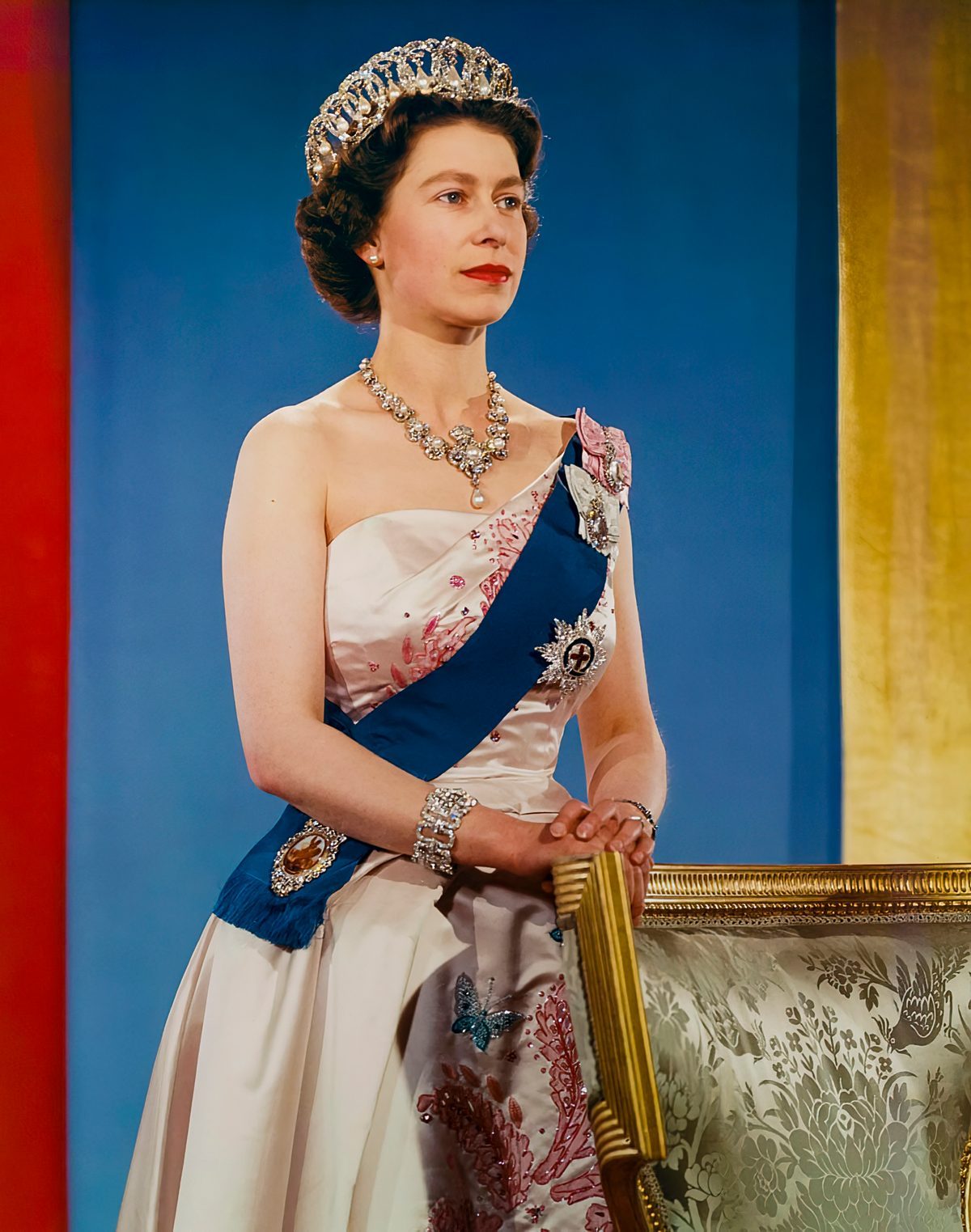
📷 Photo: Donald McKague. Public domain via Wikimedia Commons.