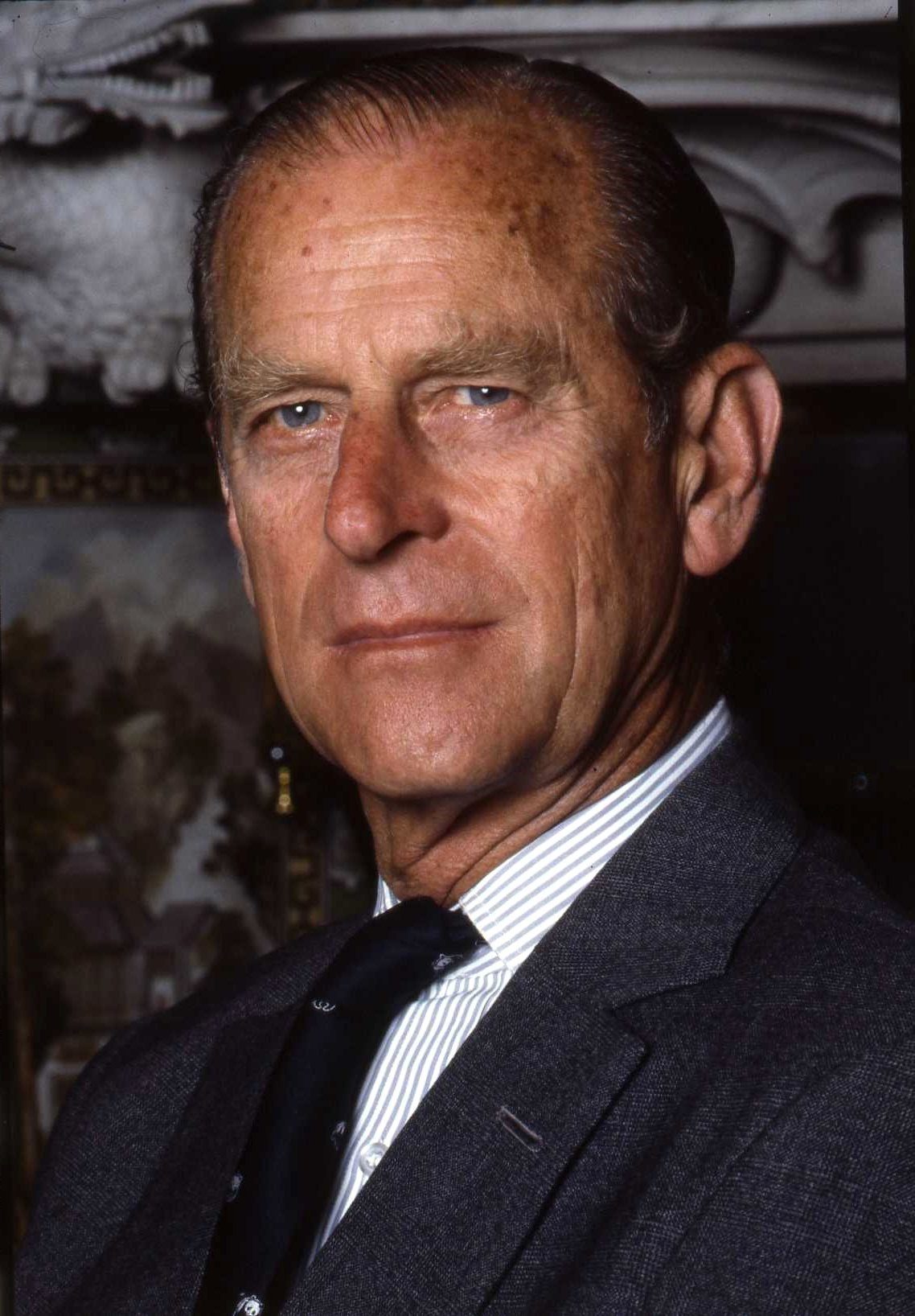
Fifty years after D-Day, the cameras were trained on the elaborate ceremony in Normandy. It was a moment of remembrance, steeped in history and visibly attended by world leaders and dignitaries. Yet amidst this grand spectacle, there was a quieter, unscripted tribute. Prince Philip, the Duke of Edinburgh, moved away from the official party to a solitary place. He stood at a stranger's grave, a singular silhouette framed against the verdant French countryside. His actions spoke of honor, a private homage amidst public duties.
A Solemn Pilgrimage
In June 1994, the world paused to commemorate the 50th anniversary of the D-Day landings. Normandy became the centerpiece of a poignant tribute to those who had participated in one of the most significant military operations of World War II. Among the attendees was Prince Philip, consort to Queen Elizabeth II and a man whose own wartime service lent him a particular resonance with these commemorations. The Prince had served with distinction in the Mediterranean and Pacific Fleets, while his heart and thoughts were never far from the valor displayed on June 6, 1944.
During these official events, the throngs of press and public expected every move of the attending dignitaries to be carefully choreographed. However, Prince Philip displayed a timeless understanding that some gestures of respect and remembrance cannot be outlined in a schedule or captured in a press release. It was with quiet determination that he stepped away from the guarded path and made his way to a headstone of an unknown soldier, a young man whose name remained etched in stone, his story largely untold.
The Headstone's Silent Story
No pomp accompanied the Prince to that solitary headstone. The air was heavy with history, the names on the stone speaking only to those willing to listen. Prince Philip, who himself had worn a uniform, paused at this grave. Precisely what caught his eye among countless markers remains a mystery, but his action spoke louder than any words exchanged during the official speeches.
For three solemn minutes, Prince Philip stood unaccompanied by escort or entourage, cap in hand, his personal reflection unbroken by cameras. A tribute to sacrifice in the highest form, it was a gesture that transcended the eras; a prince acknowledging the bravery of a stranger, perhaps recognizing the potential mirroring of his own war experience.
A Life of Service and Duty
This tribute was a mirror of Prince Philip’s own commitment to service and duty. From the outset of his life, he was a force of nature within the House of Windsor. His royal responsibilities influenced much of his life, but his naval career was his first love—an unyielding passion that branded his early adulthood with discipline and duty. His service during World War II offered insights into the bonds of brotherhood formed amidst chaos and conflict, giving him a deep empathy for those who never returned from the beaches of Normandy.
Throughout his life, Prince Philip was known for his stoic support of the Queen and his philantropic endeavors. He championed over 800 organizations focusing on the environment, technology, and charity, yet always managed moments of humble humility amidst grandeur. His tribute at Normandy was not the first unscheduled event in his life of service, and it was far from the last.
The Royal Connection to Commemoration
The British monarchy, with its age-old traditions and ceremonials, remains a symbol of continuity and stability. But within such grandeur exists a deeply human core, as evinced by Prince Philip’s own life. Royals often stand as living links to historic moments, their presence lending personal experience to public recollection. The mournful salutes and informal tributes are as meaningful components of their duties as royal galas and state banquets.
Prince Philip's actions demonstrate a profound ability to connect the past's somber realities with the monarchy's modern responsibilities. They remind us of the importance of individual stories within the macrocosm of historic events. Every soldier’s story is unique, and his silent salute captured the eternal truth that remembrance is deeply personal and profoundly shared.
A Legacy of Reflection
As we look back on that day in 1994, Prince Philip's act of silent reverence remains a poignant reminder of the monarchy's role as both witness and participant in history. It serves as a bridge across eras, ensuring that the individual sacrifices of the past continue to echo into our future. In a world where public life is ever more public, there is profound respect to be found in the unscripted moments—a gentle nod from a Duke to a young man far from home.
The monarchy today, with its diverse engagements and modern responsibilities, retains this sacred duty of memory. In the countenance of today's royals, we still see the essence of Prince Philip's quiet pilgrimage in Normandy. It is a testament that the bonds formed through sacrifice and service remain the foundation of a monarchy that both remembers its past and looks forward to its future with dignity, empathy, and an unwavering sense of duty.
📷 Photo: Allan warren. CC BY-SA 3.0 via Wikimedia Commons.