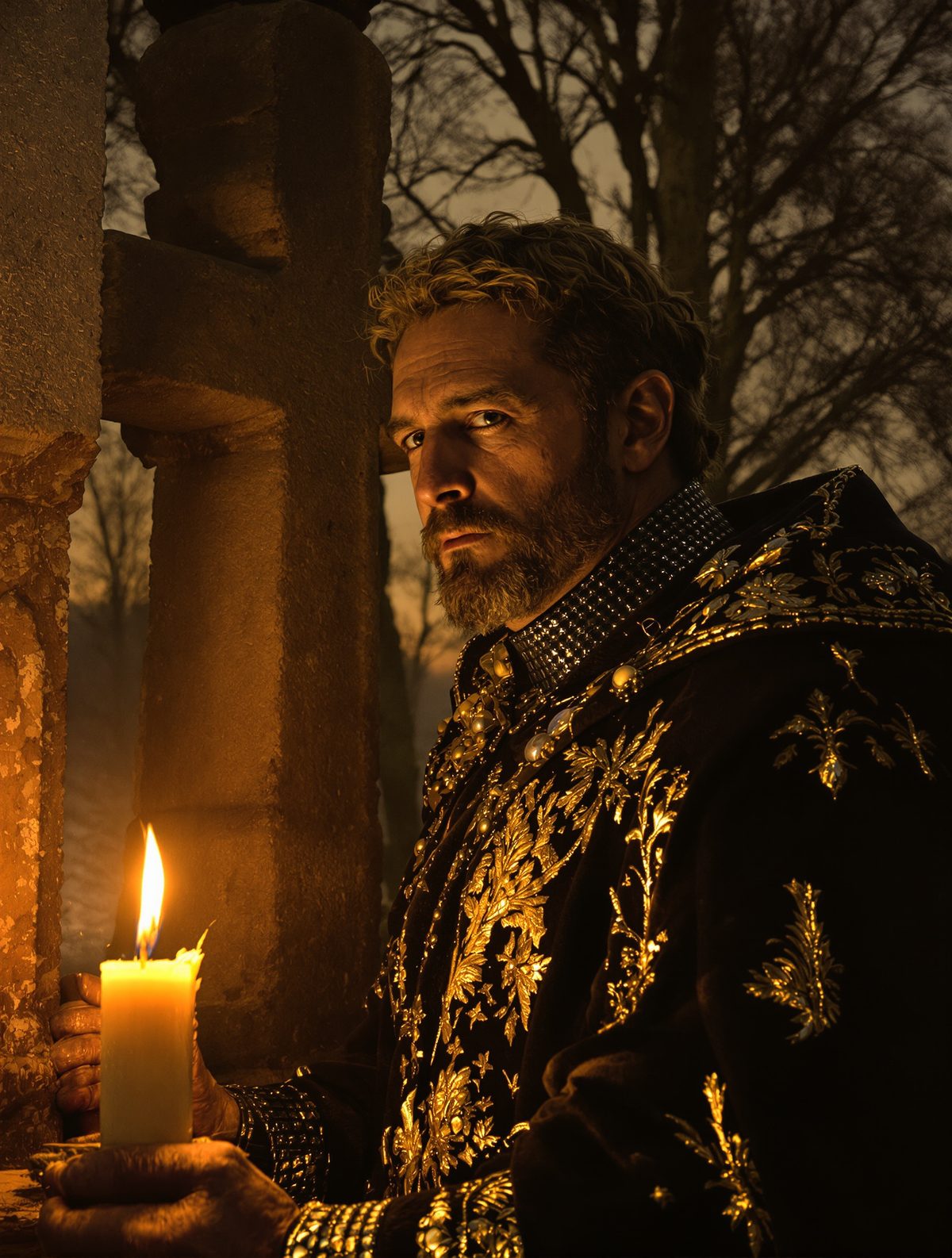
The final journey of Eleanor of Castile, wife to King Edward I, is a tale steeped both in profound grief and majestic grandeur. In November 1290, amidst the chill of an early winter, the solemn king set out on an extraordinary quest, one that would etch an enduring mark on the English landscape and hearts. It was a journey through which love and loss were immortalized in stone, a journey mapped by crosses that stood as silent sentinels of a monarch's mourning.
The Death of a Queen
By the autumn of 1290, Eleanor of Castile had spent 36 years as the devoted consort of Edward I, sharing the burdens and glories of a crown that demanded much of them both. Born in Castile, Eleanor was destined for royalty, bringing with her a duchal inheritance that strengthened England’s holdings and a matrimonial alliance that cemented political bonds. Yet beyond the realm of duty and diplomacy, theirs was a marriage bound by genuine affection, an uncommon warmth that those around them remarked upon.
Eleanor's unexpected death in Nottinghamshire, as she accompanied her husband on royal progress, was a blow felt keenly throughout the realm. Despite their wealth and power, the couple was not immune to the period's harsh realities. Her death on November 28, 1290, marked the end of a partnership built on decades of shared triumphs and trials.
A Loyal Effort: The King's Remarkable Tribute
The grief-stricken Edward could not bear to leave Eleanor behind in Nottinghamshire. Driven by love and respect, he accompanied her body on an arduous 200-mile journey to Westminster Abbey, overriding the constraints of royal propriety and military duty. King Edward’s journey with Eleanor was not just one of transporting a queen's remains but a pilgrimage of poignant devotion and remembrance.
At every stop along their nearly two-week journey, Edward commanded the construction of a stone cross to commemorate his wife. These crosses, known today as “Eleanor Crosses,” served as more than mere waypoints. They were majestic testimonies to a husband's profound mourning and relentless devotion. Of the original twelve, three stand today, each a unique blend of Gothic artistry and emotional testament.
Twelve Crosses, One Eternal Love
Twelve times the somber procession paused, and twelve times Edward ordered the erection of a cross. The crosses were erected at Lincoln, Grantham, Stamford, Geddington, Northampton, Stony Stratford, Woburn, Dunstable, St Albans, Waltham, and finally, Charing in London.
Perhaps most famous is the Charing Cross, which ultimately became a bustling center in London. Although the original was lost to time, a Victorian replica continues to mark the spot where tender remembrance bore royal witness. Each cross, once adorned with carvings of Eleanor and regal inscriptions, told tales not solely of a queen's life and death but of the endurance of royal love in medieval times.
The stone masons of the day poured their artistry into these creations, crafting spires and scrolls that whispered stories of Eleanor's grace and contributions. It's worth noting that the Geddington and Hardingstone (Northampton) crosses survive with substantial original detail, each inviting observers to step back into a medieval landscape shaped by emotional resonance.
A Lasting Legacy in Stone
Edward’s tribute went beyond creating physical memorials. By his actions, he redefined the way grief was expressed within the royal court. His public mourning was both personal and political, demonstrating the king's humanity and setting a precedent for how England might commemorate its beloved figures.
Eleanor’s lasting impact as a queen, supportive partner, and diplomatic force continues to inspire. Her marital relationship with Edward, one of genuine companionship and partnership, helped pave the way for future royal unions defined by care and cooperation.
Decades later, England would see the architectural magnificence embodied by the Eleanor Crosses as a precursor to the lavish tombs and monuments created for subsequent monarchs and their consorts. The legacy of a queen's death journey would echo through the corridors of history, bridging the medieval and the modern worlds of architectural commemoration.
Echoes of Edward and Eleanor Today
As the stones of the Eleanor Crosses bear silent witness to a royal love that dared defy time, they also serve as points of connection between the medieval past and our contemporary world. While much has changed, these historical emblems remain potent reminders of a marriage that transcended the political machinations of its age to forge a personal bond deeply cherished by one of England’s most commanding figures.
In exploring this poignant journey today, we find a king's devout tribute to his queen preserved in stone — humanity and royalty intertwined. Edward’s journey across England is more than a story of loss; it is a vivid reminder that love’s legacy, royal or otherwise, leaves an indelible mark on the world it touches.
The Eleanor Crosses challenge us to reflect on how we commemorate those we cherish, inspiring a renewed appreciation for the bonds that define our lives today. In a world ceaselessly moving forward, King Edward I's unwavering gesture of love for Eleanor beckons us to pause, remember, and honor in our own ways, bringing to life the best of a royal legacy that endures in stone and spirit.