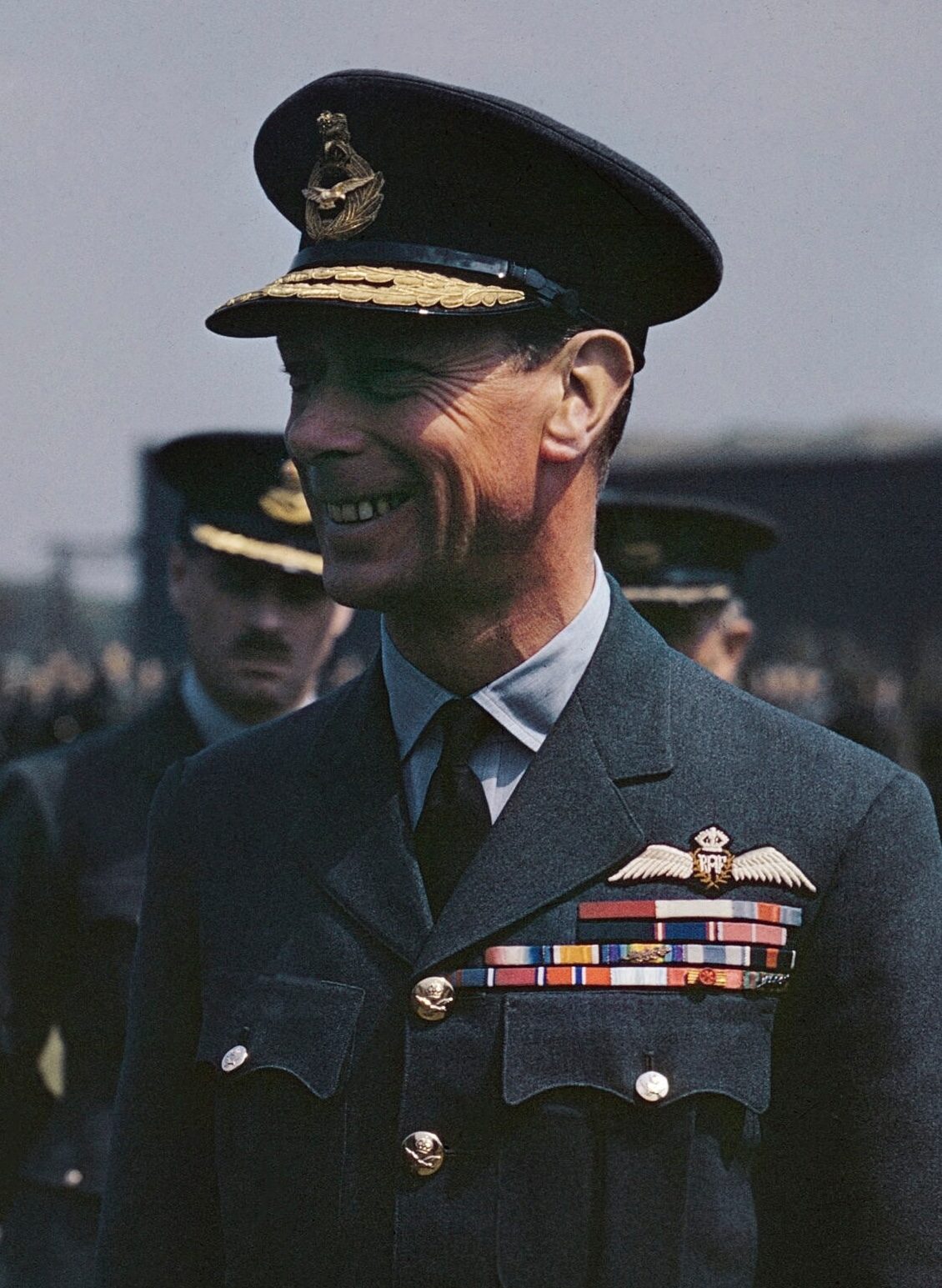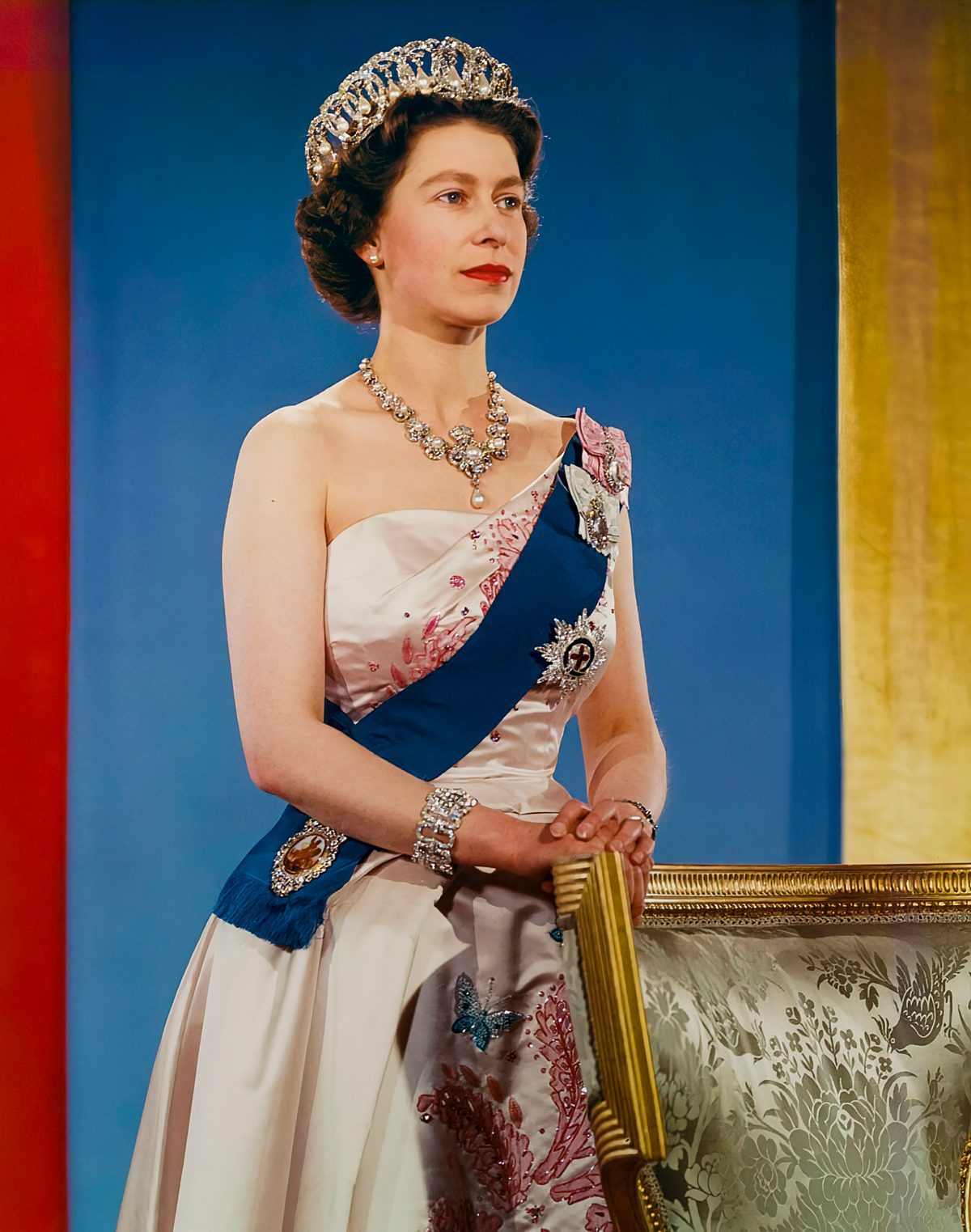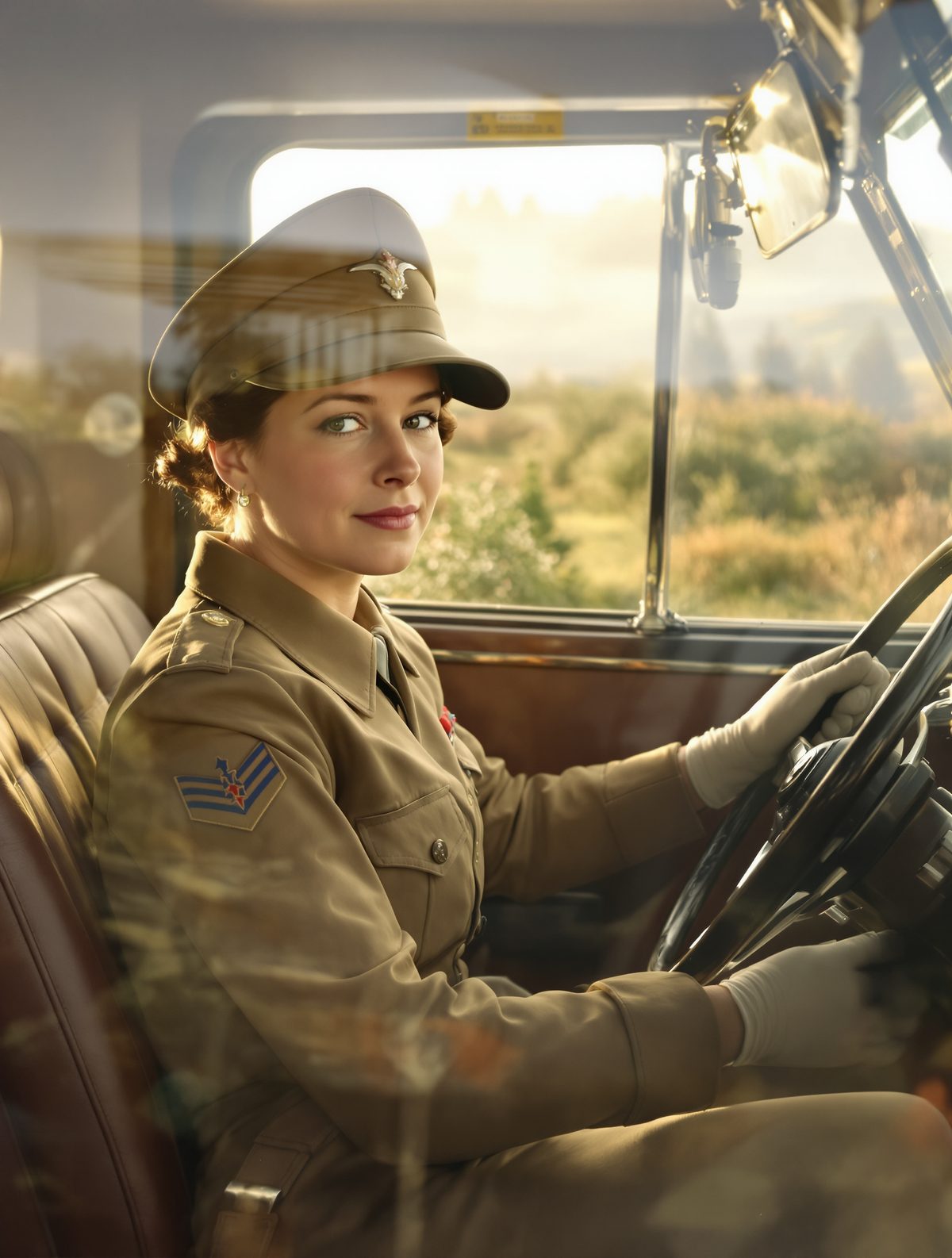
In the vast tapestry of royal history, some moments shimmer with a quiet brilliance, not for their grandeur or global significance, but for their enchanting simplicity and humanity. Picture this: the rugged, rolling hills of Balmoral, a crisp morning in 1944. An 18-year-old princess, dressed in the utilitarian khaki of her Auxiliary Territorial Service uniform, turns a well-worn steering wheel, guiding a car along the winding Scottish roads. In the passenger seat sits a king—a man of honor and resilience, a figure of exile yet dignity, King Haakon of Norway. This seemingly ordinary act of driving to church held extraordinary meaning, a story woven into the fabric of royal lore, remembered tenderly by King Haakon himself for years to come.
A Princess in Uniform: Elizabeth's Wartime Role
By the time Princess Elizabeth, affectionately known as 'Lilibet' to her family, was steering that car toward Sunday service, she had already embraced her wartime role with earnest dedication. Joining the Auxiliary Territorial Service (ATS) in February 1945, Elizabeth was determined to contribute to the war effort alongside her fellow countrymen and women. She trained rigorously, learning to drive and maintain vehicles, skills that would serve her well not just in the ATS, but in fostering a deeper sense of connection with her people. A princess and a mechanic; it was an emblematic juxtaposition that underscored her burgeoning sense of duty.
Her time in the ATS was a formative period, marking Elizabeth's transition from sheltered princess to a young woman ready to embrace the complexities of public service. It was during this time she demonstrated a spirit of egalitarianism rare for someone of her stature. Choosing to drive King Haakon herself was not just about proving her capabilities; it was a gesture of personal hospitality and mutual respect, setting the tone for future engagements with other head of states.
Balmoral: Where History and Heritage Meet
Nestled in the Scottish Highlands, Balmoral Castle has long been a beloved royal retreat, cherished by Queen Victoria and Prince Albert, and every monarch thereafter. It is here, amidst the serene heather-clad hills, that Princess Elizabeth spent many a summer, learning the intricacies of estate management, engaging in outdoor pursuits, and absorbing the timeless traditions of her family. Balmoral was, and still remains, a place where formalities of court life could relax into familial camaraderie, where sovereigns could find solace from the public eye.
The setting of this particular episode at Balmoral only amplifies its charm. The castle not only served as a refuge from the pressing national matters in London but also as a venue for quiet diplomacy and nurturing relationships with kin from across Europe. During World War II, when King Haakon sought asylum in Britain, Balmoral offered an ideal backdrop for this rare royal connection and an even rarer mode of transportation for such a distinguished guest.
King Haakon of Norway: A Monarch in Exile
King Haakon VII of Norway, a revered figure across both his homeland and Britain, was living in exile during the tumultuous years of World War II. Having fled Nazi-occupied Norway, King Haakon and his government continued to support the Norwegian resistance from London, never yielding their dream of a free Norway. In Britain, he found allies, sympathy, and even kinship—Queen Maud of Norway was born as a Princess of Wales. His close relationship with the British royal family was more than mere niceties; it was rooted in shared values and mutual respect.
Being driven by Princess Elizabeth during his visit to Balmoral was a memory Haakon cherished, as it symbolized a warmer, familial interaction amidst the backdrop of war. It was emblematic of the deep personal bonds forged beyond political alliances. To Haakon, Elizabeth was not just any princess; she represented hope, resilience, and the continuity of enduring ties between nations.
The Significance of Small Gestures
At first glance, an eighteen-year-old princess driving a car might seem a trifling anecdote in the grand narrative of a future queen's life. Yet, it is precisely in these intimate moments the true character of the monarchy shines bright. Elizabeth's decision to personally drive Haakon to church reflects the understated yet profound ways the royal family has sought to build bridges—through personal touches, acts of service, and genuine connections.
This story has been lovingly recounted through the years, capturing the imagination and admiration of those who see beyond the royal protocols to the human stories nestled within. It reminds us that the impact of the monarchy is not solely in its grand public gestures but also in the quiet acts of kindness and humility, which build the story of a loved and respected queen even before her reign began.
Connecting the Past to Today
In today’s fast-moving world, this moment of history resonates as a testament to the enduring values of duty, service, and humanity—the same values Princess Elizabeth upheld throughout her long reign as Queen Elizabeth II. In a time where connections across lands and peoples can often feel tenuous, the drive down Balmoral's lanes serves as a poignant reminder of our shared humanity, immortalized by two monarchs united in friendship.
Though decades have passed since Elizabeth took the wheel on that Scottish morning, the story speaks to the timeless essence of the monarchy. It bridges the gap between past and present, reminding royals and commoners alike that history is shaped not only by major events but also by the small acts of compassion and courage, leaving an indelible mark on all who bear witness.