The Morning Prince William Held a Stranger's Hand at Aberfan: a story not of words, but of presence. For the Welsh community of Aberfan, October 1966 marked the darkest day. It was the day a mining disaster claimed the lives of 116 children and 28 adults, casting a shadow that would linger over the village for decades. Amidst this narrative of sorrow and resilience, in 2012, Prince William made a journey devoid of fanfare or publicity. He quietly visited Aberfan, leaving his royal trappings behind to embrace the simplicity of human empathy. In the heart of this village marked by tragedy, the prince’s visit would be remembered not for eloquent speeches, but for the silent and powerful gesture of holding a stranger's hand.
A Journey of Silent Solace
In the early hours of a crisp morning in 2012, Prince William arrived at Aberfan, a name that echoes hauntingly within British history. Unlike his usual duties performed under the gaze of cameras, this was a personal pilgrimage. There were no official announcements, no photographers to capture the moment for history books, and certainly no regimented royal protocol. This visit was different—an intimate gesture rarely afforded by those bound to the public eye.
Aberfan, a small Welsh village nestled in a valley, continues to bear the scars of the 1966 disaster. The catastrophe brought the nation together in mourning, led by a royal family that has always shown compassion during times of national tragedy. On that day in 2012, Prince William, understanding the moment's solemnity, chose the path less traveled by public figures—the path of private remembrance and connection. This act exemplified the modern royal's dedication to compassion.
The Legacy of Empathy
The royal family, over the decades, has undeniably evolved, shaping and adapting its role from the traditional to the contemporary. While their duties once involved simply embodying the monarchy's grandeur, there is now a deeper, more relational mission at play. Princess Diana, Prince William’s mother, is remembered fondly for her ability to create bonds founded on empathy and concern for those struggling. William, following in his mother's compassionate footsteps, has continually emphasized mental health and emotional well-being, recognizing their roles in healing.
This unannounced visit to Aberfan was thus more than a formality; it was a testament to this very evolution. In the hushed conversations and tranquil solace of a village hall, the heir to the throne emulated the quiet strength Diana was known for—creating a space where silence communicated more than any words could.
A Moment of Undivided Support
Among the poignant moments of that day, the story of Prince William seated beside an elderly survivor stands out. The woman had lived through the unimaginable horror of the disaster, carrying an ocean of grief within her heart for decades. William sat next to her, sharing her space, enveloped in a shared silence that was at once comforting and profound. With her hand in his, they sat—embodying a silent solidarity, an acknowledgment of past pain and present strength.
This moment, devoid of any spoken embellishment, resonated deeply within the community. The prince's quiet presence, his choice to simply be with not just the sorrow but the survival of Aberfan, forged a connection that transcended the traditional role of the royal observer. It was this raw humanity that took precedence, crafting a memory that would remain etched in the hearts of those present.
The Monarchy's Heartbeat
Historically, royalty has been seen as somewhat aloof, their roles and responsibilities shrouded in ceremonial import. But the symbolic power of British monarchs has increasingly become less about the trappings of majesty and more about the essence of service. Prince William’s quiet journey to Aberfan exemplifies this shift—a monarchy of warmth, accessibility, and shared humanity.
This approach is not merely a nod to societal change; it is an intentional recalibration, a strategic effort to deepen the connection between the crown and the common people. The commitment to actively listen and engage with communities, especially those enduring tragedy or hardship, fulfills an essential royal promise: to be present, supportive, and compassionate.
The Enduring Symbol of Presence
The memory of Prince William’s silent presence in Aberfan extends beyond the year of his visit. It reinforces the enduring legacy of the monarchy as a living, breathing institution—one built not solely on grand state occasions but on moments of quiet support. As the world evolves, so too does the royal family’s understanding of impact. For generations, their narrative has been interwoven with the nation's journey, standing as figures of constancy in an ever-changing landscape.
In today’s age, where connection often transcends traditional barriers, the morning Prince William held a stranger's hand at Aberfan symbolizes more than comfort; it is an enduring tribute to the power of empathy, and a gentle reminder of the timeless values the royal family continues to uphold. Emphasizing the strength of presence over the spectacle, this act of kindness gently whispers a truth: even in silence, much can be said.
In the end, the crown's legacy is more than history; it is a tapestry of actions and moments like these that ensure its place, not just in the past, but in the hearts and minds of future generations. As Prince William carries the torch forward, he does so with a blend of tradition and modernity, signifying the royal family's evolving role as a cornerstone of support in the landscape of British life.
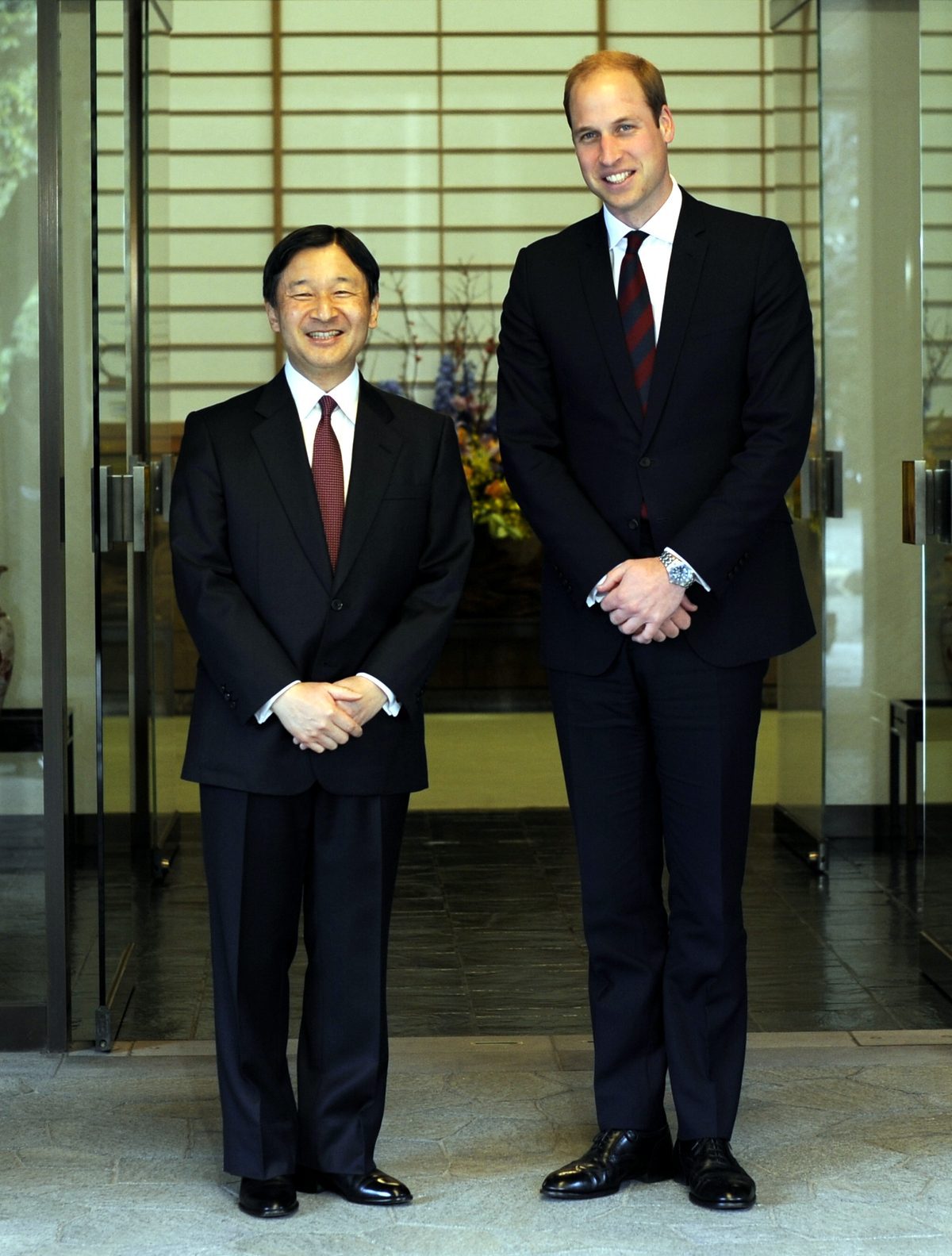
📷 Photo: British Embassy Tokyo / Alfie GoodrichUK in Japan- FCO. CC BY 2.0 via Wikimedia Commons.