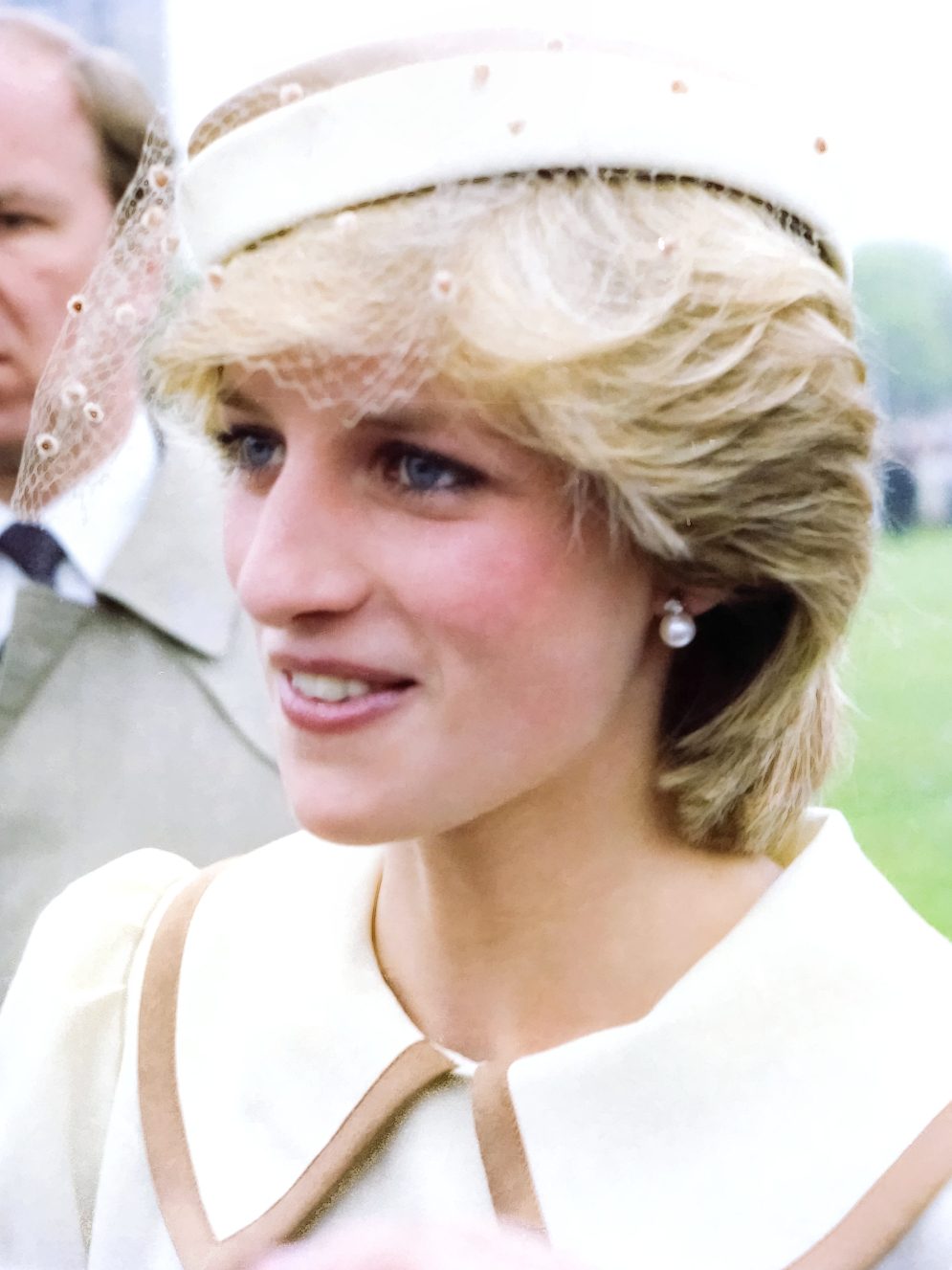
In the hushed tranquillity before dawn at the Royal Opera House, there was a moment when history and humanity intertwined. Here, against the opulent backdrop of royal protocol and tradition, Princess Diana experienced a slice of liberating solitude. She exchanged her crown for casual bliss, slipping unceremoniously into a leotard and trainers to revel in the pure joy of dance. What she felt on that empty stage was the profound exhilaration of self-expression—a joy that eludes so many trapped in the gilded cage of duty.
A Royal Departure from Tradition
The life of a royal is intricately woven with ceremonies, obligations, and costumes that demand reverence. Yet, in the heart of the 1980s, amidst the trappings of state visits and state dinners, Princess Diana sought refuge in the simplicity of a ballet class. These were occasions stripped of formalities, thus providing a landscape for the unusual—the Princess slipping in alone, an act of quiet rebellion.
Her choice of attire was symbolic, eschewing the customary tiara for comfortable trainers—a quiet protest against the constraints that came with her title. These moments offered a glimpse into how Diana redefined what it meant to be a modern royal. Her engagement with everyday activities painted a picture of accessibility and relatability, attributes that endeared her to millions around the world.
The Prelude to Absolute Joy: Diana and Wayne Sleep
Dancing was, for Diana, not just a pastime but a vital expression of her innermost self. In a regal setting, she chose the companionship of Wayne Sleep, a celebrated ballet dancer whose energy was as boundless as Diana's own spirit. On this particular morning, their sessions were private, shared only between a princess who craved normalcy and a friend who did not see her royalty but the person beneath.
The dance floor itself—free from prying eyes and press photographers—became a sanctuary. It was here that Diana could shed the expectations that came with her public persona. Their rehearsal began, and with every plié, pirouette, and pas de chat, Diana's smile grew wider, mirroring the lightness with which she moved across the stage.
"Dance is the hidden language of the soul," Martha Graham once said, and for Diana, every step was punctuated with liberation, capturing the imagination of a world that looked to her for grace in every stride.
The Anonymity of a Pre-Dawn Stage
While the rest of London remained cocooned in its slumber, the Royal Opera House stood as Diana's hidden temple of tranquillity—a paradox given its usual grandeur. It was her cocoon, amidst velvet seats and crystal chandeliers cloaked in darkness, awaiting the spotlight. The anonymity offered by the dawn transformed the grandiose into the intimate. This was Diana's court, where the only rhythm she followed was the one she created.
For a princess whose life was often dictated by obligations, these early hours gifted her the audacity of freedom. The experience was profound and personal, a departure from letting herself be governed by the calendar of courtly duties. This stage appearance, though bare of an audience, spoke volumes of Diana's graceful resilience, capturing moments far removed from the orchestrated engagements that defined much of her public life.
Resilience Through Movement
Against the swirling rumors of palace protocols and emotional battles, dance taught Diana the balletic finesse of moving forward—a lesson forged in elegance and inner strength. Ballet, with its disciplined demands, resonated with her desire for personal accomplishment devoid of a public appraisal. It was her solace, a creative space where she could explore identity far from headline scrutiny.
Within those classes, her laughter echoed through the hallowed opera house, restoring a vibrancy that had been dulled by relentless public life. Her choice to embrace the art of ballet was not just recreational; it was erudition—an understanding of oneself in new dimensions, stitching together the professional attire of the royal stage with the attire of personal joy.
A Lasting Impact on the Modern Monarchy
In Diana's unfeigned love for dance, she planted the seeds of a more relatable monarchy—one embodying inclusivity and authenticity. Her actions on that ballet floor illustrated a gentle subversion that expanded the regal narrative, rendering it approachable and human. The morning she laced up her trainers was a beacon for future generations of royals who follow her grace-filled path, embracing their individuality, unfettered by tradition.
As our gaze turns from the past to the present, Diana's legacy continues to amaze and inspire. Her decision to dance in the shadows revealed a luminous truth: being a royal doesn't necessitate conformity; it entails courage to find personal truth amidst the pageantry. Her steps on the ballet stage continue to reverberate through the corridors of history, offering a timeless tap on the shoulder to all those who seek authenticity in their unique dance of life.
📷 Photo: Russ2009. CC BY-SA 2.0 via Wikimedia Commons.