The Solitary Prayer of a King
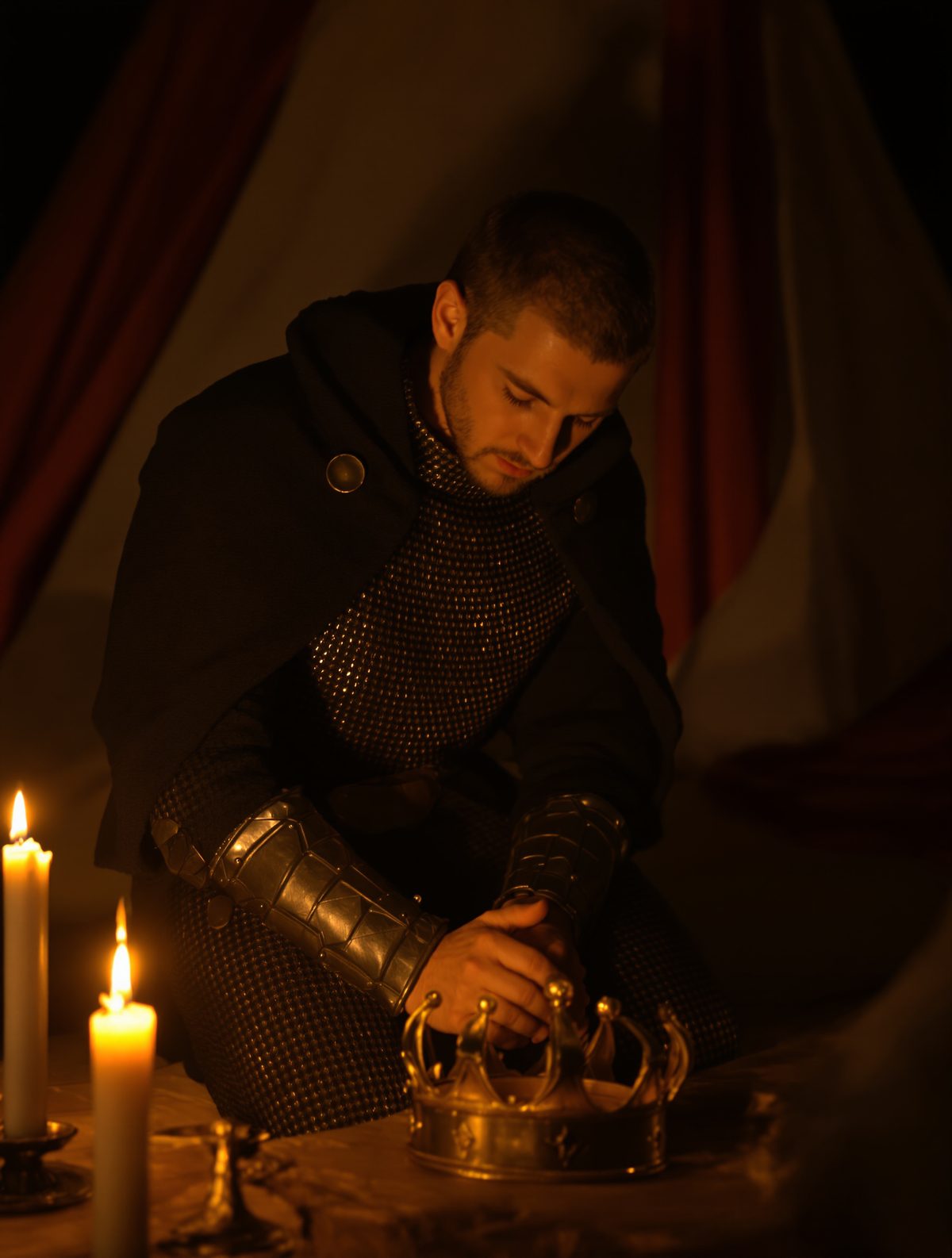
It was the eve of October 25, 1415, the night before the Battle of Agincourt, a fateful encounter during the Hundred Years' War that would etch Henry V into history as one of England's legendary monarchs. In a moment of profound solitude, Henry V dismissed his guards and advisors, stepping away from the familiar din of his military camp and into the silent embrace of the autumn night. He walked alone into the chilly darkness, through the mist and the mud, with only the stars bearing witness to his solitary vigil.
In what may have seemed an audacious move for a monarch on the brink of battle, Henry knelt on the damp ground, unshackled by courtly expectations or princely duties. Here, in the heart of France, the king prayed fervently. Surrounded by uncertainty, his heart ached with the burden of 6,000 souls under his command, many of them weary and unprepared for the overwhelming odds that awaited them—a formidable French army numbering around 36,000, poised to crush the English invasion.
The Weight of the Crown
Stood upon the cusp of his greatest challenge, Henry V was no stranger to the weight that kingship imposed. Crowned King of England in 1413, Henry's early reign was fraught with economic hardship and lingering disputes with France, remnants of the endless tussle for dominance that characterized the Hundred Years' War. Unlike the pursuits of chivalric romance that often pepper royal histories, Henry’s realm was mired in the urgent demands for unity, diplomacy, and strategic acumen. His ancestors had waged war on French soil for decades, and yet, it was upon this night before Agincourt that Henry’s vision for England began to crystallize.
Guided by a faith inherited from generations of devout forebears, and perhaps a healthy respect for the whims of destiny, Henry turned to prayer. The alleys of court intrigue, glittering banquets, and jeweled halls of governance were far behind him now, replaced by the raw, humble petition of a sovereign seeking divine guidance. The noble simplicity of that act reminded all who would come to know his story that beyond the emblematic crown lies the quiet humanness of prayer and reflection.
The Camp and the King
The royal court, transported to the makeshift camp of mud and canvas, reflected the stark disparity between majesty and reality. Set amidst a landscape steeped in the bloodlines of English and French aristocracy, Henry’s camp buzzed with subdued anticipation. The fine lines of English chivalry were smudged by rain-soaked tents and the anxious murmurings of men far from home. The banners of England might have waved above them, but the whispers of skepticism and fear shadowed their resolve.
Monarchs were expected to lead by divine right and unquestionable strength, yet Henry’s decision to bear his vulnerabilities before God that night reflected an unusual and profound humility. It was this grounding in faith, this personal communion away from the public eye, that provided a quiet yet potent source of strength. The English soldiers, many of them footmen and yeomen, would need nothing less than remarkable resolve and divine providence to challenge the sheer force of the French armaments.
The Battle Unfolds
As dawn broke on the day of battle, Henry V returned to his men, the resolve of the previous night’s prayer etched into his leadership. Clad in armor with the fleur-de-lis and leopards of England emblazoned across his chest, Henry epitomized the warrior king. His inspirational speeches and tactical ingenuity belied the tenuous odds and stirred the hearts of his followers with the promise of triumph against adversity.
The terrain of Agincourt, with its humbling landscapes and heavy mud, played to the favor of English longbowmen. The French, spectacularly armored yet encumbered by their own strength, found themselves at a disadvantage. Henry, astutely capitalizing on the circumstance, orchestrated a victory that would astound allies and adversaries alike. It was a pivotal victory that defied expectation, turning his army’s initial peril into a defining moment of English military prowess.
Legacy Beyond the Night
The night Henry V spent alone before Agincourt continues to resonate through the annals of history. It serves as an enduring testament to the power of personal faith, resilience, and quiet leadership—a lesson not just for those wearers of crowns, but for anyone poised before formidable challenges. Henry’s triumph at Agincourt did not merely settle scores—it cemented his legacy as a king whose human touch and strategic brilliance could transform near-impossible odds.
In an age when leaders are often seen through the prism of invulnerability, King Henry’s night of prayer stands as a striking reminder of humility and human connection. It is a beacon of hope for all, bringing to light the profound truth that even the weightiest of crowns benefit from moments away from the throne, under the stars, where the hopes of a king meet with the whispers of fate.
As admirers of the British monarchy, we look back not just at the pageantry and power, but the quiet moments of humanity that define its tapestry. In today’s rapidly changing world, Henry V’s timeless vigil at Agincourt speaks to the enduring need for authenticity and courage—a royal narrative that continues to resonate, inspire, and guide.