The Night Mary Queen of Scots Danced Before Her Execution
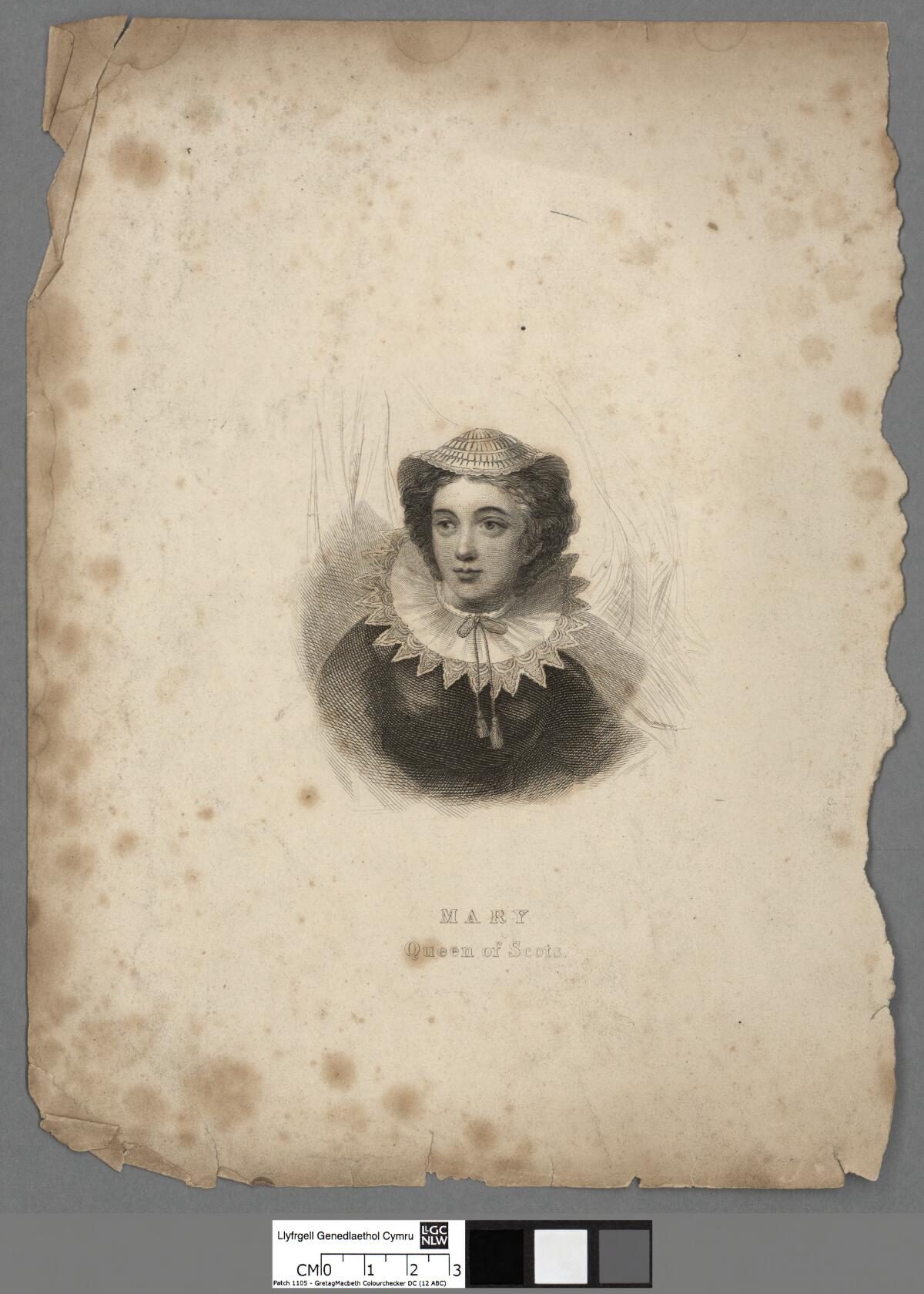
In the shadowed halls of Fotheringhay Castle, something remarkable occurred on the evening of February 7, 1587. Mary Queen of Scots, long imprisoned and condemned to death, chose to face her impending fate not with sorrow or anger, but with a serene dignity that would etch her story into the annals of royal history. While executioners honed their axes, the former queen summoned her attendants. She requested the haunting strains of a wistful melody, and there, beneath the flickering torchlight, she danced. It was a poignant act of defiance and grace, embodying resilience against the inevitable.
The Final Act of Defiance
Mary, a descendant of the once-mighty Stuart lineage, had lived a life rife with intrigue, political maneuvering, and a relentless quest for power. As a queen who had ruled over both France and Scotland, her life was intertwined with the grandeur and tumult that came with her royal station. By the winter of 1587, however, Mary's world had diminished to the cold confines of a gray English castle. With the weight of her death sentence upon her shoulders, one might have expected despair. Yet, in a move that surprised her jailers, she embraced the ephemeral beauty of dance.
History remembers that Mary, though stripped of her freedom, remained ever regal. Her choice to dance served not merely as a remedy against dread but as a statement of her indomitability. Her ladies-in-waiting, those loyal companions who had followed her through years of captivity, joined her in this poignant tableau. It was reported that tears sparkled in their eyes as they watched their queen transform the grim night into a stage for her courage.
The Symbolism of the Dance
The dance was not just an act of rebellion, but a profound reflection of Mary's complex life and character. Raised in the glittering court of France, she had been immersed in a culture where music and dance were not mere pastimes but woven into the very fabric of courtly existence. The ethereal movements of the dance that night resonated with personal meaning and echoed the vibrancy of her earlier years—a life now drawing to its inexorable close.
It was an expression of Mary's resilience and refusal to be broken by her circumstances. In that moment, she reasserted her agency, presenting herself as more than just a prisoner condemned, but as a queen alive in spirit, if not in title. As the music flowed through the cold, stone corridors, she danced not in defiance of her captors, but in affirmation of her enduring legacy.
Letters to the World
After the final notes had faded into silence and the hall resumed its ghostly quiet, Mary turned from dance to pen. She knew that her words that night would be her last chance to speak to the world beyond her prison walls. Throughout the night, she wrote letters—farewells and testaments intended for the most beloved and powerful figures of her life.
Among those letters was a note to her cousin, Queen Elizabeth I. Despite the political machinations that had pitted them against one another, there remained an undeniable connection forged by blood and mutual respect from afar. Mary also wrote to her son, James VI of Scotland, beseeching him to remember her not as a vanquished sovereign but as a mother who had loved him deeply and had fought relentlessly for his inheritance and future.
These letters were her final chance to define her narrative, to impress upon the annals of history her own version of events. With each stroke of her pen, Mary asserted her truth, preserving for posterity the dignity she so fiercely maintained in captivity.
The Legacy of a Queen
Mary's last night at Fotheringhay is remembered not just as a moment of personal resolve, but as an enduring symbol of monarchical grace and dignity in the face of adversity. Her final actions spoke to the heart of what it meant to be royal—unwavering poise, even when shadows loom large.
In the centuries that have passed, her story stands as a testament to the resilient spirit of those born to rule, enduring even beyond the thorns of their crowns. Mary's choice to dance on the brink of oblivion illuminates a deeper understanding of a bygone era's complexities, where the burdens of royalty were as profound as their privileges.
As lovers of royal history, we find ourselves drawn to these stories that connect us to a shared heritage, where the echoes of the past continue to shape the present. Mary's final defiant dance remains a powerful reminder of the monarchy's enduring human saga, intertwined with triumphs and tragedies that transcend time itself.
📷 Photo: Unknown authorUnknown author. Public domain via Wikimedia Commons.