It was a chilly December night in 2009, the kind of night that would make anyone grateful for a warm bed and a secure roof. But for Prince William, then a fresh-faced 26-year-old, second in line to the British throne, his choice of where to lay his head that evening was altogether different. What could have been a comfortable sleep at Kensington Palace turned into an unconventional venture on the streets of London.
Without his crown, without his title, but with a burning desire to understand the struggles of the homeless, William dressed in civilian clothes and traded marble halls for cold concrete. This was not for the glare of cameras or the sheen of publicity, but for empathy, a night to step into the shoes of those less fortunate and to carry that insight into his future endeavors.
Understanding the Vulnerable
The decision was more than a symbolic gesture; it was an immersive experience into the harsh realities that thousands face every night across the UK. William, who had inherited a legacy of empathy and public service from his mother, the late Princess Diana, sought to use this night as a lodestar illuminating the path of his public commitments. He chose to sleep near Blackfriars Bridge, an area familiar to those without a permanent address.
Amidst the bustle and the Christmas preparations that surrounded London, William lay cocooned in a sleeping bag, accompanied by Seyi Obakin, then Chief Executive of the homelessness charity Centrepoint. The charity, of which Diana had been a patron, was close to William's heart, reinforcing the association with his mother’s passions and weaving his life into a continued tapestry of committed charity work. It was a poignant reminder that royal bloodline doesn’t preclude one from taking direct action or facing discomfort in the service of understanding.
The Reality of the Streets
Young, poised but ever pragmatic, William’s stint on the streets was far removed from the gilded and guarded life of a prince. The night brought a taste of the harsh London wind and an unyielding cold that seeped into sleeping bags as he and Obakin conversed about the pressing issue of homelessness. The cold reality was not merely the temperature but the realization of the insecurity that blankets the lives of many.
The night was spent navigating not only discomfort but the unseen dangers and solitude that bedevil those who sleep rough. For William, it was a lesson encased in the raw, untempered truths of vulnerability and resilience. The resolve to spend that night outside the warm receptacles of familiarity was a powerful testament to his empathy and foresight — an intent to humanize and address the issues far removed from everyday royal duties.
The Path Forward
What happened after that night speaks to the true value of William’s humbling experience. The night spent on the pavement accompanied by the pervasive chill and vulnerability did more than open his eyes; it shaped his worldview and reaffirmed his commitment to initiatives targeting homelessness. He emerged not just with a story but with a renewed vigor to leverage his platform in tackling social issues.
In subsequent years, William has continually championed efforts to alleviate homelessness, aligning with initiatives and advocating for policy change. This encounter with stark realities transformed his engagement from symbolic patronage to a proactive inquiry into solutions. Prince William’s journey of understanding turned into action, representing more than mere royalty convening in benevolence, but a prince who heeds the call to service with a grounded perspective.
A Legacy of Empathy
The British monarchy is often a tapestry of rich traditions, historical roles, and a bridge between the past and the future. In living through trials of empathy such as this, William embarks on a journey echoing his familial legacy — one where the crown serves not only as a marker of privilege but a commitment to stewardship and societal advocacy. It channels a vein of compassion initiated by his mother and sustained through direct engagement with community concerns.
Not merely a figurehead, but an active participant, William’s night on the street serves as a model of empathetic leadership that speaks volumes to both his personal convictions and public roles. Through it, he brings within the walls of royal heritage a glimpse of the human struggles beneath society’s fringes — an enduring commitment reflected in his work since, and perhaps, an influence on the monarchy’s evolving role.
This night, far more than an anecdote of princely gallantry, reinforces an age-old yet ever-relevant royal ethos — that engagement with the community's struggles often illuminates the truest paths to noble purpose. The Prince's series of commitments to causes like homelessness, coupled with a night that may have changed his outlook forever, resonates far beyond the confines of London streets.
Prince William’s night in the cold helms the narrative that understanding the human condition in its raw form offers royal figures a rare glimpse into the lived experiences of the people they endeavor to serve, ensuring that the monarchy remains rooted in the hearts of its people.
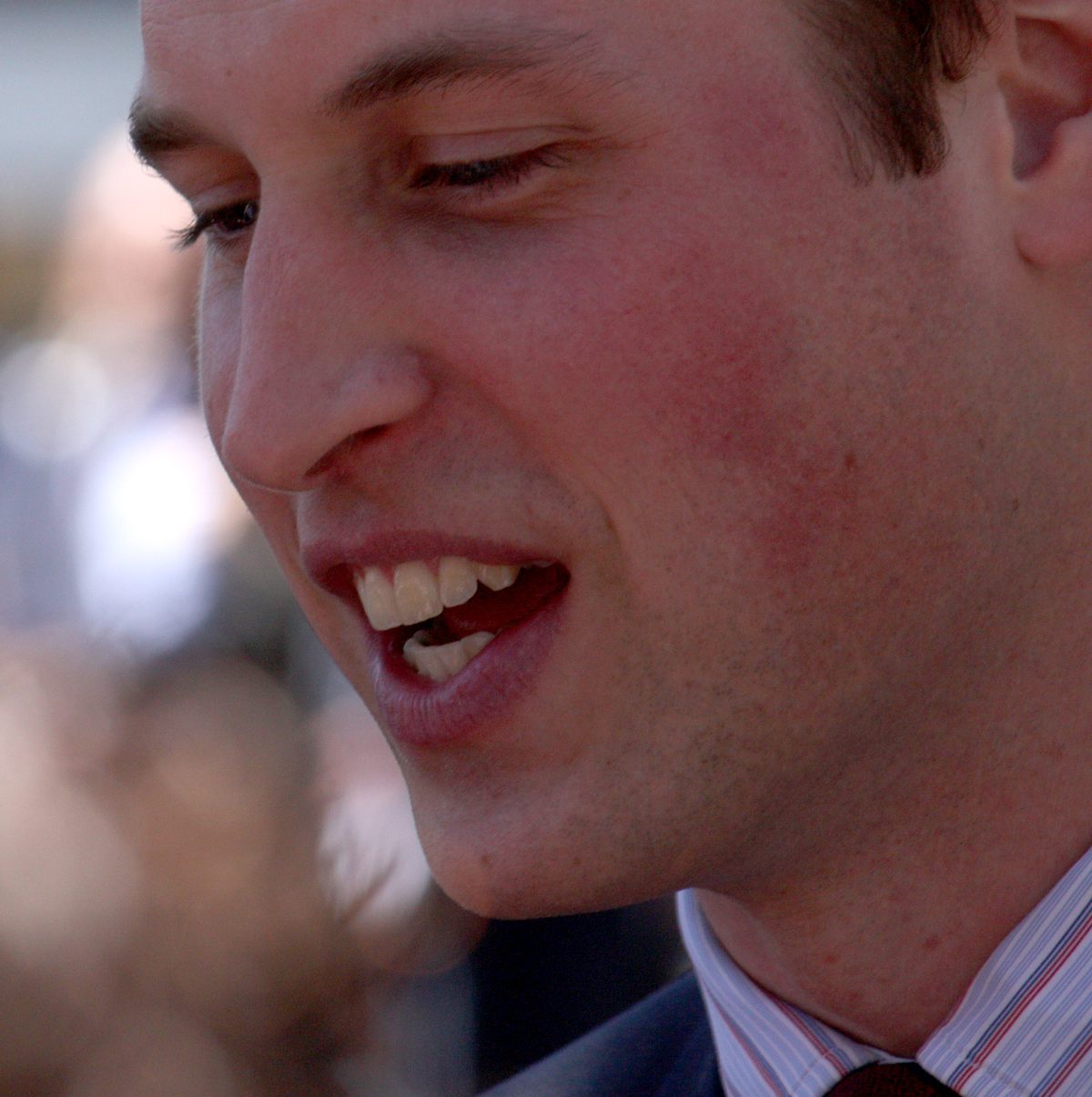
📷 Photo: Newsbie Pix. CC BY 2.0 via Wikimedia Commons.