One crisp evening in the 1990s, amidst the whirr of flashbulbs and the gentle murmur of excitement that accompanied royal visits, there unfolded a moment that would leave an indelible mark on everyone present. Princess Diana, the People's Princess, attended what was supposed to be a brief visit to a children's hospital. The event was meticulously planned — from the exact number of patients she would see to the last handshake, as timed as one might expect when royalty graces the public. But what the schedule couldn't predict was Diana's innate ability to connect, her instinctive empathy that transcended the structured confines of her role. And it was here, in a small, brightly lit room, that she found herself changing plans — in a way that only she could.
Breaking the Royal Protocol with Compassion
The royal calendar was packed, as it always is with engagements that demand not just attendance but performance. Under the shadow of towering institutions and ancient traditions, Princess Diana stood out with her approachability and unwavering compassion. On that particular evening, she was guided along the polished linoleum floors of the children's hospital, greeted by crisp hospital uniforms and hopeful glances. Nurses and doctors assembled, hoping for a little magic that Diana seemed to carry wherever she went.
When she entered a child's hospital room, Diana noticed a frail young boy lying nervously in his bed. The boy was a mosaic of wires and tubes, visibly shrinking away from this unexpected visit. His wide eyes, peeking just above the folds of the hospital blanket, told a story of fear and fragility that needed no words.
Instead of positioning herself at a comfortable distance or hovering above like an ethereal figure of authority, Diana did something wholly unexpected. She sat down on the cold, tiled floor, her dress gracefully fanning around her as she lowered herself to his level. In that moment, rules of royal engagements flickered out of focus, and all that mattered was the silent communication between a compassionate princess and a scared little boy.
A Symbolic Gesture of Empathy
This wasn’t the first time Diana had bucked tradition and it wouldn’t be the last. Her tenure as part of the royal family was marked by small, poignant acts that collectively painted a portrait of a woman who was deeply in touch with the people. When she chose the floor of that hospital room, she wasn’t just making a choice of physical position; she was making a profound statement about equality, understanding, and human connection.
"Wherever there is suffering, she saw not just subjects, but kindred spirits." Princess Diana’s genuine humanity broke down barriers, and this empathy resonated far beyond traditional royal duties.
The boy slowly turned his head, curiosity piqued by the Woman on the Floor with the kindest eyes. It was a sight that one doesn’t quickly forget. Slowly, gently, Diana began to speak to him, her voice carrying warmth and softness. She didn't ask much of him, aware that his world was one of beeping machines and medicinal smells, but she remained, a steadying presence amidst the sterility around them.
When Time Stood Still
Onlookers, from aides to hospital staff, watched in reverent silence as time seemed to stretch. The ticking clock was forgotten, and Diana’s engagements elsewhere were quietly postponed. Who could rush the hand of a Princess so visibly fulfilling her deeper duty? What followed was a slow transformation — the boy’s initial tension seemed to melt, and eventually, he managed a small, hesitant smile.
For his weary parents, lingering nervously by the door, it was a moment of profound relief and gratitude. Their son had not just met a princess; he had made a friend. For Diana, it was one more thread in the rich tapestry of lives she had touched, demonstrating the monarchy’s ability to adapt, to care, and to act beyond conventional expectations.
The Ripple Effect of a Single Act
Diana’s personal touch that evening found its way into countless hearts, encouraging a dialogue about how monarchy and service interlink. Her willingness to cut through formalities and simply be with those in need inspired others within and beyond the royal circle to reconsider how they engaged with the public.
This incident beautifully illustrates how a moment of unexpected empathy can cast ripples across generations. Diana’s influence, deeply personal yet profoundly public, created discussions about the softer, human side of monarchy that endures even decades later. The People's Princess did not just change the way royals were perceived; she redefined the power of kindness as an inherently royal trait, planted firmly at the heart of her legacy.
A Legacy of Empathy that Endures
Today, Diana’s legacy of selfless compassion continues to inspire the royal family’s charitable endeavors. Her sons, in particular, carry forward her ethos — embracing causes related to mental health, children’s hospitals, and hospices. These endeavors shine a light not on royal stature but on royal substance, emphasizing the value of presence and kindness.
The evening Diana sat on a hospital floor was more than just a deviation from schedule; it was a moment that crystallized the essence of her royal journey. As we reflect on her indelible mark on the world, we’re reminded that true nobility is found not in the elevation of self, but in the willingness to sit where others may fear to tread, at eye level with those in need.
In an ever-evolving world, Diana's legacy serves as a beacon that the monarchy can be both timeless and timely, an institution that advances with the hearts of its people as the true measure of its greatness. Her influence, a beautiful testament to the power of empathy, remains woven into the modern royal narrative, echoing in corridors of hospitals and halls of palaces alike.
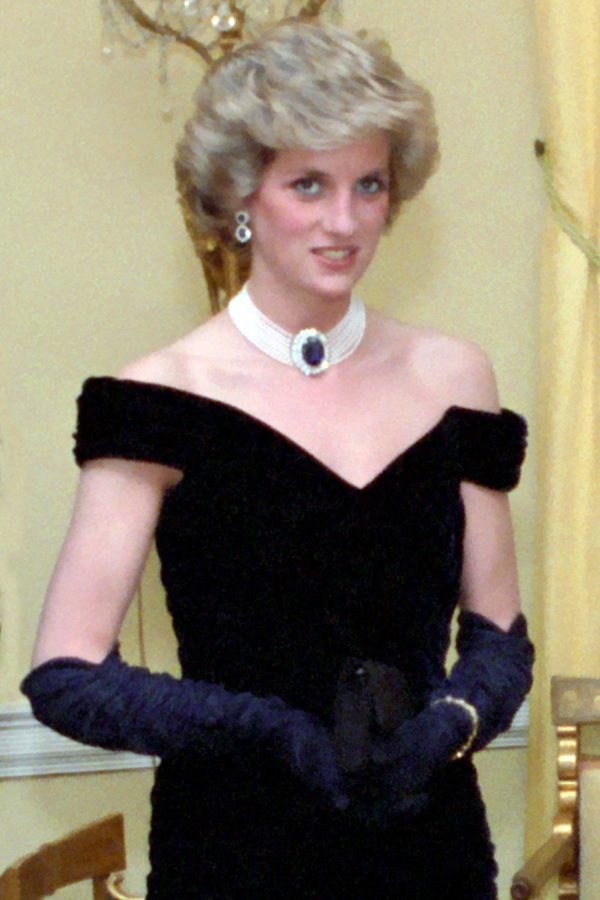
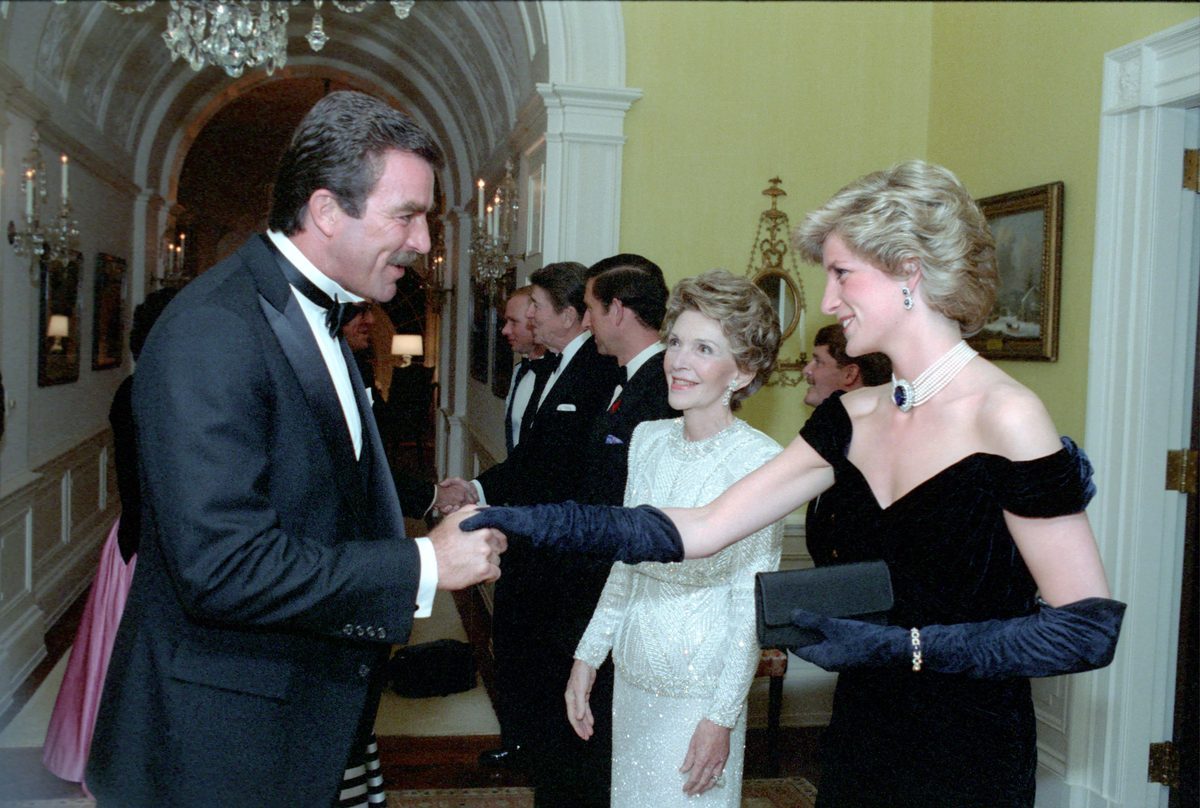
📷 Photo: Series: Reagan White House Photographs, 1/20/1981 - 1/20/1989 Collection: White House Photographic Collection, 1/20/1981 - 1/20/1989. Public domain via Wikimedia Commons.