In the glimmering twilight of an English February, anticipation lay thick in the crisp evening air outside the Royal Albert Hall. It was a night not unlike many others. A mélange of stars had descended, draped in sartorial masterpieces, echoing grandeur and allure. Yet on this particular evening, one figure would emerge to define not only the event but a moment in time, forever altering the world's perception of her. The Duchess of Cambridge, often depicted as reserved and restrained, chose to make her most compelling statement yet — with fabric, color, and the grace of her presence.
The Journey to the Red Carpet
Since their epic wedding in 2011, Catherine, Duchess of Cambridge, faced the inevitable nexus of adulation and scrutiny that accompanies royal life. Thrust into an environment steeped in tradition, she was often criticized for being too demure, too understated, and at times, unfairly overshadowed by the towering legacies within the House of Windsor. In those early days, news outlets would dissect her appearances with fervid intensity, sometimes to help, and other times to hinder. Yet through it all, Catherine remained a symbol of quiet tenacity, embracing her role with grace and diligence.
The British royal court, with its storied past and charismatic figures, has long influenced fashion and global culture. From Queen Victoria's trendsetting white wedding dress to Princess Diana’s sartorial elegance, what royals wear is not merely clothing but a communication tool — each fabric, cut, and style carrying implied meaning and legacy. Catherine was acutely aware of this narrative canvas. As she prepared for the BAFTAs on that chill February evening, she opted for more than just a dress. She chose to announce her own evolution.
The Scarlet Revelation
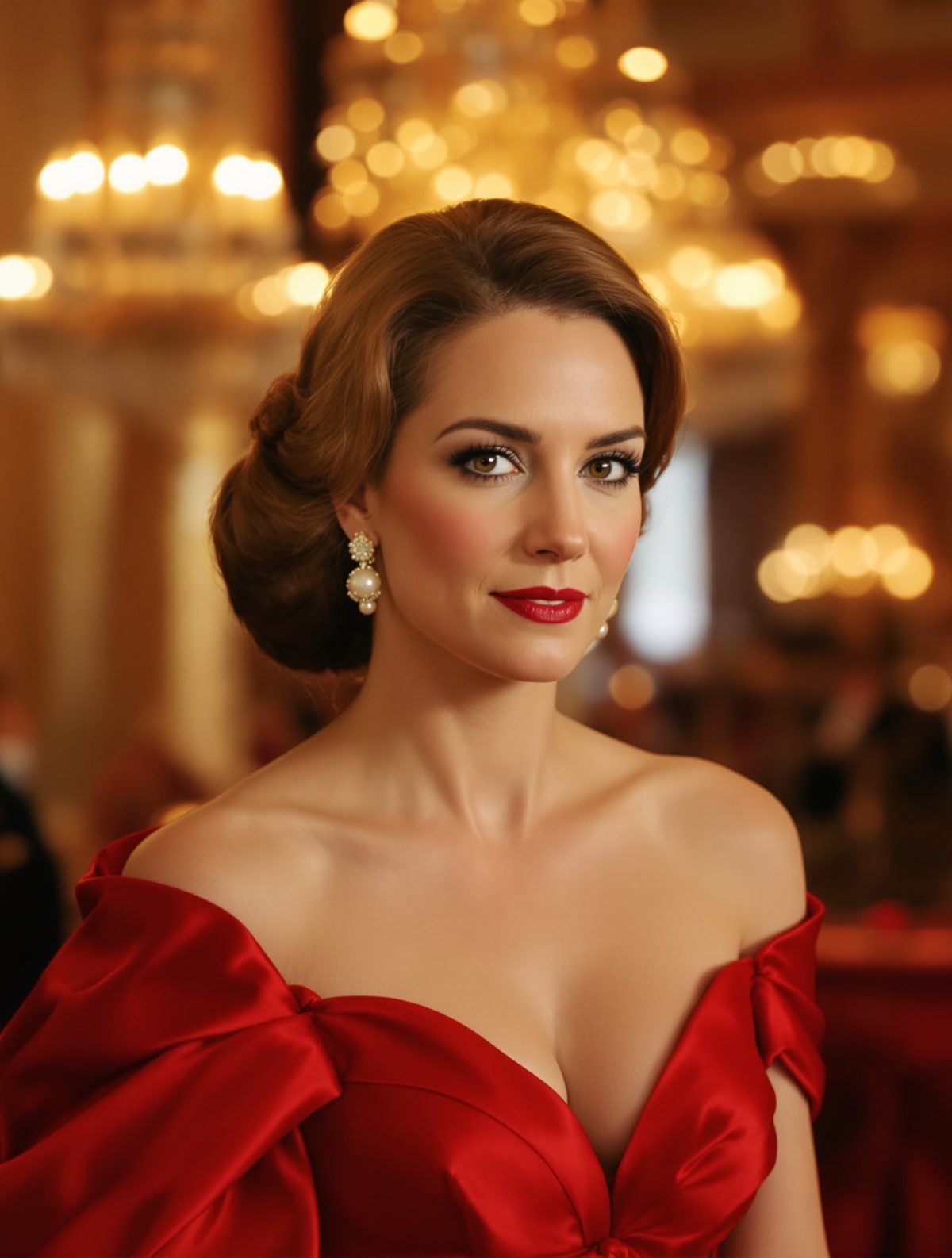
As Catherine glided onto the red carpet, the impact was instantaneous. Emerging from her vehicle, she was a vision in scarlet — a color historically rich with connotation. Scarlet, with its associations of power, passion, and, in royal lore, magnificence. The gown, an impeccably crafted Alexander McQueen piece, epitomized modern elegance fused with a nod to regal history. It was an echo of strength dressed in layers of silk — the piece fluttered and hugged in the most strategic places, allowing Catherine's regal elegance to shine through uninhibited.
Naysayers who had criticized her previous wardrobe choices fell silent; words were superfluous against the statement she made through shimmering, bold simplicity. Scarlett represented not only a color choice but also a declaration: a move away from the shadows and into the light, affirming her place in a history that she herself was actively shaping.
A Symbolic Choice with a Legacy
The selection of Alexander McQueen as the designer was equally significant. The label, synonymous with British innovation, had been previously worn by Catherine when she donned a ravishing McQueen creation for her wedding day. The house of McQueen, notable for its craftsmanship and imaginative prowess, was the perfect collaborator for the evening — an emblem of national pride and pioneering design.
“Fashion is not something that exists in dresses only. Fashion is in the sky, in the street, fashion has to do with ideas, the way we live, what is happening.” — Coco Chanel
Catherine's relationship with fashion reflected this sentiment, evolving beyond garments into a statement about refrain, empowerment, and reinterpretation of the traditional role of a duchess in a contemporary world. This was a gown that did not just flatter, but also revolutionized perceptions. It manifested Catherine’s quiet evolution from often-curated royal engagements to crafting her own narrative through subtle, yet unyielding, strength.
Setting a New Standard
The red-gowned evening offered a variety of visual delights for the throngs gathered outside the esteemed location and for those following from afar. Admirers and pundits alike spent the following days praising Catherine’s fashion choice, although, more significantly, they started to see Catherine herself — a woman stepping confidently out of the past and into a future she was helping to mold, vibrant and assured.
This marked a turning point not just in wardrobes, but in narrative trajectory. Catherine became the embodiment of an evolving monarchy, balancing modernization with a tribute to established elegance. It was as if with that seductive scarlet, she had not only captured hearts but had also placed an indelible print on historical fashion archives.
The Impact of The Gown
In retrospect, the gown served more than its aesthetic duty. It foresaw Catherine’s deepening role in philanthropic endeavors, her emphasis on mental health awareness, and her steps into maternal roles that would touch millions. With each subsequent engagement, from tender visits to local charities to resonant global initiatives, those moments on the BAFTAs red carpet illustrated a blistering vitality; the duchess had rewritten her role with a poise that demanded and received respect.
A Cycle of Elegance and Empowerment
History has often spotlighted royal women who broke molds through their attire, their actions, and their bravery. Elizabeth I's armor dressing, Queen Victoria’s new wedding garb tradition, and Princess Diana’s sartorial surprises were all dressings not only of their persons but emblematic of the power they wielded. Catherine’s 2012 BAFTAs gown falls into the continuum of these heritage moments — a reflection of modernity, womanhood, and an unwavering nod to her ambitious role within the monarchy.
Today, the impact of that scarlet gown is felt not just in archival photographs or royal fashion retrospectives, but also in any appearance Catherine makes. Her choices continue to resonate, representing more than mere attire, symbolizing faith in tradition, styled innovation, and a consistent reminder of the transformative power of clothing. It is a legacy and a story that resonates through each of her choices, echoing the past while striding confidently into the future, ever in resonance and dialogue with the public she serves.
For those who watch with fascination, Catherine's journey, once marked by silence, is now eloquently narrated through her seamless, understated yet powerful command of style and grace — a story, in its own right, that was forever rewritten on a chilly February night in 2012.