The Weight of a Crown During Tragedy
It was October 1966, and the eyes of the United Kingdom—and indeed the world—were fixed on a small Welsh village named Aberfan. A monumental tragedy had occurred: a coal waste tip had collapsed, burying an elementary school and claiming the lives of 116 children and 28 adults. The tragedy shook an entire nation to its core. In the aftermath, a chorus of voices questioned why Queen Elizabeth II had not immediately rushed to the scene. Little did they know, her response—though late—would be marked by a profound display of humanity that cameras never captured.
For a monarch known for her stoic composure, the Queen's reaction was uncharacteristically emotional. This visit to Aberfan, days after the television cameras stopped rolling, carried a depth of quiet compassion rarely visible to the public eye. Although her initial delay was criticizable, the empathy she showed during her visit to this bereaved village would never be forgotten by those who bore witness.
A Late Yet Lasting Visit
Initially, the Queen's decision to not immediately travel to Aberfan was strategic, suggested by her closest advisors who feared that her presence might detract from recovery efforts. However, this choice opened her to criticism, a rare occasion for a monarch who was otherwise well-attuned to the pulse of the public. Four days after the disaster, Elizabeth II embarked upon what would be one of the most emotionally taxing royal visits of her reign.
Dressed somberly, she was guided through the devastated community. Silence hung heavy as she walked amid the grieving families and bowed her head in respect for the victims. While the world saw the Queen keeping her regal composure, the real story unfolded behind closed doors. Her journey did not solely consist of public appearances; rather, she intimately connected with the survivors on a deeply personal level.
An Unscripted Moment of Humanity
There, in the heart of a miner's simple kitchen, the Queen found herself far removed from the grandeur of Buckingham Palace. With no photographers in sight, she offered her condolences, holding the hand of a mother who had lost her child. Those present spoke of witnessing the Queen expressing a vulnerability unprecedented in her public life. It was in this kitchen, amidst the aroma of tea and the faint sounds of grief, that the monarch wept.
The chairs in the miner's front room didn't resemble royal thrones, but the Queen didn't need grandeur for her empathy to shine. As she listened to stories of lost dreams and futures unrealized, her tears fell silently. For people unaccustomed to seeing their Queen cry, this rare moment resonated profoundly. It was a testament to her genuine concern—a side that protocol often concealed.
Putting Humanity Over Ceremony
This moment was not included in official records or press briefings; yet, it lingered in the memories of the few who witnessed it, a reminder that royalty does not preclude one from deep human empathy. There were no scripted speeches, no formal arrangements—just a shared human experience that transcended titles and statures. It's one of the many instances that cemented Queen Elizabeth II's legacy as not just a figurehead, but a symbol of dignified compassion.
This unscripted moment of humanity stands out in a lifetime of official duties and ceremonial engagements. True to the very essence of her reign, Queen Elizabeth made it abundantly clear on that night that she was a Monarch dedicated not just to her royal duties, but to the people who called her "Queen."
Reflections Connecting Past to Present
Decades may have passed since that fateful day in Aberfan, yet the impact of Queen Elizabeth II's visit remains poignant. Her delayed but deeply human reaction is a lesson in leadership and compassion that continues to resonate. In an era of 24-hour news cycles and social media, it’s easy to overlook the quieter, more substantial human connections that define leadership.
As modern royals navigate public scrutiny, the Queen’s visit to Aberfan offers a model of how to balance public duty with personal empathy. It reminds us that while monarchies might appear unchangeable, the true strength of any leadership shines brightest when empathy compels action, even after the cameras have stopped rolling.
Through her tears in a mining village's kitchen, Queen Elizabeth II forever imprinted a lesson on the world: sometimes, the most powerful acts of reign are those fueled by quiet, deeply felt compassion. A beacon of understated strength, she continues to inspire generations with the same regal grace she carried that poignant night, her legacy a tapestry woven with threads of both duty and humanity.
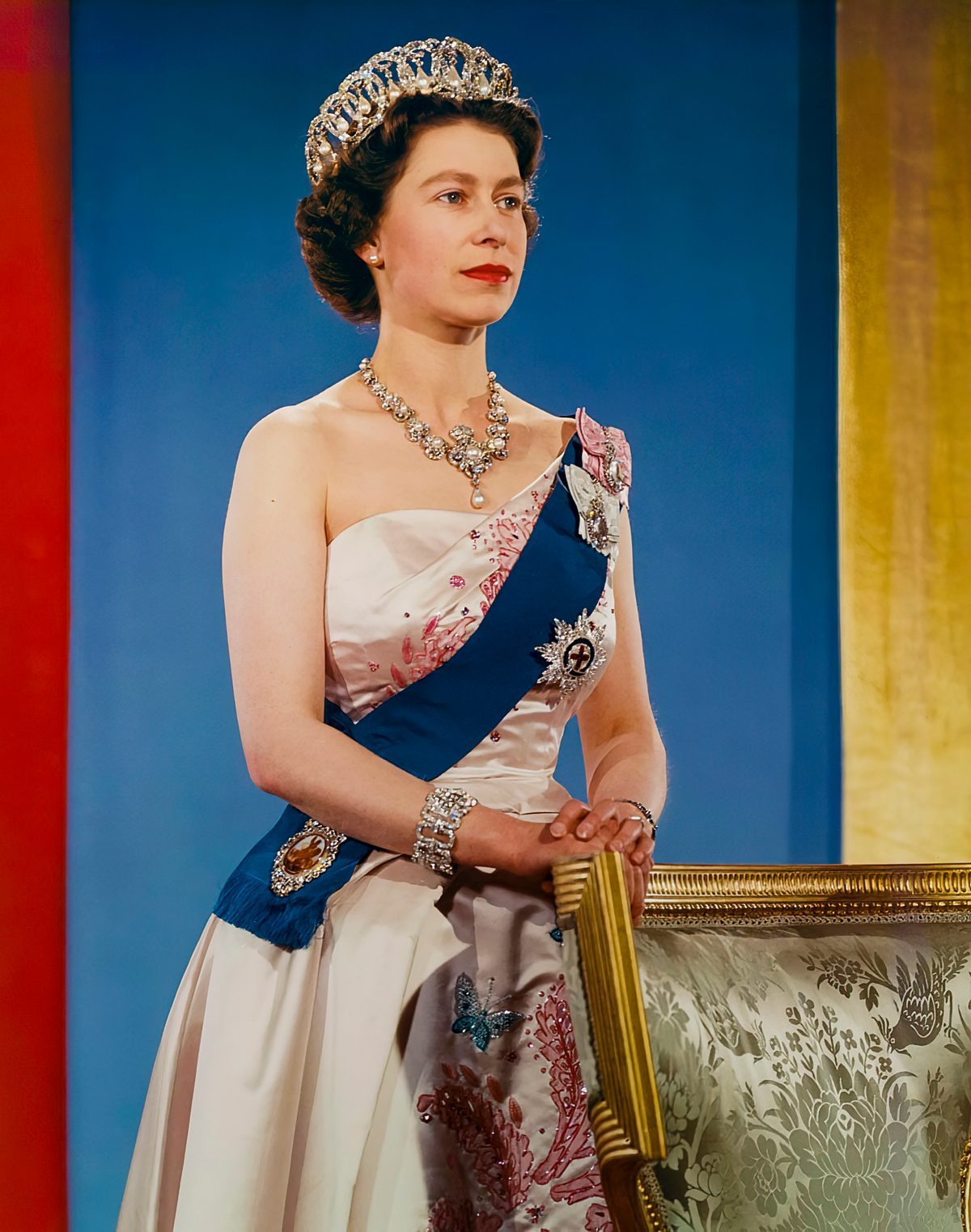
📷 Photo: Donald McKague. Public domain via Wikimedia Commons.