The Night Queen Mary Refused to Cry at Her Son's Abdication
When King Edward VIII renounced the throne in December 1936, the British monarchy faced one of its gravest challenges of the 20th century. However, amidst this national cataclysm, there was a smaller, more personal tragedy unfolding in the heart of the royal family. The stoic presence in the eye of this storm was his mother, Queen Mary. In this moment of acute familial and royal crisis, Queen Mary displayed not only resilience and dedication but also revealed the indomitable character that made her a revered figure among monarchists. Let’s explore how Queen Mary, the matriarch of the House of Windsor, remained anchored through the chaos that reshaped the British monarchy.
The Abdication Crisis
The year 1936 is etched in history as the year of three kings. It began with the rule of George V, followed by his son Edward VIII, and ended with the ascension of George VI. The seismic shift in the monarchy was brought about by Edward VIII's determination to marry Wallis Simpson, an American divorcee. This decision confronted the Crown with a constitutional quandary, challenging the traditions and values it stood for.
Queen Mary had devoted her life to upholding the dignity and continuity of the monarchy. Born into the Teck branch of the royal family, she married the future George V and had established herself as a pillar of the royal tradition. With Edward VIII’s proposed marriage deemed unacceptable by the Church and political establishment, Queen Mary understood the severe implications of his insistence. She was a mother, yet she was also the Queen Mother, and loyalty to the throne transcended personal ties.
Composure in the Face of Crisis
When news reached Queen Mary that her son was adamant about his decision, she received it alone in the quiet solitude of her royal chambers. This was not her first encounter with heartbreak. Having navigated the hardships of World War I and the loss of her beloved husband, her life had been a testament to duty. It was duty, too, that guided her now.
On the evening of December 10th, 1936, as Edward VIII signed the Instrument of Abdication, Queen Mary spent the night writing in her diary. The austerity of her words belied the depth of emotion she must have felt: "It is a terrible blow to us all." Yet, this night, she did not weep publicly; her grief was private, her constitution robust.
It was the silent restraint and stoicism of royalty—a mother harnessing her personal despair to preserve the dignity of a crumbling monarchy.
The Legacy of Duty Over Personal Despair
On December 11th, the very day her eldest son ceased to be king, Queen Mary returned to her typical royal duties. Her way of managing grief was through purpose. Many noted how she greeted the unfolding events with exceptional composure—a testament to her rigorous belief that personal feelings must take a backseat to the greater responsibilities of her station.
While Edward sought love over duty, Queen Mary embodied the sacrifice that comes with being a royal. She exemplified the endurance required to sustain a thousand-year-old institution amid personal turmoil. Her steadfastness was not merely for show; it was her core belief. To the public and to her family, especially to the new King, George VI, she offered an unspoken support that was beyond comforting—it was foundational.
Mother and Monarch
Queen Mary’s relationship with Edward was complex. Though she was undoubtedly disappointed by his choices, she never publicly denounced him. This restraint reflected her understanding of royal propriety and her enduring love as a mother. Despite the abdication, their bond, albeit strained, endured. She was a woman of remarkable grace who demonstrated that strength in silence is sometimes the loudest declaration of love.
Moreover, as George VI took the throne, her role was crucial in providing stability and support. Her confidence in him was unfaltering, and her presence provided the comforting knowledge that someone who had lived through the vicissitudes of royal life was standing firmly in the wings.
The Unseen Impact and the Royal Legacy
Queen Mary’s reaction to the abdication and her subsequent actions offer an illuminating portrait of a woman at the heart of British royalty. Her resilience ensured that the crown transitioned smoothly, despite the unexpected turn of events. This stoicism and forward-looking vision impacted the monarchy's survival, paving the way for a lineage that endured throughout the 20th century and beyond.
In reflecting on the night she refused to cry, we see an enduring lesson of duty over sentiment, characteristic of the monarchy she dearly loved and protected. Her legacy is not just one of porcelain figurines and imperial tiaras, but of an unyielding reverence for duty and public service.
Today, when we look upon the modern-day royal family, the echo of Queen Mary’s strength is unmistakable. It's the same vigor that has permeated through generations of Windsor. Her story, with its unique blend of maternal compassion and regal duty, remains a poignant reminder of what the crown stands for beyond the grandeur and solemnity—an unfaltering commitment to service and the strength to carry on, no matter the personal cost.
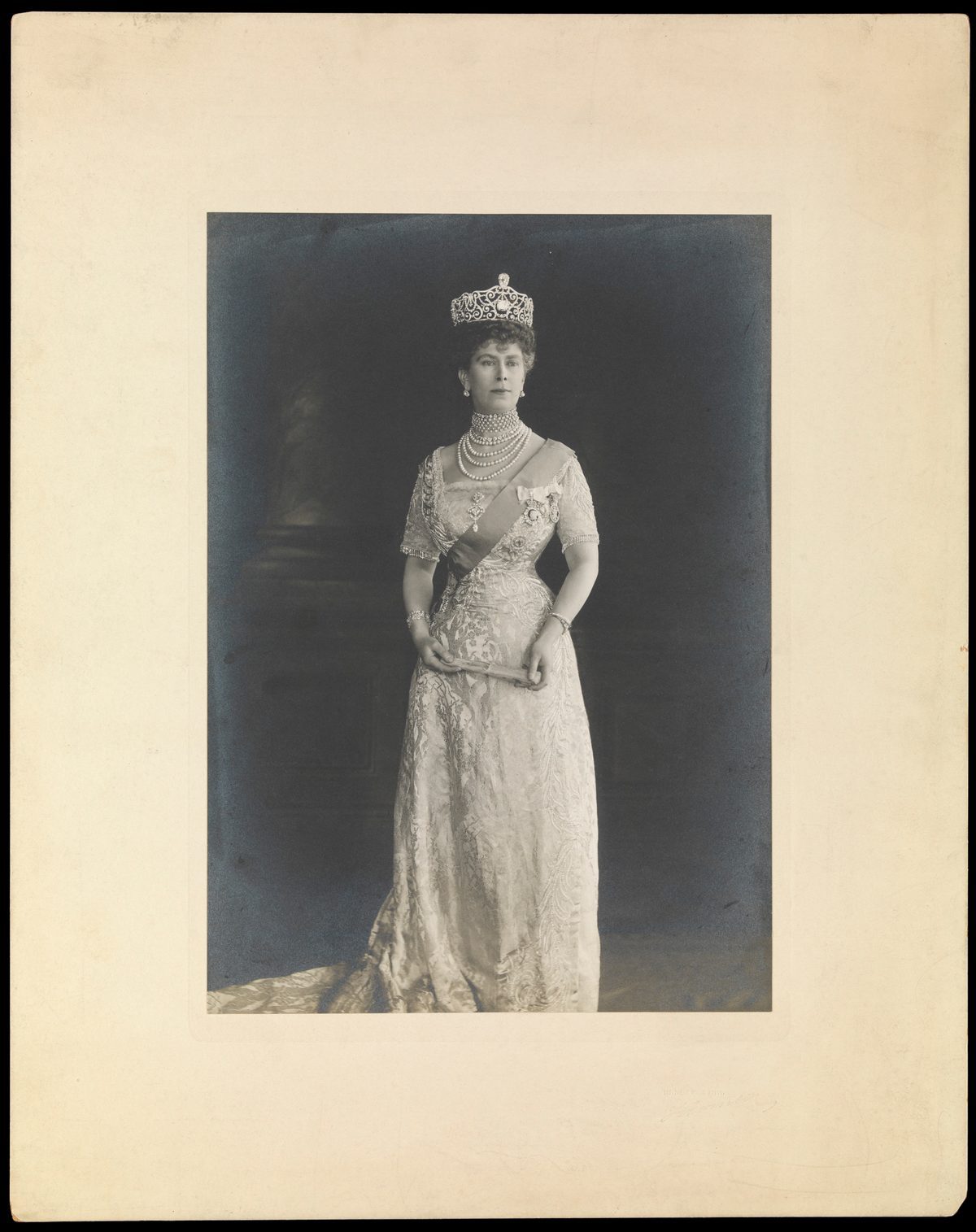
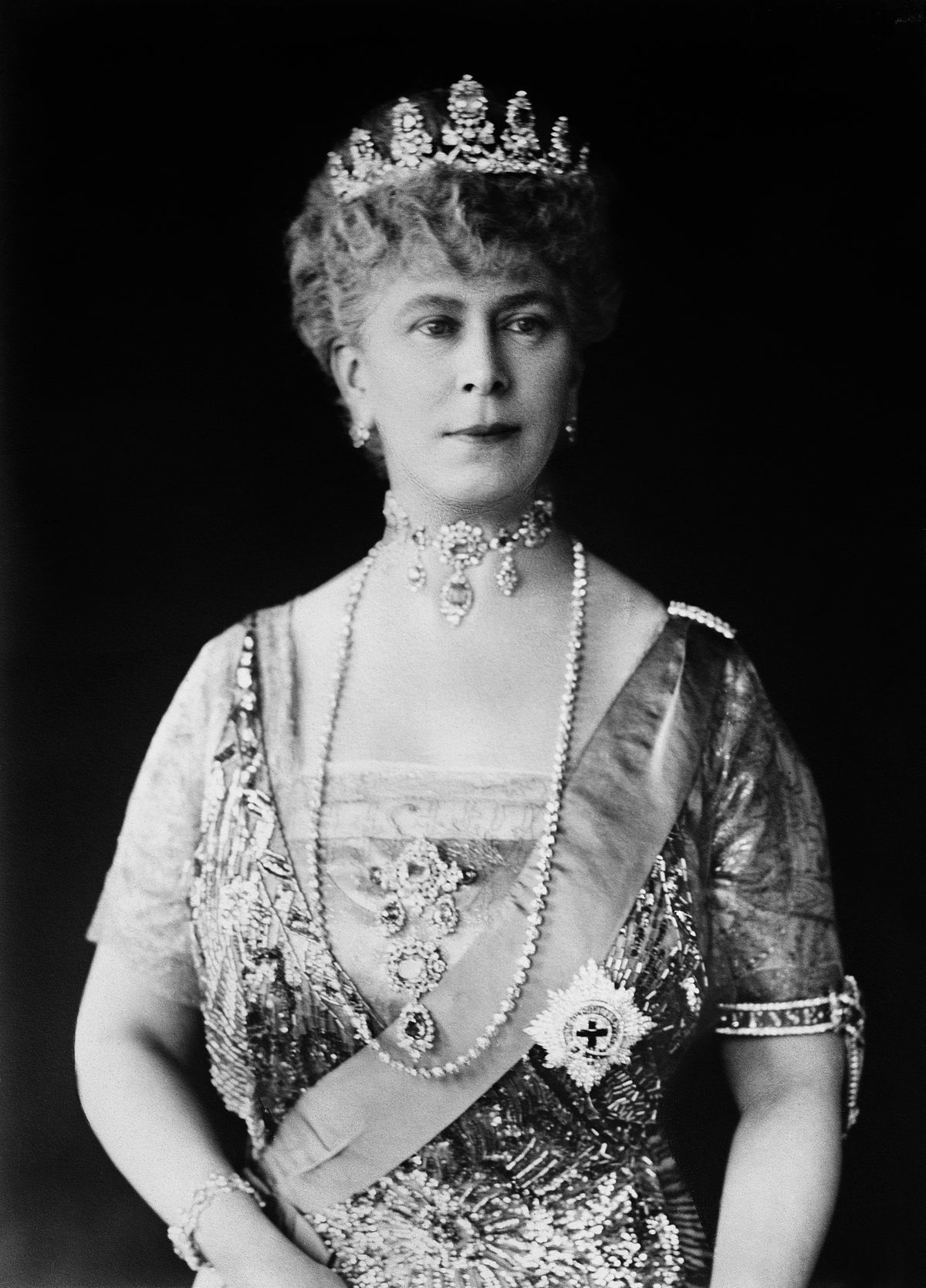
📷 Photo: Bain News Service; this edit (clean up, contrast & sharpness, slight crop and downsample) by mixpix 23:28, 5 January 2008 (UTC). Public domain via Wikimedia Commons.