While Britain was at war and the Palace consumed by duty and grief, Queen Mary quietly picked up her needles. She did not merely organise. She sat down and knitted herself — stitch by stitch — for strangers in the mud. What those soldiers wrote home about the gifts they received was unlike anything the Palace expected.
The Royal Court at War: Duty, Grief, and Unseen Acts of Kindness
The shadows of World War I loomed heavy over the palaces of Britain, casting a pallor that even the gilded halls of Buckingham Palace could not escape. The air was thick with a sense of urgency and solemn duty. The British monarchy was no stranger to public service, yet the magnitude of pain and loss during the years of 1914 to 1918 demanded a deeper connection to the nation’s people, particularly the brave men fighting on the front lines.
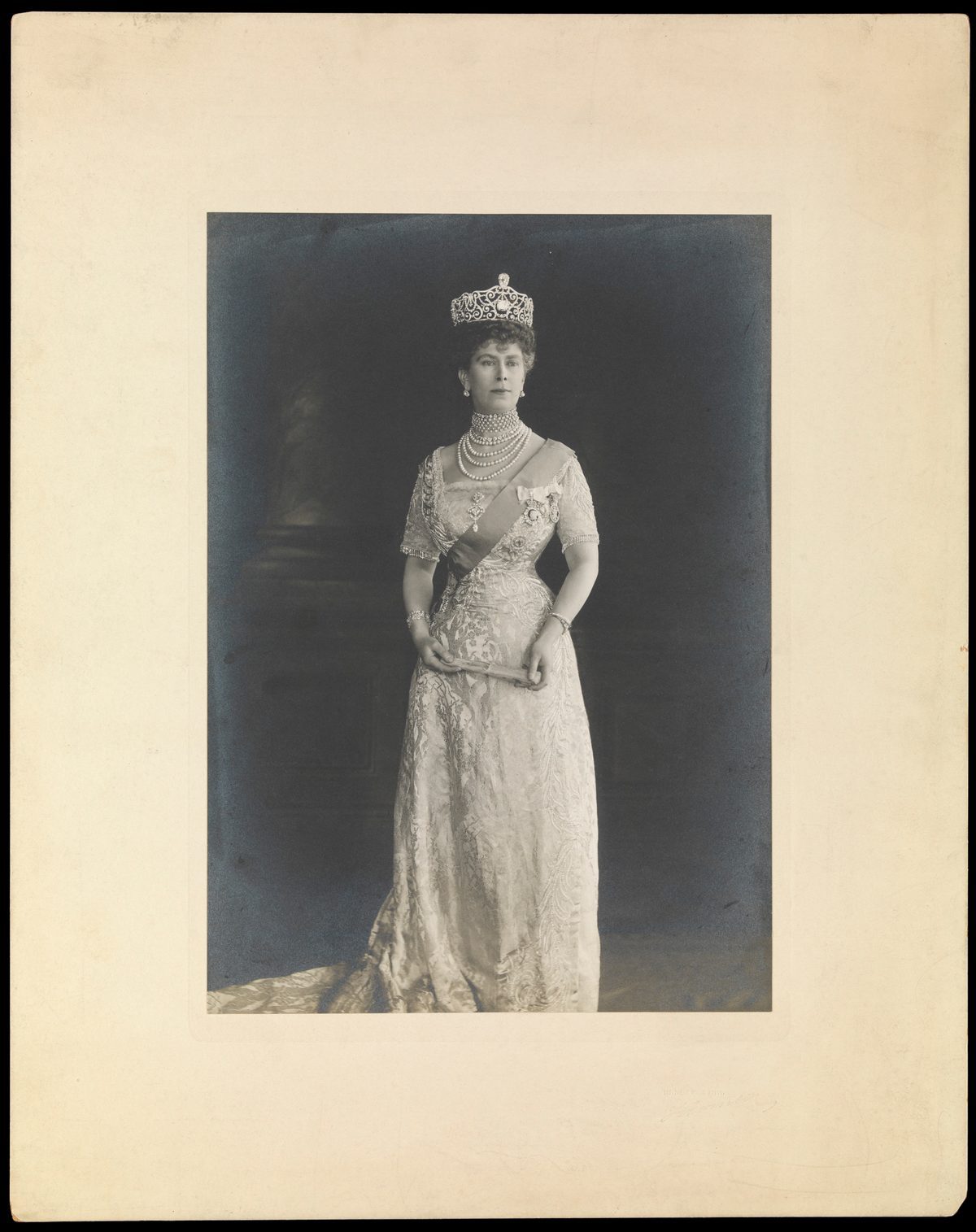
Queen Mary, consort to King George V, embodied this calling. She led by example, transforming her private grief into a public mission of compassion. Her decision to knit supplies for the soldiers was not an official duty mandated by the needs of the empire, but a personal one — a gesture filled with warmth and heartfelt sympathy for the sacrifices of her fellow Britons.
Needle and Thread: The Emblem of Devotion
Unlike the grand gestures typically associated with the royal family, Queen Mary's contribution was humble, yet deeply personal. Without the assistance of servants or palace delegates, she initiated an effort to provide tangible comfort to soldiers: hand-knitted socks and scarves. Each stitch, tirelessly completed by the Queen herself, was imbued with a silent message of gratitude and respect.
Long nights spent knitting in the quiet rooms of the palace became her sanctuary and outlet of peace amid the storm of war. It was in these simple acts of creation that Queen Mary found solace — and it was precisely this personal touch that deeply moved the soldiers who received her gifts. As these men were weathering the brutal conditions of trench warfare, receiving a hand-knitted gift from their queen was akin to a whisper of hope, a promise that their trials did not go unnoticed by the highest echelons of society.
Tears in the Trenches: A Royal Gift Received
The soldiers on the front lines were men of grit, accustomed to the hardships of battle and the bleakness of trench life. Despite their surroundings, there is evidence that many soldiers wrote home about these unexpected gifts, describing their profound impact.
"We opened our parcels at once, each containing a pair of socks, and what was our delight to find that on each pair was pinned a little scrap of paper, 'A present from Queen Mary.'" – A soldier's letter home
In the dark, oppressive world of the trenches, these gifts of warmth were more than physical comfort. They were a reminder of the compassion that traversed the gulf between the home front and the battlefield, a human connection that transcended rank and status. Many of those strong men who rarely allowed emotion to surface found themselves in tears, touched beyond measure by the acknowledgment of their struggles by the queen herself.
Weaving Threads of Unity: The Royal Legacy
Queen Mary's endeavors were not a solitary occurrence but became part of a larger tapestry of royal engagement. The act of crafting these gifts was emblematic of the broader support the monarchy provided during and after the war, with initiatives that encouraged unity and resilience across the nation.
The palace became a hub of activity with numerous war-related charities and support activities spearheaded by various members of the royal family. Queen Mary’s knitting inspired countless others to engage in their support efforts, galvanizing public spirit. These acts of kindness from royalty communicated a powerful message: in Britain's hour of need, every effort, no matter how small or humble, was invaluable.
The Everlasting Echoes of a Quiet Gesture
The impact of Queen Mary's handmade gifts reverberates through history, reminding us that even in times of great despair, profound humanity can emerge out of quiet gestures of kindness. Her actions illustrate the monarchy's unique ability to mobilize solidarity through acts of compassion and personal sacrifice.
Today, as we reflect on the past, we are reminded of the enduring relevance of empathy and service. The stories of Queen Mary's woollen gifts weave into today's royal narrative, showcasing how the smallest acts of kindness can leave the most enduring impressions. The legacy of that era continues to inform how the British monarchy engages with the nation, emphasizing the profound difference a personal touch can make in bridging distances and mending hearts.
📷 Photo: John Thomson. CC BY 4.0 via Wikimedia Commons.