It was meant to be a triumph — the most extravagant coronation Britain had ever seen. But as King George IV processed through Westminster Abbey in July 1821, something extraordinary was unfolding beneath the spectacle. A secret so painful, so personal, that his closest aides dared not speak of it.
The Grand Spectacle in Westminster Abbey
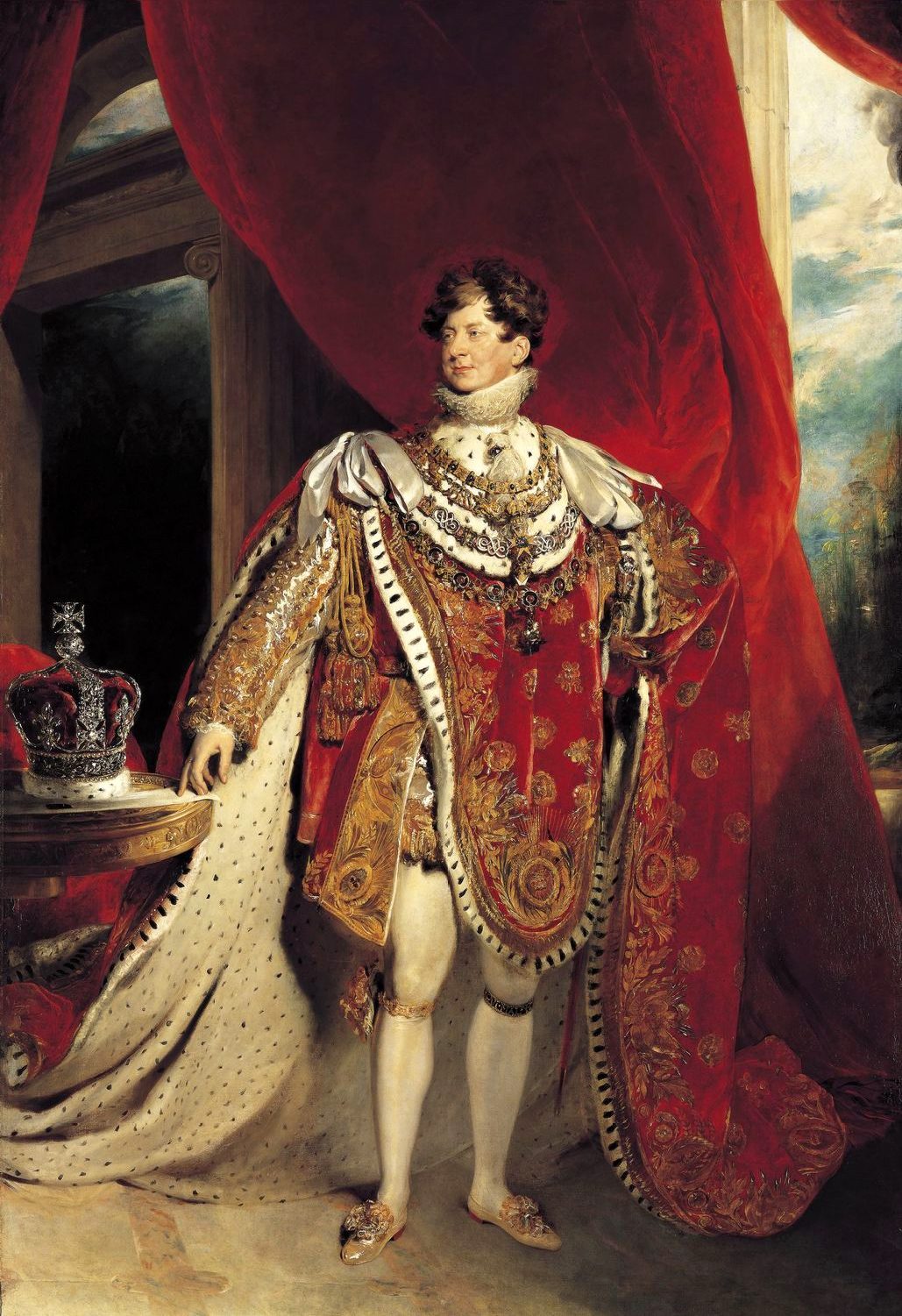
The coronation of King George IV was, by all accounts, the epitome of regal splendor. The ceremony in Westminster Abbey on July 19, 1821, was envisaged as a magnificent display to match the grandeur of a newly restored monarchy. The Abbey was transformed into a golden palace, resplendent with flowing robes, gleaming jewels, and trumpet fanfares echoing through its historic arches.
For this lavish event, no expense was spared. The King, known for his opulent tastes, had orchestrated every detail. Ornate robes embroidered with gold and silver thread, a veritable sea of guests bedecked in finery, and the sacred ritual of the service itself which would be witnessed by England’s elite—all set the stage for what was expected to be a flawless enactment of tradition and power.
Yet, behind the grand façade, King George IV bore a weight that no other man could carry. As the glorious strains of Handel’s “Zadok the Priest” swirled above, beneath his regal exterior he was battling inner turmoil—made all the more acute by a troubled body succumbing to relentless pain.
The Hidden Agony of King George IV
Underneath the heavily adorned garments, hidden from the eyes of his subjects and guests, the King was enduring a private misery. Gout, known as the "disease of kings," ravaged his limbs, rendering each step a torturous ordeal. His joints were inflamed, his body feverish, marking his every move with agony. Imagine, if you will, the incongruity of such fervent external celebration and the quiet, searing pain that was his constant companion.
Throughout the astounding six-hour ceremony, George IV stood, knelt, and moved as required by ancient rites, though barely able to bear the excruciating pain. Reports from those close to him suggest it was his supreme will that sustained him. His fortitude and devotion to duty were characteristics befitting a monarch who understood the symbolic power of his role.
Despite his physical suffering, his spirit soared, buoyed by the knowledge that in this moment, he embodied the very heart of the nation he served. Not one soul in the Abbey suspected the depth of his torment, so seamlessly did he mask it beneath a composed facade.
The Pageantry and Politics at Play
Beyond the ceremony's grandeur lay layers of political nuance. This coronation, so widely praised for its pomp, was also a strategic display of stability and power. Following the turbulent regency period and the Napoleonic Wars, George IV saw in his coronation a chance to solidify his legitimacy and reinforce the monarchy's importance in a rapidly changing world.
Moreover, the pageantry was not merely for British consumption; it was a message to the world that the British Crown still glittered with a formidable brilliance. Foreign dignitaries and guests were present, taking note of the king’s strength and the empire’s enduring prestige.
However, for the King, this day was more personal. He had weathered years of difficult relationships—most notably with his estranged wife, Caroline of Brunswick, who was notably barred from the ceremony. The coronation thus also symbolized his solitary triumph, marking both a personal and political milestone.
A Legacy of Splendor and Sacrifice
The grandeur of George IV's coronation has echoed through history, a testament to the majesty of monarchy, but so too does the story of his resolute endurance. His ability to perform the ceremonial rights while bearing immense personal suffering speaks to a broader narrative of duty over discomfort—a theme familiar in royal circles.
George IV’s coronation set a new standard for royal events, with its sumptuousness influencing ceremonies well into the future. The combination of lavishness with stoic resolve left an indelible mark on the institution he had dedicated his life to uphold.
The lesson within this extraordinary event rings timeless: it showcases the compelling human stories behind the splendor of monarchy, underlining the dichotomy between public expectations and personal challenges. George IV's narrative of grace under pressure resonates as strongly today as it did then, reminding us of the complex realities behind the storied walls of the palace.
Reflections from the Past to the Present
The story of King George IV’s coronation offers not only a glimpse into the opulent history of the British monarchy but also a poignant reminder of the deep personal sacrifices made by those at its helm. In his endurance, we find a reflection of the enduring spirit that defines the crown—an unyielding commitment to duty amidst adversity.
As we consider the legacy of King George IV, his fierce determination and regal presence continue to inspire the monarchy today. His coronation remains a symbol of resilience, an anthem of commitment that speaks to every subsequent royal who has donned the crown.
For readers passionate about royalty, George IV's story is a reminder of the captivating blend of humanity and history that continues to unfold within Britain’s most revered institution. As we celebrate the past and look forward to the future, we remain ever awed by the enduring brilliance of our regal heritage.
📷 Photo: Thomas Lawrence. Public domain via Wikimedia Commons.