For decades, Prince Philip was the embodiment of royal duty, known to the world as the stalwart support of Queen Elizabeth II: disciplined, brisk, rarely sentimental. Yet behind closed doors, away from the incessant public gaze, he nurtured a secret passion that few ever discovered during his lifetime. That secret was his love for painting watercolours — a pursuit to which he dedicated quiet moments amid the whirlwind of royal obligations. Unbeknownst to many, his serene art offered an extraordinary glimpse into the private interior life of a man often misunderstood as simply a stern consort.
A Consort’s Quiet Retreat
In the grand halls and opulent chambers of Buckingham Palace, where the hustle of state duties and official engagements were everyday affairs, few might have imagined that hidden somewhere in this prestigious enclave, an easel stood with a partially finished painting. Prince Philip, the Duke of Edinburgh, often retreated to this haven, away from protocol and ceremony, to lose himself in the world of colours and strokes. Through gloomy British winters and ebullient summers, his brush captured the light and landscapes around him with a precision that belied his amateur status.
The very image of a dutiful consort, Prince Philip's dedication to the Queen and the royal family was without question, yet this private hobby, begun in earnest in the early years of his marriage, offered a rare escape. In the 1950s, as the world watched the emergence of a new Elizabethan era, the Prince found solace in this quiet and reflective pursuit. His dedication to the craft was emblematic of the personal space he carved out in a life dictated by public service.
The Unveiling of a Hidden Talent
For over fifty years, his artistic endeavors remained largely unknown, tucked away from even his closest aides and confidants. While those around him knew Prince Philip as a man of many interests — polo, carriage driving, conservation — few suspected his prowess with a paintbrush. It wasn’t until a small exhibition unveiled some of his works that the extent of his talent was revealed, staggering those who had been by his side for years.
This exhibition, a modest affair, brought to light just how deeply creative and thoughtful Prince Philip had been throughout his life. The works bore the hallmarks of a deep introspection, each piece a personal reflection of his travels and experiences. From the rolling highlands of Scotland to the shimmering waters of the Mediterranean, each landscape whispered the story of his journeys and enchanted observers with their originality and subtlety.
A Gentle, Reflective Side
Prince Philip's art spoke volumes about the man behind the royal duties. The watercolours he left behind reveal a part of his personality that was rarely seen: a gentle, contemplative side that savoured quiet beauty and detail. For a man often seen in the public eye as tightly wound and resolutely pragmatic, his paintings offer a profound counter-narrative – one where sensitivity harmonized with majesty, and earnestness softened regality.
Observers of his work find something undeniably touching in the simplicity of his subjects. There is an emotional elegance in the stillness of a sunset over a loch or the silent dialogue of a solitary tree against a winter sky. Such images are testaments to a profound inner world where the Prince found peace and contemplation away from royal duties.
Understanding the Enigma
The time and focus that art demands may have mirrored the regimen of his naval training but left room for the romantic in him to explore. This may explain his profound attraction to the arts, quite literally his secret muse. Engaging in a personal and demanding act of creation such as painting allowed Prince Philip a rare opportunity to reflect on his place within the microcosm of royal life.
His paintings, while never intended for public display during his life, provided a silent means to communicate the more nuanced and textured aspects of his identity. They illustrate the many layers of a man who was more than just a prince — a husband and father, yes, but also a contemplative artist who relished life's quiet, unspoken moments.
The Legacy of a Hidden Hobby
Prince Philip's art leaves a surprising legacy. As a concealed passion, it underscores the complexity of a man who lived a life of public service, reminding us that passion knows no bounds and can thrive even in the most improbable circumstances. His collection, now shared posthumously, adds a layer of humanity that the public rarely had the opportunity to see while he lived, filling in the silences with a warmth and grace known intimately to those he held dear.
In sharing his hidden talent, we gain an invaluable portal into the interior world of the Duke of Edinburgh, one that resonates today as an enduring reminder that even within the grandeur of monarchy, there is room for genuine, humble expression. As the modern world grapples with public and private life increasingly intertwined, Prince Philip's story serves as a gentle reminder of the sanctuaries we can create for ourselves, where art and emotion can yield beauty and tranquility amidst life's most stringent demands.
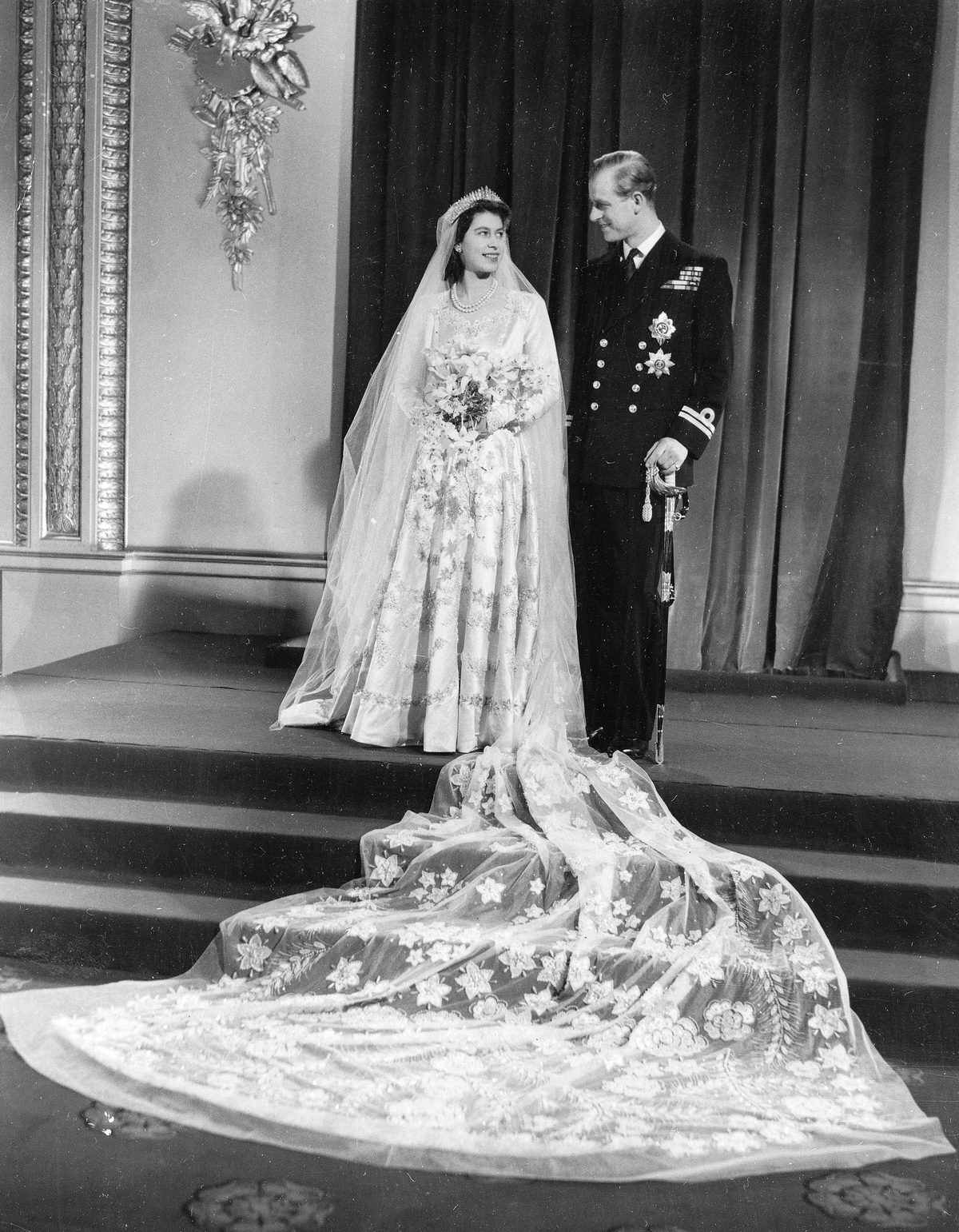
📷 Photo: Associated Press. Public domain via Wikimedia Commons.