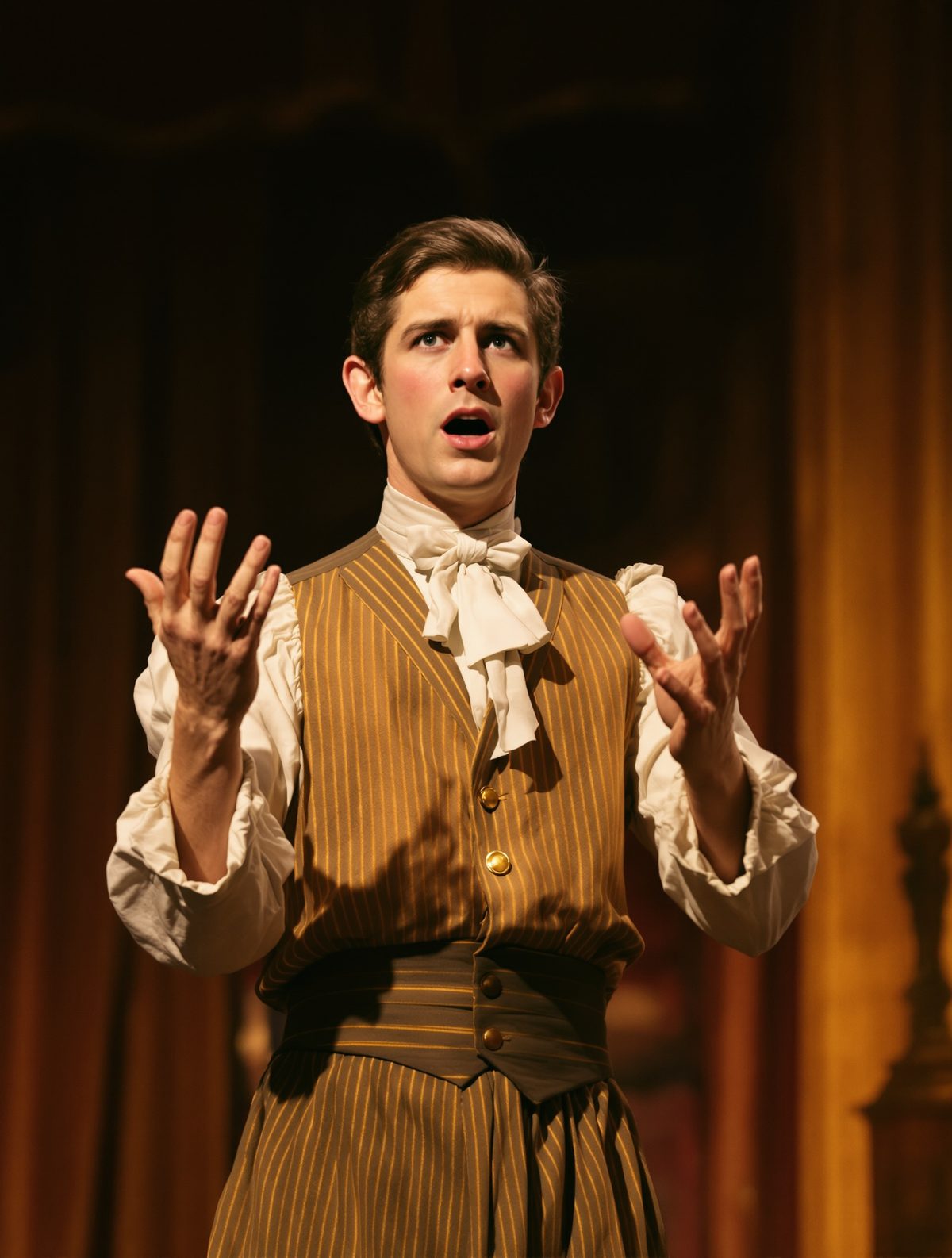
The year was 1966, and behind the hallowed walls of Gordonstoun School in Scotland, a teenage Prince Charles was about to make theatrical history. At just 17 years old, the future King of England had secretly auditioned for his school's ambitious production of Shakespeare's Macbeth — and landed the leading role. What should have been a moment of triumph for any aspiring young actor instead sent shockwaves through Buckingham Palace, leaving Queen Elizabeth II utterly mortified that her heir was performing on stage for all to see.
A Prince Steps Into the Spotlight
Prince Charles's journey to the stage began quietly, as many teenage rebellions do. At Gordonstoun, the famously rigorous Scottish boarding school chosen by his father Prince Philip, Charles had discovered something unexpected amidst the cold dormitories and demanding physical challenges — a genuine passion for the performing arts. The school's drama department offered a rare refuge for the sensitive prince, who often struggled with the institution's emphasis on outdoor pursuits and military-style discipline.
Unlike many of his more athletically-minded peers, Charles found himself drawn to the school's theatre productions. Here was a world where his love of literature, his appreciation for language, and his natural sensitivity could be channeled into something meaningful. When auditions were announced for the school's production of Macbeth, the young prince made a decision that would define not just his school years, but his relationship with creative expression for decades to come.
What made his casting particularly remarkable was that Charles hadn't simply been given the role due to his royal status. According to school records and contemporary accounts, he had genuinely earned it through his audition, demonstrating a natural stage presence and a deep understanding of Shakespeare's complex protagonist that impressed his teachers and fellow students alike.
Palace Panic and Royal Protocol
When news of Prince Charles's starring role reached Buckingham Palace, the reaction was swift and decidedly frosty. Queen Elizabeth II, ever mindful of royal dignity and the careful public image of the monarchy, was reportedly deeply concerned about her son's theatrical debut. The very idea of the heir to the throne performing on stage — even in an educational setting — flew in the face of royal protocol and the careful distance the monarchy maintained from public entertainment.
The Queen's concerns weren't entirely without merit. In the 1960s, the boundaries between the Royal Family and the entertainment world were far more rigid than they are today. The monarchy operated under much stricter codes of conduct, where any activity that might be seen as undignified or too common could potentially damage the Crown's reputation. Acting, even amateur dramatics, was viewed by many within the Palace as dangerously close to showing off — something that went against every principle of royal reserve.
Palace courtiers found themselves in an unprecedented situation. Should they intervene and prevent the performance, risking embarrassment for both the school and the prince? Or should they allow it to proceed and potentially face public criticism for letting the future king engage in what some might consider frivolous theatrical display?
The Performance That Captivated Scotland
Despite the Palace's reservations, the show, as they say, must go on. On the evening of the performance, Prince Charles took to the stage of Gordonstoun's modest theatre and delivered what many witnesses later described as a surprisingly accomplished portrayal of the Scottish king. His interpretation of Macbeth was said to be thoughtful and nuanced, showing a maturity beyond his years as he navigated the character's descent from noble warrior to tyrannical murderer.
The production itself was a considerable success within the school community. Charles's fellow students, who might have been forgiven for expecting a wooden performance from their royal classmate, were instead treated to a genuine artistic achievement. His teachers noted that he had thrown himself into the role with complete dedication, spending countless hours memorizing not just his own lines but studying the entire play to understand his character's place within the broader narrative.
What particularly struck observers was how the usually reserved and sometimes awkward teenager seemed to transform on stage. The performing arts gave Charles a confidence and presence that was sometimes less evident in his daily school life. For perhaps the first time, he had found an arena where he could excel not because of his royal birth, but purely on his own merit and talent.
A Lasting Impact on the Future King
While Queen Elizabeth II may have been mortified by her son's theatrical debut, the experience proved to be profoundly formative for Prince Charles. His success in Macbeth sparked a lifelong appreciation for the arts that would later become one of his defining characteristics as a royal patron. The confidence he gained from that performance and his subsequent involvement in school productions helped shape the man who would become one of the most culturally engaged members of the Royal Family.
The teenage acting experience also revealed something important about Charles's character — his willingness to pursue his genuine interests despite potential disapproval, and his ability to commit wholeheartedly to endeavors he found meaningful. These qualities would serve him well in later years as he championed causes like environmental conservation and architectural preservation, often in the face of initial skepticism.
Interestingly, his involvement with amateur dramatics at Gordonstoun didn't end with Macbeth. Despite the Palace's initial horror, Charles continued to participate in school productions, though perhaps with slightly less ambitious roles. His teachers noted that he seemed to find genuine joy and personal fulfillment in the collaborative process of creating theatre.
From Stage Fright to Royal Confidence
Looking back on that mortifying moment for the Palace, it's remarkable to consider how prophetic Prince Charles's teenage theatrical adventures proved to be. The future king who once scandalized his mother by performing Shakespeare would grow into a royal who has spent decades championing British theatre, supporting emerging artists, and using his platform to celebrate the transformative power of the performing arts.
The boy who found his voice playing a tragic Scottish king has become a monarch who understands the importance of cultural expression in British society. His early experiences on the Gordonstoun stage taught him lessons about dedication, authenticity, and the courage required to step into the spotlight — lessons that have served him well throughout his decades of public service and now in his role as King Charles III.
Perhaps most remarkably, what once horrified Queen Elizabeth II as an breach of royal protocol now seems like a charming glimpse into the formation of a culturally engaged monarch. The secret teenage acting career that caused such palace panic ultimately helped create a king who understands that true leadership sometimes requires stepping onto an unfamiliar stage and finding the courage to perform.