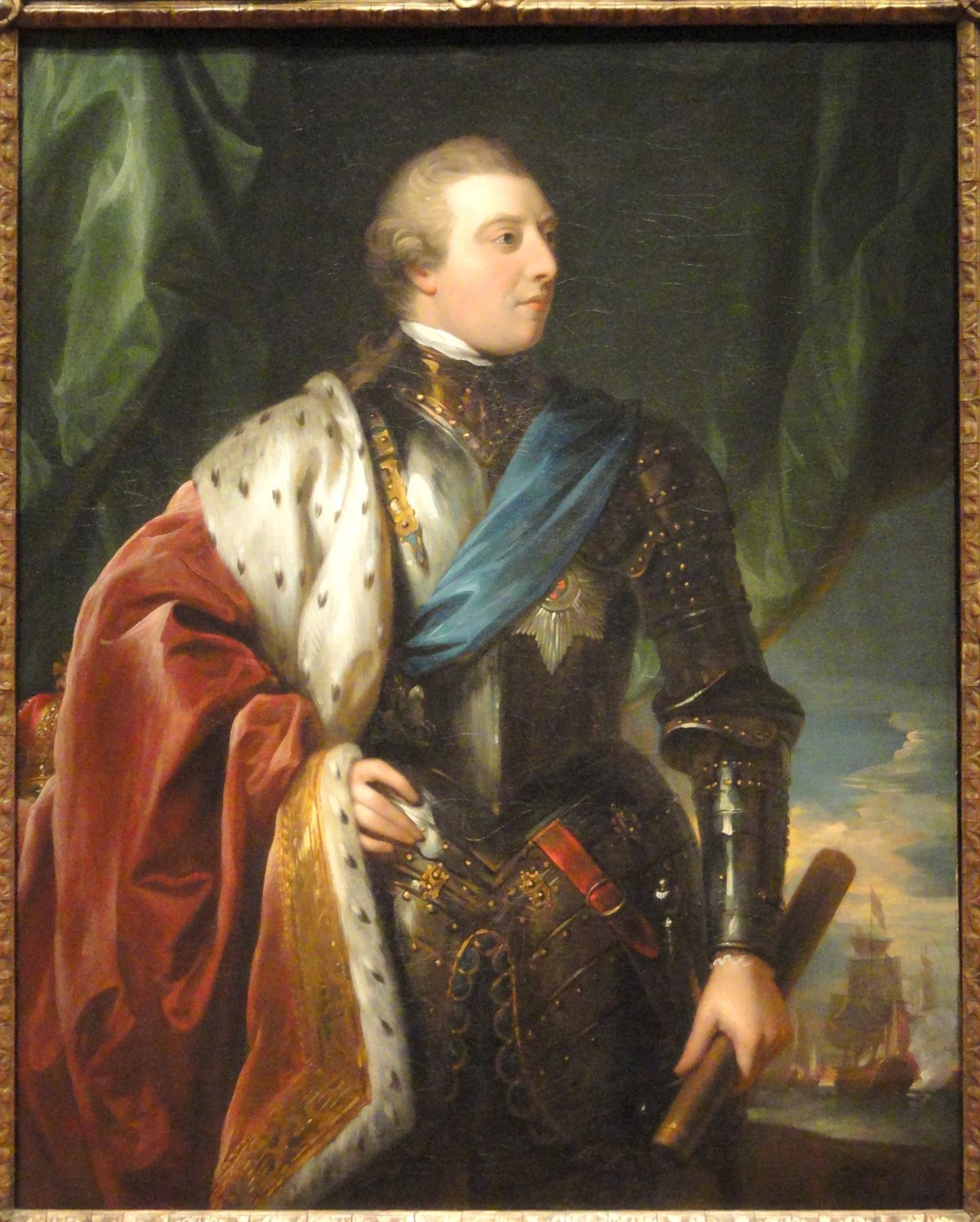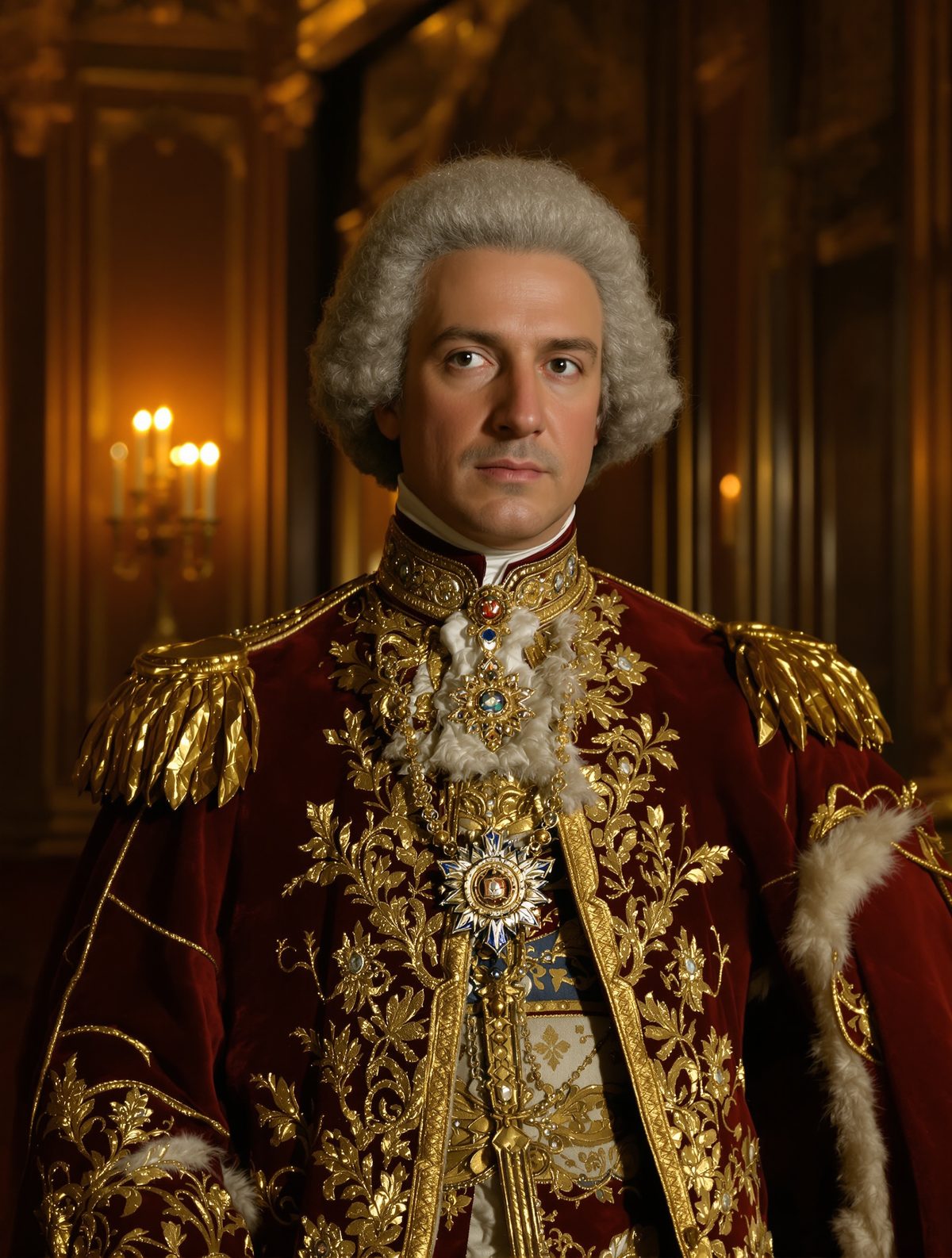
In September 1714, the steady swirl of mist clung tightly to the River Thames, casting a shroud of anticipation over the shores of Greenwich. From the depths of this autumnal haze emerged a decisive figure—a 54-year-old German prince whose footsteps onto British soil were laden with destiny. In a moment synonymous with crossings and intervals, George Louis of Brunswick-Lüneburg, soon to be known as King George I, took his first steps as sovereign of a realm where his voice would initially be foreign—a poignant beginning to a reign defined by adaptation and alliances.
Arrival of a Reluctant Monarch
Born in the verdant territories of Hanover to a lineage ensconced in German nobility, George Louis never imagined nor aspired to the British crown. Yet the Protestant succession dictated by the 1701 Act of Settlement—so meticulously orchestrated to secure a Protestant monarch—appointed him as the rightful heir following the death of Queen Anne. The arrival of George I marked a new epoch, inaugurating the Hanoverian dynasty amidst echoes of political change and societal promise. His landfall was perhaps understated, yet quietly revolutionary.
Stepping ashore to the bustling energy of London—the crown jewel of his newfound kingdom—George was greeted by the thrum of opportunity cloaked in formality. Yet beneath this grand display of majesty lay the very human challenge: George I spoke not a word of English. His linguistic isolation underscored the complexity of his new role, setting the stage for encounters rife with silence and awkward formality, ultimately mediated by the lingua franca of diplomacy at the time—Latin.
Silence Shared: The Hall of Power
The King’s initial meetings with British ministers were episodes woven with curiosity and caution. Picture a room filled with parliamentarians and dignitaries, all eyes fixed upon their new monarch, curiosity tempered by uncertainty. Those who flocked to greet him hoped for decisions and guidance, yet few could converse with him. In these pivotal first meetings, George I addressed his council not in English, nor in his native German, but in the neutral and ancient conduit of Latin.
"A king’s lips are silent when his language is foreign."
This solemn declaration, expressed awkwardly but earnestly, exemplifies how George embraced his role with resilient determination. In these formal sessions, interpretations unfolded through ministers and intermediaries, a dynamic that would earn the king both respect and scrutiny. The challenges of language, however, transcended mere words—they reflected the broader complexities of bridging divergent political cultures and overcoming ingrained prejudices.
A New Regime: Evolving Traditions and Loyalties
The essence of monarchy is deeply rooted in tradition, yet George’s ascent heralded a transformation intertwining legitimacy with pragmatism. He nourished ties with his German territories, which often weighed upon the aristocracy, while forging invaluable alliances within his English court. His lack of English fluency became a catalyst for evolving political norms. George’s embodiment of duty over personal preference endeared him to many, aligning loyalty to his office over mere personality, which paradoxically strengthened the perception of monarchy during his reign.
As George adjusted to his kingly role, the royal family encountered both resistance and support from the public. Stiff resistance from those skeptical of his origins met with counterbalancing allegiance from Whigs, who championed his Protestant heritage. George’s court was a kaleidoscope of cultural influences—his retinue and architectural commissions bore the imprint of his Continental sensibilities, introducing a European aura to the establishments of elegance in England.
Setting Foundations: Enduring Monarchial Legacy
King George I’s story is markedly one of navigation—a blend of personal tenacity with political astuteness. Despite linguistic barriers and cultural dissonance, he laid the cornerstone for Britain's novel legislature championing the Prime Ministership. His reign precipitated the gradual transition towards a constitutional monarchy, heralding an era where royal influence operated alongside emerging democratic governance. The king’s efforts to shape a cohesive identity within his ruling paradigm underscored the resilience of British monarchy, instilling a legacy of adaptability.
Throughout his reign, George devoted energy towards securing the Whig Party’s strength, his political maneuvers reinforcing the role of britain's institutions in limiting unilateral monarchal authority. The peace sustained during much of his rule, despite complexities, demonstrated the efficacy of his diplomacy—a balance of perseverance met by patience.
The Monarch's Enduring Impact
In today’s era, the storied narrative of King George I’s reign serves as a testament to the enduring adaptability of the British monarchy. Though the winds of change are ever present, the royals continue to navigate the intricacies of modernity with echoes of George’s legacy forming a faint yet resilient backdrop. His journey from Hanover to the throne encapsulates a poignant truth—that the essence of sovereign life is often defined less by grandiose declarations, but more by moments of quiet resilience and unspoken understanding.
As admirers of this regal lineage, the story of George I reminds us of the humanization of monarchy. Beneath the crowns and courtly traditions, lies a shared humanity rich with perseverance and adaptability—a narrative that transcends time, captivating generations in the alluring tapestry of Royal Heritage.