In an era defined by powdered wigs, stately banquets, and the ceaseless etiquette of court life, King George III, reigning monarch of Great Britain, found solace and satisfaction in an altogether different pursuit: farming. Amidst his royal duties, he was quietly revolutionary, introducing and nurturing a flock of Merino sheep right inside Windsor — and, quite notably, sometimes within its opulent halls. The image of a king tending to sheep might defy the storied grandeur of the British monarchy, but George III was anything but typical. Known affectionately as "Farmer George," he redefined regal savoir-faire with his honest-to-goodness passion for agriculture, much to the bemusement of his court and family.
The Monarch-Farmer
George III's interest in farming was no passing fancy or mere hobby for amusement. In the 1790s, he established a significant agricultural initiative on the grounds of Windsor Palace, inspired by the burgeoning 'Agricultural Revolution' of his time. His penchant for practical farming led him to enthusiastically adopt Merino sheep, a highly prized breed famous for their fine wool. Procuring these sheep was no easy task — they hailed from Spain, where they were kept as a closely guarded national treasure.
His court might have raised eyebrows at this unorthodox kinship with farming, yet the king saw it differently. For George, farming was a science worthy of royal attention, an avenue for innovation that could greatly impact the prosperity of his nation. By introducing Merino sheep, he sought not only to improve the quality of English wool but to set an example in agricultural advancement. In 1785, he established a model farm at Windsor, complete with experimental plots and an array of livestock, hinting at his visionary approach to bridging agriculture and industry.
A Woolly Affair at Windsor
While his commitment to farming might have been noble in intent, the day-to-day realities of George III's passion perplexed those around him. George's Merino sheep were more than mere assets penned away from view—they were frequent and unexpected guests in Windsor's princely gardens and, at times, even inside the palace.
The king was known to occasionally grant these esteemed ruminants entry into the royal residence's more formal spaces, a sight that no doubt confounded courtiers and bewildered visiting dignitaries. But George, unbothered by protocol, would often be seen walking the grounds, delighting in his flock's progress and personally tending to their needs. Engaging his children in these pursuits, George sought to instill in them a respect for practical knowledge that transcended class boundaries.
"Farmer George," they would call him fondly. Yet with a tinge of exasperation, his inner circle sometimes lamented their beloved sovereign's stubborn fascination with his woolly companions. Nevertheless, they were not entirely mistaken in this moniker—George's devotion to agriculture was indeed sincere, reflecting the egalitarian dimensions of his kingship.
Cultivating a Legacy Amid Regal Duties
Despite his reputation as a doting agriculturist, King George III never allowed his pastoral passions to eclipse his royal responsibilities. His reign witnessed pivotal events, from the American War of Independence to the early days of the Napoleonic Wars. A conscientious figure, he managed the delicate balance between sovereign duties and personal interests with deftness.
Yet within the royal family, George's agricultural endeavors elicited mixed feelings. His wife, Queen Charlotte, and their children sometimes fretted over the king's seeming preoccupation with all things bucolic. For them, maintaining an enviable image of regality shouldered precedence, but George, rather refreshingly, prioritized the enrichment of his mind and kingdom. His Merino flock not only symbolized pastoral progress; they were a testament to his determination to lead with ethics and foresight.
The Hallowed Halls of Windsor and Beyond
Throughout this charming chapter of royal history, King George III made meaningful contributions to Britain’s agricultural fabric. By championing Merino sheep, he effectively helped influence textile production innovations, which persisted long after "Farmer George's" reign concluded.
In a paradoxical twist, George’s passionate embrace of farming augured well for the monarchy’s legacy. His approachability and humility were most endearingly chronicled through the lens of his pastoral pursuits, painting a picture of a monarch who transcended stately contours to personally invest in his people's welfare.
Today, visitors to Windsor might still imagine George III's Merino sheep meandering along its storied grounds, leaving behind traces of their gentle presence, whether in grassy meadows or perhaps fleetingly in grand antechambers. His inspiration, grounded in unity between person and purpose, echoes through spaces both regal and pastoral, drawing us into a timeless union with a sovereign who dared shade his crown with the simplicity of shepherd's crook.
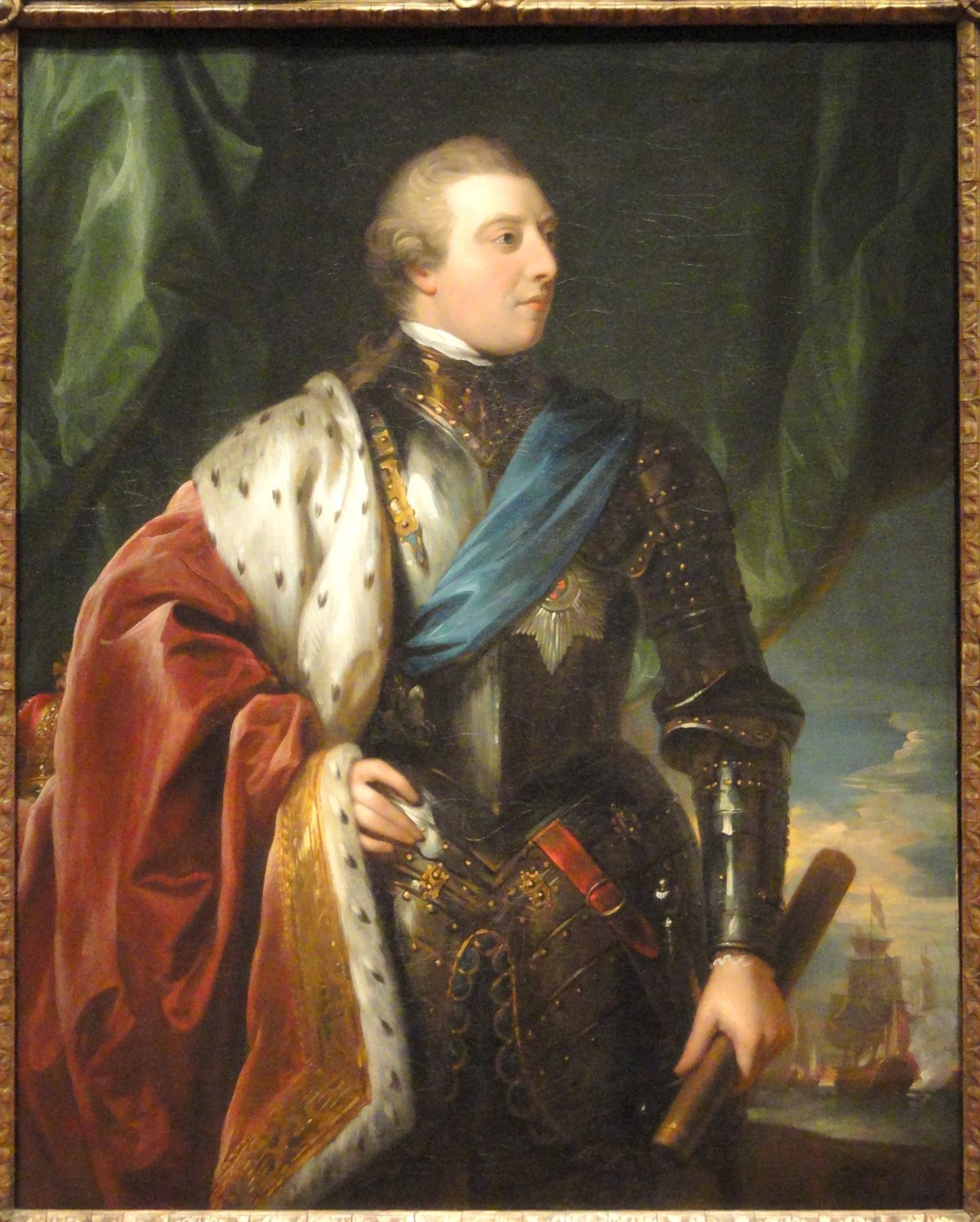
📷 Photo: Daderot. CC0 via Wikimedia Commons.