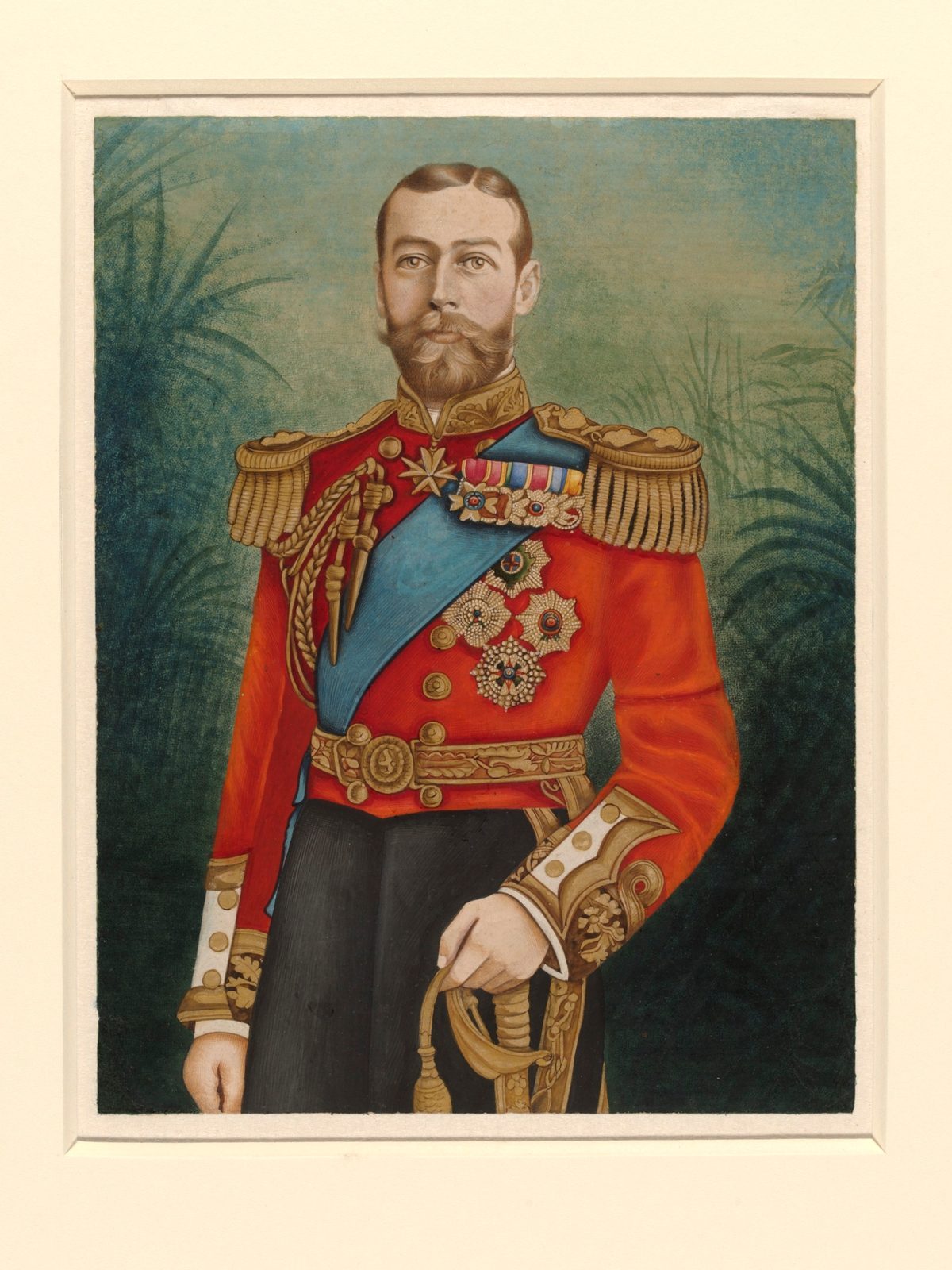
Twenty-five years on the throne, and he chose to begin the day on foot. On the morning of his Silver Jubilee, King George V stepped out before the ceremonies began and walked quietly among the crowds lining London's streets. What happened next left his courtiers speechless.
The Dawn of a Jubilee
The morning of May 6, 1935, dawned with an air of hushed excitement in London, as preparations for King George V's Silver Jubilee reached fever pitch. The city, draped in Union Jacks and adorned with bunting, awaited a day of grand celebrations marking the monarch's 25 years on the throne. Against this backdrop of majestic anticipation, the king's courtiers planned a day that would celebrate not only a reign but a lifetime of service to the nation. Yet, what was planned as a day of ceremonial grandeur was to begin with an unexpected act of quiet humility.
George V, known for his steadfast dedication to duty, had begun this day with feelings perhaps only he could fully understand. Twenty-five years earlier, he had ascended to the throne as the successor to his father, Edward VII. Since then, he had steered the monarchy through tumultuous times: World War I, the dissolution of empires, and the birth of a new world order. Now, as he faced a day meant to honor his reign, King George V sought a moment of reflection and connection.
A Surprise for the Courtiers
The Silver Jubilee celebration had been meticulously planned by the royal court, but as the first light of dawn touched Buckingham Palace, the King made an unexpected request. Much to the surprise of his courtiers, who were accustomed to a strict adherence to ceremonial protocol, King George V wished to walk among his people – not as a sovereign, but simply as a fellow Briton.
His decision spoke volumes of his understanding of kingship. He was not a monarch enthroned by ancient bloodlines alone but one who placed high value on forging a bond with his subjects. This was a desire likely shaped by the winds of change that had defined his reign, as monarchies around the world adapted to modernity and the intrinsic connections between sovereign and subject began to take on new forms.
With a respectful but puzzled acquiescence, his private secretary made the necessary arrangements. As the King walked through the gates, clad in a less ostentatious attire than the regal finery reserved for public appearances, whispers of excitement and disbelief rustled through the small crowd already gathered along the streets.
The People's King
To those waiting along London's thoroughfares, the King's appearance was nothing short of extraordinary. Here was a monarch who chose to walk amongst them on what was one of the greatest days of his life. Though he was merely a man on foot, his presence carried the weight of ceremony and the warmth of an unexpected familiarity.
George V blended quietly into the early morning bustle, nodding to shocked onlookers who were quick to bow, some brought to tears by the intimacy of the moment. The King did not move with an entourage; rather, he was accompanied by only a few trusted individuals, who maintained a respectful distance.
"In those stolen quiet moments, King George V bridged the divide between sovereign and subject, embodying the very essence of a modern monarchy."
Without the formality of titles or regalia, he spoke briefly with admirers, expressed gratitude for their loyalty, and shared in the collective spirit of celebration. To those present, it felt as though the King had briefly stepped down from the pedestal of sovereignty to walk among his nation as one of them.
Returning to Tradition
As the sun began its ascent into a clear May sky, it was time for King George V to rejoin the world of rituals and ceremonies awaiting him. The Jubilee service at St. Paul’s Cathedral was one of the day’s momentous highlights, showcasing the grandeur of the monarchy while interwoven with heartfelt appreciation and reflection.
The rest of the day unfolded with pageantry befitting a celebrated reign – a procession through packed London streets thrumming with jubilant cheers, receptions, and celebrations that seamlessly combined tradition with the King’s modern, humble touch. Throughout it all, George V carried the palpable memory of his quiet morning walk, a moment that would linger fondly both in his heart and the annals of his legacy.
The Modern Legacy
In a world where royalty and reality increasingly intersect, the morning King George V chose humility over heraldry serves as a poignant reminder of the profound human connections that bind ruler and subject. His walk through London streets, mere hours before the pomp and circumstance of his Jubilee, remains one of those compelling stories which illuminate the personal nuances of monarchical leadership.
As we reflect on the monarchy's enduring role, King George V's Silver Jubilee serves to highlight a vital aspect of royalty: that its strength lies not just in tradition and pageantry, but in the ability of its human core to adapt and resonate with the people it serves. This enduring connection draws lines through history, reminding us that the crown, despite its grandeur, rests upon the capacity to empathize, connect, and walk among one's people.
The Jubilee morning’s stroll may have taken place in the early half of the 20th century, but its legacy endures, lovingly intertwined with the British monarchy's narrative of both the past and present.
📷 Photo: Unknown (production). Public domain via Wikimedia Commons.