The Daily Ritual in a King’s Quiet Corner
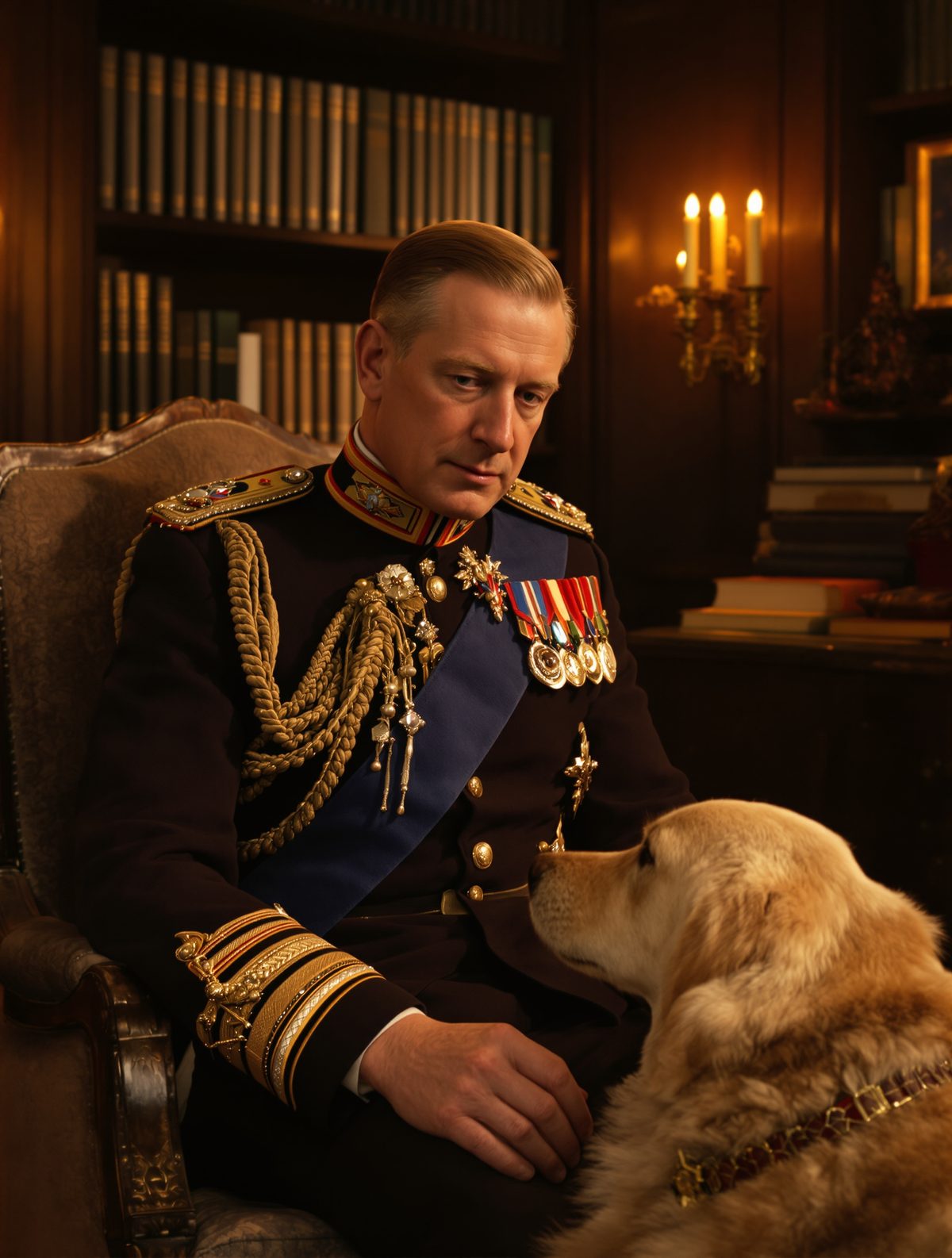
The year was 1937, and Great Britain was in the throes of transformation, ushering in a new monarch whose path to kingship had been anything but conventional. King George VI, known for his deep sense of duty and devotion to his nation, stood each night in his study, haunted by a singular terror that the weight of the crown couldn't dispel. He feared public speaking. With an audience of one — his faithful golden Labrador, Mimsy — the King practised his coronation speech, determined to face a challenge as daunting as any royal duty: his stammer.
Coronation Challenges: King against Self
George VI, affectionately known to family and friends as Bertie, was not born to be king. The abdication of his brother, Edward VIII, placed him unexpectedly on the throne. Public perceptions of royalty brim with grand processions and gilded halls, yet this behind-the-scenes glimpse reveals the human element of royal life — a king's battle to find his voice. The King's stammer was a source of intense anxiety, having plagued him since childhood. His therapist, Lionel Logue, an unorthodox and charismatic speech therapist from Australia, played a pivotal role in helping him manage this struggle.
Logue's unconventional methods included everything from tongue twisters to breathing exercises. Their dynamic relationship would later capture imaginations worldwide — but in these quiet evenings, it was simple repetition and courage that carried Bertie through. Night after night, he faced his fears, determined not to let anxiety overshadow the coronation day. The familiar comforts of his study offered a semblance of control: a polished oak desk, the soft tick of the grandfather clock, and Mimsy, his ever-attentive canine confidant, who would listen without judgment and stay unwavering by his side.
A Royal Court in Reflection
The royal court buzzed with anticipation, layered with traditions stretching back centuries. Buckingham Palace was abuzz with preparations that showcased the monarchy's grandeur and the intrinsic cultural fabric of Britain. The coronation was to be a spectacle of pageantry — a national event broadcast to a global audience. Yet, beneath the glittering surface of ceremonial pomp, the human story of a prince turned king was quietly unfolding.
King George VI's diligent preparation reflected a monarch's profound commitment to serve his people with dignity. As the symbolic head of a vast empire, the importance of eloquence in public speaking was paramount. His personal battle inspired empathy within the palace walls, and his courage would eventually resonate with his subjects, fostering admiration for a King who did not shrink from personal adversities but rather confronted them with humility and determination.
The Unassuming Ally: Mimsy, The Labrador
In every story of triumph, there are unsung heroes — in this tale, it was Mimsy, the golden Labrador. Dogs have long held a special place in royal households, often seen as companions, confidants, and loyal friends. In a palace filled with formal faces and strict decorum, Mimsy provided a unique sense of companionship, offering unconditional support and indirectly lending a kind of strength that no court advisor could.
"The royal affinity for pets isn't merely a gilded tradition; it's a testament to the role these creatures play in bolstering the spirits of their human counterparts."
By practising his speech in front of Mimsy, George VI found solace away from the pressure of critical eyes and ears. Here, he stumbled without shame, laughed off errors, and found the confidence to carry his voice through the hallowed halls of Westminster Abbey.
The Coronation Day Triumph
On May 12, 1937, the world watched as King George VI took his rightful place upon the throne. As London adorned itself with fluttering flags and cheering crowds, history unfurled within Westminster Abbey's echoing arches. The coronation was a triumph not only of ceremony but of personal victory. When the King delivered his speech, the stammer that had so tormented him was nowhere to be heard.
The newfound grace with which he spoke became a beacon of inspiration for a nation that, like him, was preparing to weather the storms ahead, both personally and politically. King George VI's journey from apprehensive speaker to the confident orator symbolized a turning point for the monarchy, strengthening his connection with the British people and the Commonwealth.
Reflections from History
Today, King George VI's determination stands as a testament to the resilience of the human spirit, resonating with the universal struggle to overcome personal adversities. The image of a king practising in solitude before his dog reveals the monarchy's blend of humanity and majesty — bridging the gap between ordinary challenges and extraordinary duties.
Modern royals continue to navigate public and personal lives in the ever-watchful public eye. King George VI's story serves as an enduring reminder of the introspective journeys and quieter triumphs that underpin public personas. As we admire the splendor of the royal family across generations, the tale of how one man's practice before his loyal Labrador remains a captivating narrative of courage, resilience, and an unwavering bond.
The monarchy stands as a guardian of heritage, embodying stories of strength woven through personal and national chronicles alike, drawing a portrait of leadership that endears and inspires. The legacy of King George VI, mirrored in his resolute spirit, and with Mimsy softly padding at his side, echoes through time, reaffirming that true courage often lies in the quietest moments.