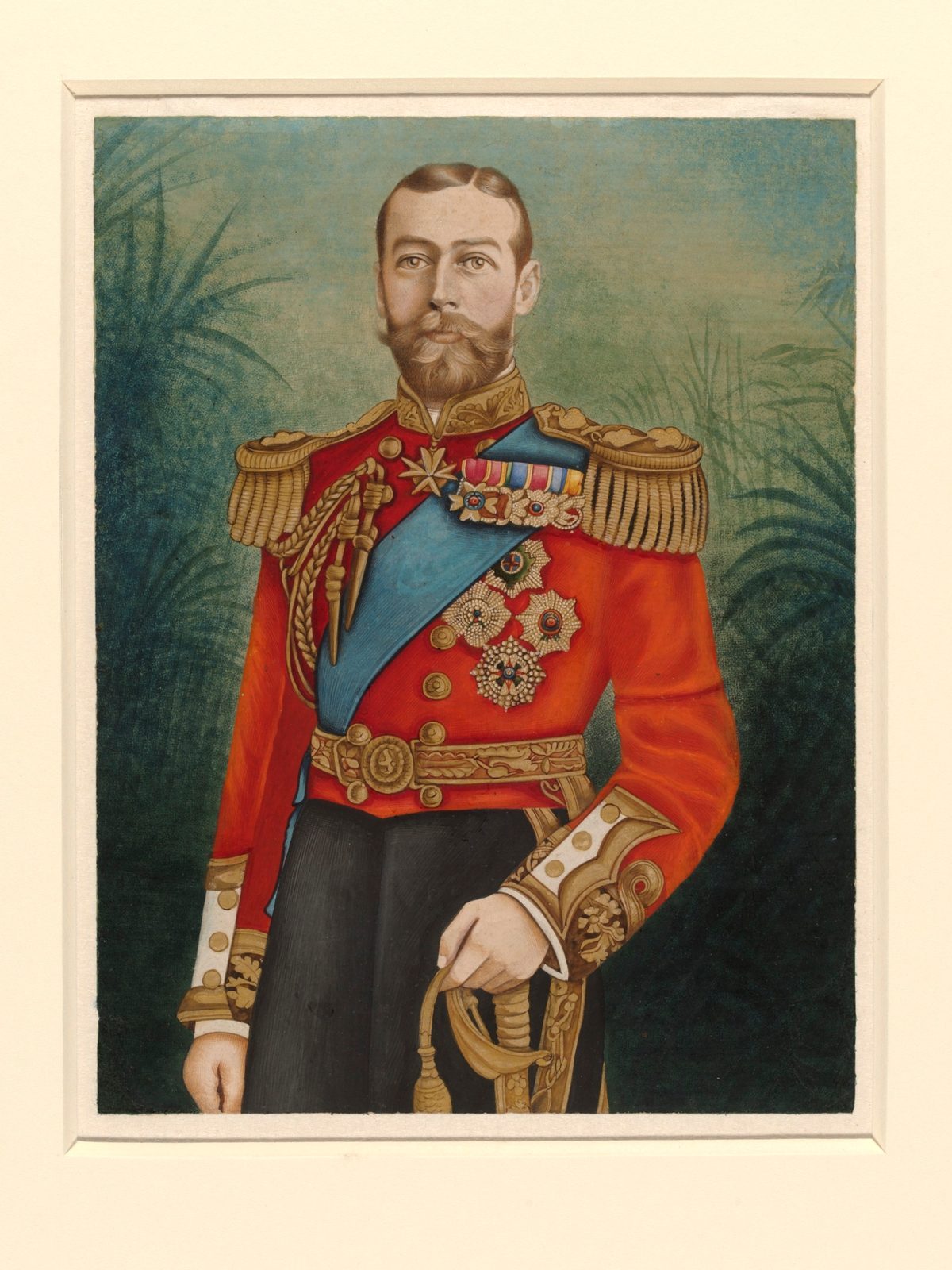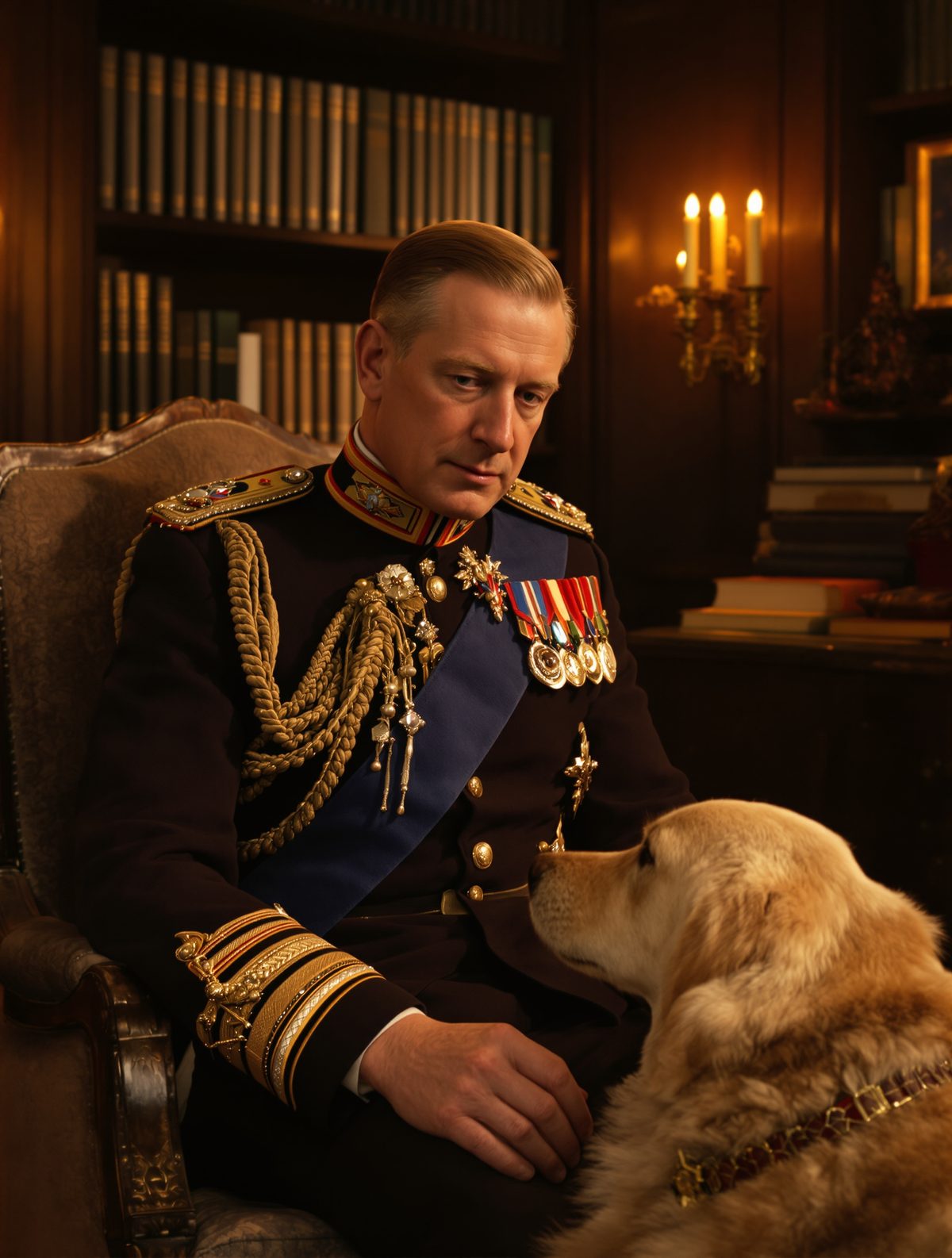
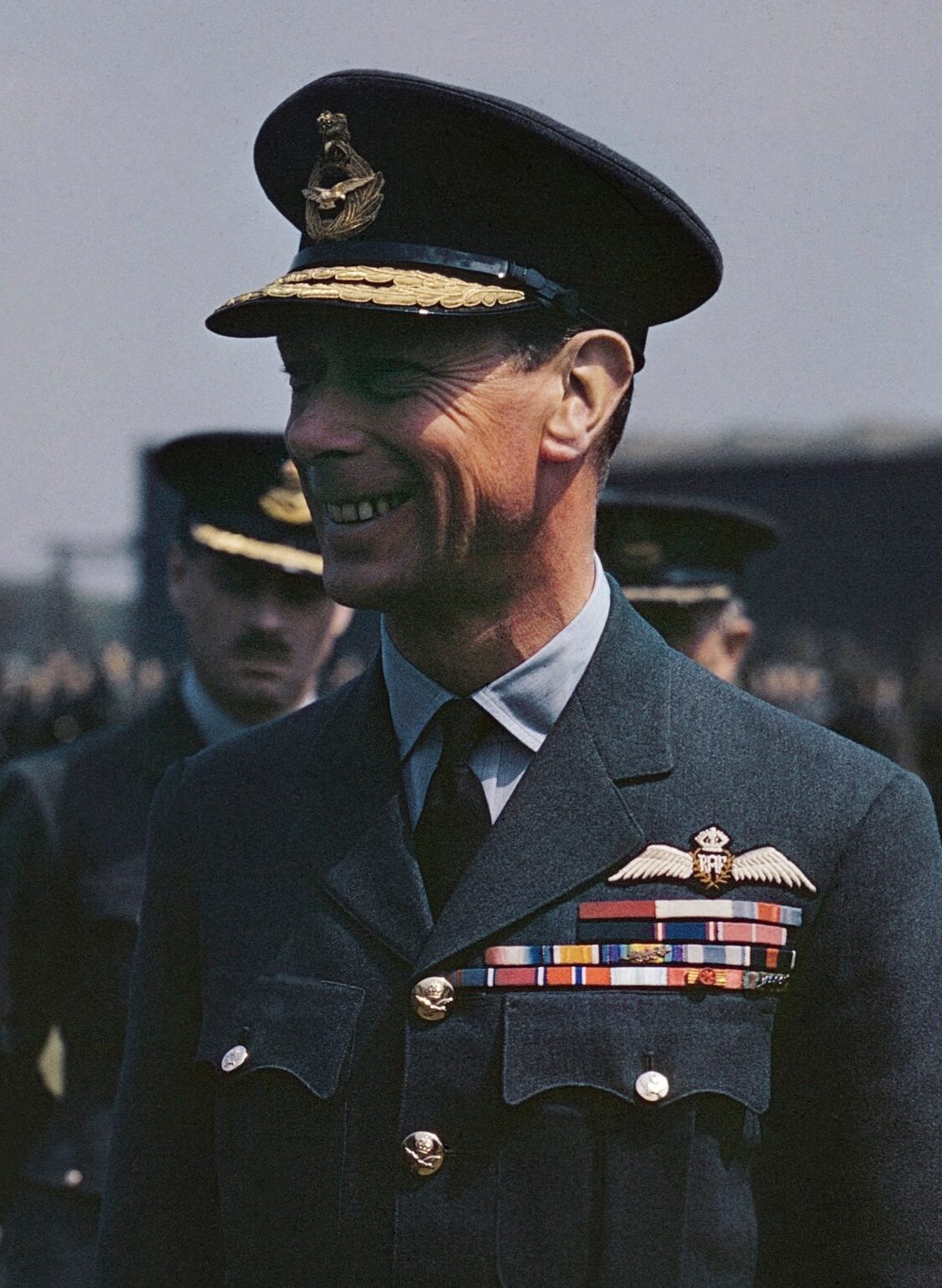
Hook: On the morning of his coronation, as dawn broke gently over Westminster Abbey, King George VI, found himself in a rare moment of unguarded humor. Standing in his dressing room, the monarch, who was not born to ascend the throne, glanced down at his chest and discovered his medals hanging upside down. For a man known for his steadfast resolve in the face of tribulation, this innocent blunder was met not with consternation but with a quiet, reflective laugh. It was a moment that exemplified his fundamental humanity, transforming the nerves of that historic day into a deeply personal revelation of character.
The Reluctant King
The serene morning of May 12th, 1937 masked the whirlwind of emotions in the heart of King George VI. Born Albert Frederick Arthur George Windsor, "Bertie" to his family, he was never meant to wear the crown. His brother Edward VIII, the dashing heir who abdicated for love, left a legacy of crisis that thrust George unexpectedly into the role of monarch. The shock of the abdication crisis was still fresh, a poignant reminder of duty over desire, and the necessity of monarchial steadfastness.
King George VI, often plagued by a debilitating stammer, faced the prospect of public attention with palpable anxiety. His struggle with speech had been a deeply personal battle, one he never imagined would be scrutinized under the harsh spotlight of royal obligation. Yet, this affliction also endowed him with a profound empathy and an ability to connect intimately with his subjects. Despite his apprehensions, or perhaps because of them, George's courage shone as he prepared to don the mantle of kingship.
That morning, the private apartments of Buckingham Palace were bustling with activity. Valets, aides, and confidants moved with a kind of reverential urgency, aware of the greater narrative that was unfolding. As George VI dressed in the historic regalia, the weight of tradition and expectation pressed upon him. His hands shook slightly—a silent testament to the nerves simmering beneath his composed exterior.
An Unexpected Moment of Humor
It was within this charged atmosphere that King George VI experienced his delightful wardrobe mishap. As his attentive valet arranged his ceremonial attire, intricacies such as medals and insignias were fastened with precision. However, as they stepped back to admire their handiwork, there it was—the decorations clung courteously, but undeniably, upside down.
In a society that regarded protocol with the utmost seriousness, such an oversight could have easily been met with tense silence. Yet, George VI deviated from expectation. He glanced down, observed the wry irony of the moment, and rather than chastising the mistake, he chuckled—a gentle, self-aware acknowledgment of imperfections on a day when he could afford none. In his laughter, he embraced imperfection with grace and humanity, silently assuring those around him that missteps were not the end but part of the journey.
Such a reaction was quintessentially George VI. He embodied a blend of quintessential British resilience and humility—a legacy molded by challenges and underscored by his compassion and accessibility. This incident, seemingly insignificant, humanized a king, offering a glimpse into the warm, tender-hearted man behind the royal veil.
A Coronation Steeped in History
The coronation of George VI was a grand spectacle, meticulously planned to reaffirm the stability and continuity of the British monarchy during a pivotal moment in its history. Set against the intricate backdrop of Westminster Abbey, the ceremony was imbued with tradition, from the sacred rituals to the magnificent regalia steeped in symbolism.
Awards of honor and heraldic emblems, like George’s medals, represented a legacy intertwined with the identity of the British Empire. Yet, for a monarch who had stepped into his role unexpectedly, adorned with his upside-down medals earlier that morning, those emblems also narrated a tale of personal triumph over adversity.
As the procession made its way through the streets of London, the public beamed with loyalty and admiration for their new king. George VI had become a symbol of continuity and hope during times that felt increasingly unstable. Throughout the ceremony, he stood unwavering, reflective of the stoic resolve that characterized his reign.
The Human King
Despite the pageantry, King George VI’s reign was characterized by his ability to navigate the monarch's role with humility and a genuine concern for others. His journey was marked by heartfelt empathy—an understanding born out of his struggles and triumphs. The laughter that marked his coronation morning was emblematic of his ability to find joy amidst the daunting responsibilities of kingship.
His legacy, cemented by his wartime leadership, helped steer his nation through the dark days of World War II. His radio broadcasts, delivered with confidence and conviction, despite his stammer, became a source of reassurance for his people. They showcased a monarch who was relatable and understood the deep bond between crown and subjects—a relationship that transcended ceremonial obligations.
A Legacy of Empathy and Strength
Today, as we reflect on the history of the British monarchy, the morning of King George VI’s coronation offers a poignant insight into his reign. It’s a reminder that even individuals thrust into roles of power are, at their core, human. His laughter in the face of nerves illustrated a resounding truth—that vulnerability and humor can coexist with leadership and responsibility.
King George VI’s life is a testament to the strength in overcoming personal and public struggles with dignity and fortitude—a legacy perpetuated by his daughter, Queen Elizabeth II, and admired by millions around the world. His story continues to resonate, serving as an enduring example of a monarchy that thrives not on perfection but on the profound connection between a ruler and their people.
In a world where the notion of leadership is often dictated by vulnerability masked as strength, King George VI’s legacy reminds us to cherish our imperfections and to lead with empathy and humanity. The laughter of that pivotal coronation morning still echoes, a reminder of a monarch whose heart was as noble as the crown he wore.
📷 Photo: Royal Air Force official photographer. Public domain via Wikimedia Commons.