He was King of Great Britain and Ireland, ruler of an empire spanning continents. But George III's proudest achievement was his flock of Spanish Merino sheep at Windsor. When his favourite ram fell gravely ill, the King made a decision that left his entire household speechless.
The Farmer King and His Flock
In the late 18th century, while much of Europe was embroiled in political turmoil, King George III of Great Britain found solace and satisfaction in the rolling pastures of Windsor. The king, ever the gentleman farmer at heart, was fascinated by agriculture and was an early advocate of improving livestock breeding. Among his many agricultural projects was a cherished flock of Merino sheep, renowned for their fine wool.
These sheep, precious imports from Spain, were the pride of the royal farms. Thanks to his great relationship with Spain—undaunted by the diplomatic complexities of the era—George III managed to acquire these sought-after sheep. His passion for these animals and their wool production was so intense that it often took precedence over political and royal affairs. In a kingdom vast and diverse, his Merino sheep were undoubtedly the apple of the King's discerning eye.
A Royal Favourite: The Duke of Aranda
If one were to walk through the verdant fields surrounding Windsor Castle in the 1790s, they might have encountered a particularly distinguished ram grazing peacefully among its flock. This was no ordinary sheep, for this creature answered to the noble moniker of "The Duke of Aranda," named after a high-ranking Spanish nobleman. Proud and magnificent, the Duke of Aranda was the King's pride and joy, a prized possession in the King's ambitious agricultural collection.
But what endeared this Merino ram further was its unique relationship with the King. George III often visited his sheep, bringing with him the care and attention a monarch might reserve for matters of state. It was a spectacle, not just for the royal household, but a vivid illustration of the King's bucolic passions and a testament to his steadfast commitment to agriculture.
An Unwavering Royal Devotion
The story takes an intriguing twist when the Duke of Aranda fell ill. Witnessing the decline of his favourite sheep was a heart-wrenching experience for George III. In an era when livestock was considered an instrumental component of agriculture, the King's attachment to this particular animal went beyond mere pragmatism—it signified a deeper bond.
In an extraordinary move that left his entire household astounded, the King ordered that the ailing ram be brought into his own chambers so he could personally attend to its welfare. This decision was bold, unconventional, and perhaps a little eccentric. Yet, it was a reflection of George III's unwavering dedication, not only to his agricultural pursuits but also to the wellbeing of every animal under his care. The king's physicians, well-versed with His Majesty's endearing quirks, wisely chose to remain silent, offering no opposition to this extraordinary arrangement.
Court Life and the Unseen Empathy
Life at the royal court was marked by protocol, ceremony, and a classic struggle between tradition and innovation. In this sophisticated tapestry, the tale of the Duke of Aranda embodies the rare intersection between the regal and the rustic. The presence of a sheep in the royal bedchamber was a dramatic, if subtle, reminder of the humanity that existed within the gilded walls. Did it create whispers among courtiers? Perhaps. But it undoubtedly showcased a side of the monarch that history sometimes forgets—his profound empathy.
George III, often remembered for his mental health challenges and the loss of the American colonies, had dimensions of character often eclipsed by political narratives. His love for the Merino sheep is a powerful reminder of the King's innate ability to intertwine personal passions with royal duties, a characteristic that modern admirers of the monarchy find both intriguing and endearing.
From the Fields of Windsor to Modern Times
The tale of King George III and his cherished Merino sheep offers more than just a curious anecdote from history—it presents a reflection of the enduring humanity within the institution of monarchy. In an age where royal responsibilities spanned far beyond Britain’s shores, the story vividly illustrates the delicate balance between duty and passion.
Today, as the British monarchy continues to capture the fascination of millions, stories like these provide a sense of connection and relatability, serving as a bridge between past and present. They remind us that behind the pomp and circumstance lies a deeply human tradition, one that continues to evolve while remaining steadfast in its origins.
King George III’s decision to bring his treasured ram into his bedchamber may have raised brows, but it also offered a window into the compassionate soul of a king who deeply influenced his nation's agricultural landscape. In preserving this narrative, we not only commemorate his reign but also celebrate the timeless bond between humans and animals—a bond as noteworthy today as it was in the pastoral days of the 18th century.
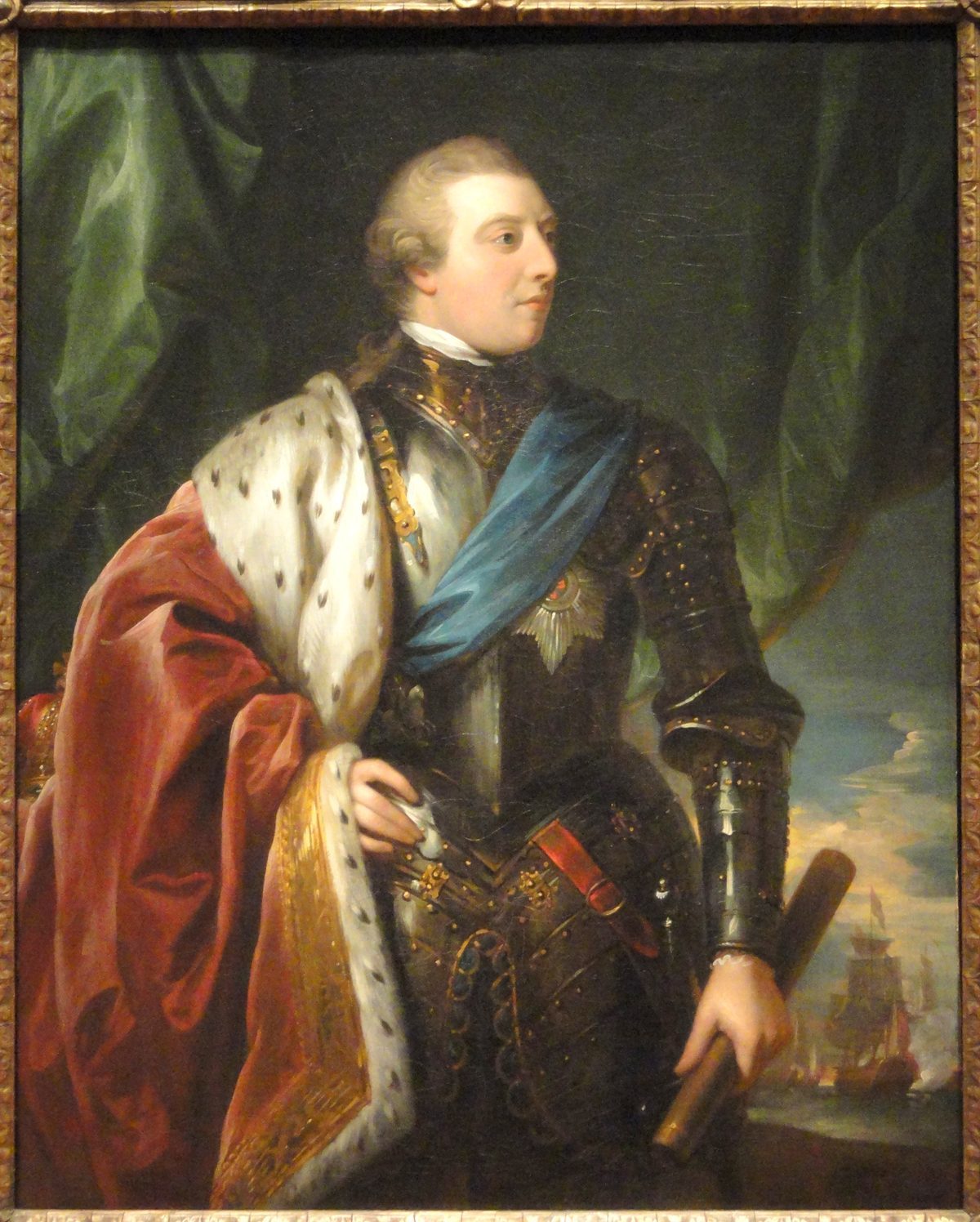
📷 Photo: Daderot. CC0 via Wikimedia Commons.