The Reluctant King: A Moment of Crisis
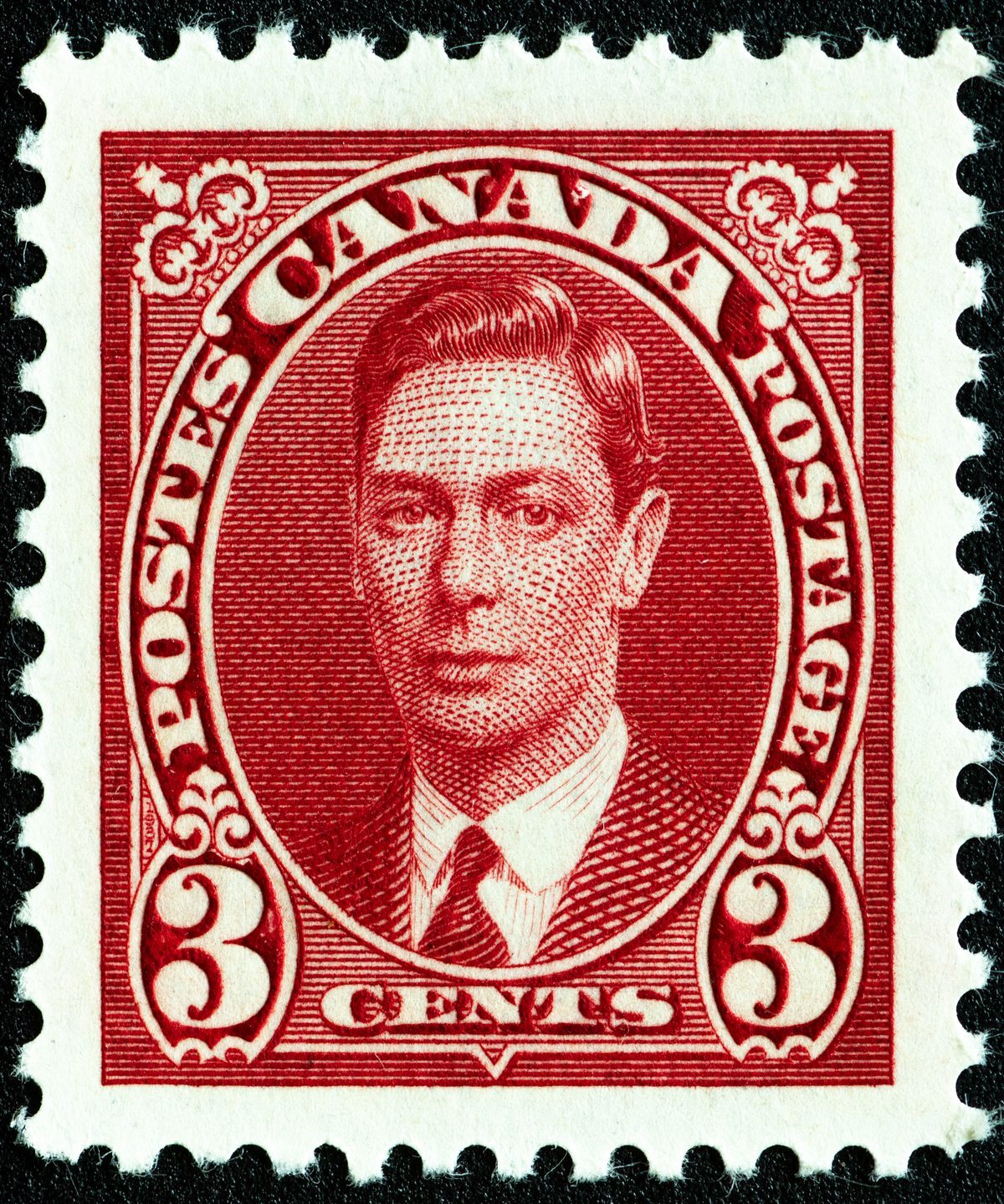
In the dim, opulent chambers of Buckingham Palace, a solitary figure knelt in contemplation—the weight of a nation poised upon his shoulders. It was the night of May 11, 1937, and Prince Albert Frederick Arthur George, or simply "Bertie" to his family, was filled with the profound anxiety of a man destined for a role he never sought. As George VI, he stood on the brink of a coronation that would thrust him into the global spotlight—a contrast to the quiet dignity he had long cultivated. Yet no ornate decor could mask the turmoil he felt in facing a fate from which he had hoped to be spared.
The Unexpected Ascendancy
George VI’s path to the throne was neither straightforward nor desirable in his eyes. Known for his stammer and reserved nature, he had grown up in the shadow of his elder brother, Edward VIII, the charismatic and carefree heir apparent. It was with this understanding that the Duke of York, as he was titled before his ascension, engaged in military service, pursued personal passions, and built a family—secure in the belief that leading the British Empire was not his destiny.
Fate, however, intervened with startling abruptness. Late in 1936, Edward VIII abdicated the throne, choosing love over duty in favour of marrying Wallis Simpson, an American divorcée. The monarchy's stability seemed momentarily precarious as the public looked to the next in line. Despite his earnest pleas to be passed over in favour of someone more prepared, destiny called Bertie to step into the breach, shouldering responsibilities that would extend well beyond his role as sovereign.
An Evening of Reflection
The evening before his coronation was a time of solitude and introspection. George VI knew all too well the challenges he faced—both personal and political—in taking the crown. His speech impediment had long been a source of frustration and even ridicule, an affliction that had plagued his self-confidence for years. Engaging the services of Lionel Logue, a dedicated speech therapist, offered the hope of improvement but not immediate solution. This struggle underscored the personal battles he faced as he accepted the duties of kingship.
More than just an internal challenge, the period was fraught with external pressures. The abdication crisis had left the monarchy vulnerable, and a sense of renewed faith needed to be instilled. In a world on the brink of seismic changes, with political tensions rising across Europe, the United Kingdom needed a symbol of continuity and stability. Bertie's night of tears in his private quarters is not simply a sign of weakness but rather a poignant testament to the tremendous burden of responsibility he was about to undertake, and his profound humanity.
The Dawn of a New Era
When the sun rose on May 12, 1937, George VI emerged from his night of reflection with a renewed determination. His coronation, staged amid the resplendence of Westminster Abbey, carried with it both historical gravity and public fascination. The service, marked by solemn oaths and time-honoured rituals, began a transformative journey not only for him but for the nation. The manner in which he reconciled his insecurities with his duty was the beginning of a reign characterized by quiet fortitude, a reign that would eventually earn him the love and respect of his people.
This day was more than mere ceremony; it signified a turning point in royal history. As George VI sat upon the coronation chair, wearing the crown that was now his, he embraced a role that would guide the UK through trying times, including the formidable challenges of World War II. Under his leadership, the monarch would become a symbol of hope and resilience.
A Legacy of Service and Resilience
The story of George VI's ascent to the throne is not merely a chapter in royal history; it is a testament to the enduring commitment of the British monarchy to its nation. His reign lasted for 16 transformative years, during which he provided a steadfast presence and a rallying point during an era marked by upheaval. His younger daughter, Queen Elizabeth II, would carry forth his spirit of dedication and service, becoming one of the most beloved and enduring monarchs in history.
As history reflects upon George VI, the night he wept before his coronation becomes a touchstone of the courage required to wield the scepter with humility and grace. It serves as a reminder that even in the face of unexpected challenges, the power of personal resolve and the love of one's country can bridge the gap between fear and leadership.
In the hearts of those who embrace the British monarchy today, George VI represents not only the past trials faced by a reluctant king but also the timeless resilience of a crown that has long been a beacon of stability. His story inspires future generations to recognize the value of duty and the profound impact of quiet, unwavering strength.
📷 Photo: Hayden Soloviev. CC BY 4.0 via Wikimedia Commons.