On November 20, 1947, the eyes of the world turned to Westminster Abbey. The grand venue had witnessed numerous royal milestones, but this day marked a chapter of particular significance—the wedding of Princess Elizabeth and Lieutenant Philip Mountbatten. The excitement was palpable among the thousands gathered to catch a glimpse of history in the making. Yet, as the bride's procession was inexplicably delayed at Buckingham Palace, it was Philip who found himself standing under the Abbey's magnificent arches, alone at the altar, for eight long minutes.
The Setup of a Royal Affair
In post-war Britain, where rationing and austerity were still the watchwords of the age, the marriage of Princess Elizabeth to Philip Mountbatten promised a much-needed splash of color and celebration. The ceremony was not merely a union of two individuals but a binding of the old world with the new. Elizabeth, the heir presumptive to the British throne, was, after all, the beacon of hope for a nation still finding its feet after the ravages of World War II.
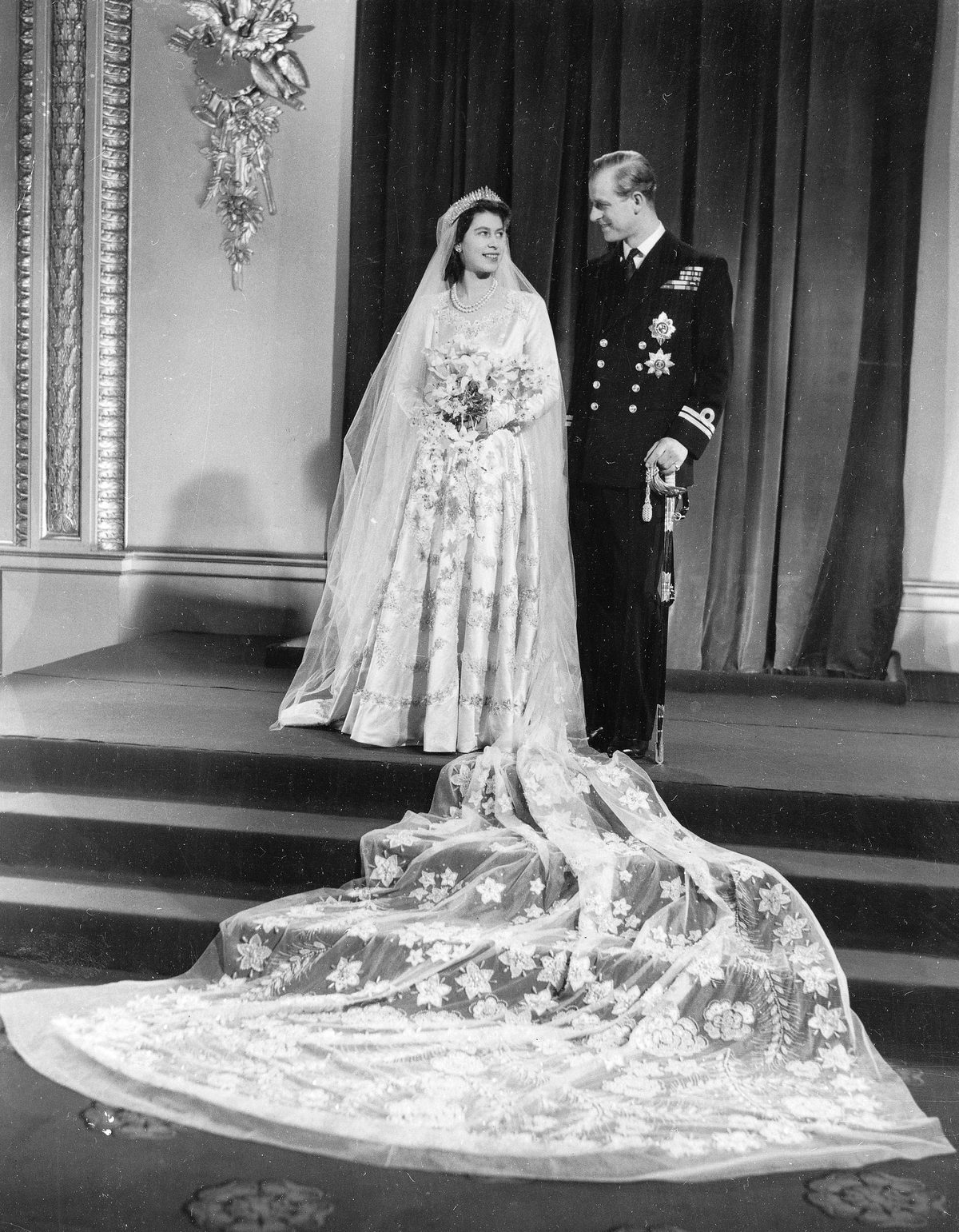
The preparations for the wedding were extensive, as they should be for a future queen. Elizabeth’s bridal gown was a masterpiece of ivory satin, adorned with 10,000 seed pearls and designed by Norman Hartnell. Yet, the grandeur of the event was almost overshadowed by one particularly nerve-racking mishap: her tiara snapped just before she was supposed to leave Buckingham Palace. Thanks to quick-thinking and deft hands, the piece was swiftly mended by the court jeweller, adding an unexpected episode to the day.
A further twist was added when her bouquet went missing, leaving the young princess in a rare state of unease. This is the backdrop against which Philip stood, unaware of the hiccups delaying his bride's arrival, portrayed not as a bewildered suitor, but as he would later be celebrated—stoic, composed, thorough to the core.
Eight Minutes of Solitude
As Philip stood alone in silence at the altar, the towering expectations of a 'fairy-tale wedding' hung in the air. His solitary wait could have easily been a moment of anxiety, but those who observed noted his unflinching calm and the measured dignity with which he faced the unexpected delay. The son of Prince Andrew of Greece and Denmark, Philip’s stern exterior often belied a calm and pragmatic interior, honed during wartime service in the Royal Navy where unpredictability was the norm.
Though surrounded by the grandeur of Westminster Abbey’s medieval stonework and the silent presence of dignitaries and family members from across Europe, Philip stood without glancing back, maintaining his dignity as only a naval officer and eventual consort to a queen might. This moment, brief yet eternal for those holding their collective breaths, began a marriage that would eventually define his life and role as the longest-serving consort in British history.
A Union of Scarves and Scepters
The marriage was a match that resonated with the public. For Elizabeth, there was an element of true romance. She had first met Philip at the tender age of 13 during a royal family visit to Dartmouth naval college. His apparent good looks and decisive charm captivated her, setting the stage for exchanges of letters and meetings—culminating in their engagement in July 1947.
For Philip, the marriage represented more than royal duty; it was an opportunity to engage the monarchy with the modern world, an aim he pursued ardently once married. The ceremony itself was a testament to both their personal sensibilities and their roles in the public eye. It was an occasion designed not only to celebrate their union but to fortify spirits, celebrating the enduring values of unity and resilience that Britain desperately needed.
The Resilience of History
The paths Elizabeth and Philip traversed together encapsulated a myriad of challenges that transcended the usual trials of marriage. From navigating their duties through seismic shifts in social norms and global politics to weathering personal and public storms, each moment shaped a monarchy constantly teetering between tradition and innovation.
The challenges they faced were many, some particularly poignant—such as the transition Elizabeth had to make from a young bride to a queen at just 25 years of age. Philip, often the unsung hero, manifested a loyalty that complemented the demands of the crown, creating a partnership that, beyond mere protocol, emphasized affection and humor amidst royal veneer.
Enduring Symbols
Philip’s eight minutes of unexpected reflection, standing alone at the altar on that fateful November morning in 1947, perhaps symbolized the steadfast dedication he would channel throughout his life. Even as he faced personal sacrifices for the sake of monarchical responsibility, he maintained an indelible influence on the evolution of the modern British royal family.
Today, as we look back on the legacy of Prince Philip, Duke of Edinburgh, and his marriage to Queen Elizabeth II, we are reminded of the human moments etched against the regal backdrop. These stories resonate not only because of their grandeur but because of their reminder of grace under pressure and the presence of unity amidst waiting.
While the monarch has its official symbols—crowns, thrones, coronets—it may well be the quiet, unspoken moments of life that best capture the resilience and renewal of traditions filtered through time. In a world that has seen rapid transformation, the image of a young naval officer standing alone at the altar is a testament to enduring dignity and commitment, offering inspiration and continuity for generations to come.
📷 Photo: Associated Press. Public domain via Wikimedia Commons.