Every royal nanny had a routine. Children were dressed, presented, and returned. It was simply how things were done. But Diana walked into that nursery and sat down on the floor — and in doing so, she quietly rewrote what royal motherhood could look like.
The Unexpected Transformations Within Royal Walls
In the lavish, echoing corridors of the British monarchy's many palaces, traditional practices held steady, as unwavering as the stone structures themselves. Royal children were expected to be proper, as if carved from the same chiseled stone — displayed and disciplined, yet often kept distant from their parents by a regimented routine. It was the royal way, an ancient formula iterated through generations. Yet in 1985, within the storied confines of Kensington Palace, a new era began to unfold, quietly but undeniably, through a seemingly mundane, yet monumental act.
Princess Diana, with a spark of modernity and a breath of fresh air, was unlike any Princess of Wales before her. When she stepped into the nursery room that particular day, she didn't merely observe her child. Instead, she placed herself at his level, both figuratively and literally. Sitting cross-legged on the plush carpet, Diana began to read aloud to young Prince William, showcasing her devotion as she held his attention with a storybook, not just allegeance to tradition.
The Royal Protocol and the Winds of Change
The British monarchy has long been defined by its protocols — a machine in which every cog, no matter how small, performed in accordance. This responsibility extended to the upbringing of royal offspring. Traditionally, children would spend more time with their nannies than with their parents, adhering to a schedule that emphasized grooming, learning, and public appearances over warm family interactions.
Such protocols wove an intricate tapestry of hierarchy and decorum, one meant to preserve regal distinction and decorous behavior within every part of the royal estate. Yet, Diana's maternal warmth and rebel spirit quietly ushered in a new dynamic, a beautifully intimate and human contrast to the centuries of regimented tradition. She subtly challenged the notion that royal children were symbols of the institution before they were sons and daughters.
Diana's Impactful Approach to Royal Motherhood
It's easy to overlook how extraordinary her behavior was unless one considers the societal and institutional constraints around her. Diana's approach wasn't seen merely as casual or effervescent. It was deliberative, bearing deep significance and conscious choice. Her willingness to deviate from royal norms reversed a centuries-old equation. The young princes, William and later Harry, were seen and heard, their laughter resounding within the palace walls.
While Diana’s approach seemed startlingly new, it was rooted in her genuine affection and commitment to her children. Watching from the wings, the royal staff often remained in silent awe. Nannies, hardened by years of custom, couldn't help but recognize that something special was transpiring, hinting perhaps at how love, rather than lineage, could define a prince.
Human Moments Beyond Monarchy's Grandeur
The heartwarming moments of Diana’s unbridled affection did more than amuse the palace staff; they humanized the royal family for the public at large. Images and anecdotes from these candid interactions found their way into the hearts and minds of people worldwide. Diana, now dubbed "The People's Princess," demonstrated that the virtues of royal life need not be devoid of humanity.
From down on the nursery floor, in a brightly colored play space, the future King of England would learn tales of adventure, not among quiet whispers of propriety but amidst joyful laughter.
Each story read, each laughter shared, built an enduring foundation of comfort and childhood exposure. William would emerge not just with stories spoken from books but imparted with memories of love and attention. Diana's deliberate defiance of tradition was transformative, foreshadowing a future where emotional intelligence, empathy, and familial support stood alongside public duty.
The Legacy of Love: Drawing Parallels from Past to Present
As years have flowed by, it's not merely the British royal family that Diana influenced. Her impact extends across global society — her spirit an enduring symbol of the deep-seated desire for authenticity and connection. The fragrant echoes of her influence resonate throughout modern parenting, where emotional engagement and individualization of children prevail.
Now, more than three decades on, her sons carry forward not only her legacy but also her values. In the quiet moments, away from public spectacle, when we catch brief glimpses of a father’s gentle embrace or playful tickle, it is Diana's path they tread upon. Indeed, what transpired on the nursery floor all those years ago rekindles a lesson about the essence of royalty — one that balances stately command with the strength found in warmth and tenderness.
Princess Diana’s informal acts and genuine heart provided the world with a new lens through which to view the monarchy. Her love, portrayed not just in words but actions, forever changed the narrative and perhaps, through its simplicity, taught us something profound about royalty, service, and the human heart intertwined. In Diana's legacy, the royal family finds not only a model of kindness but also a renewed understanding of what it means to lead with compassion.
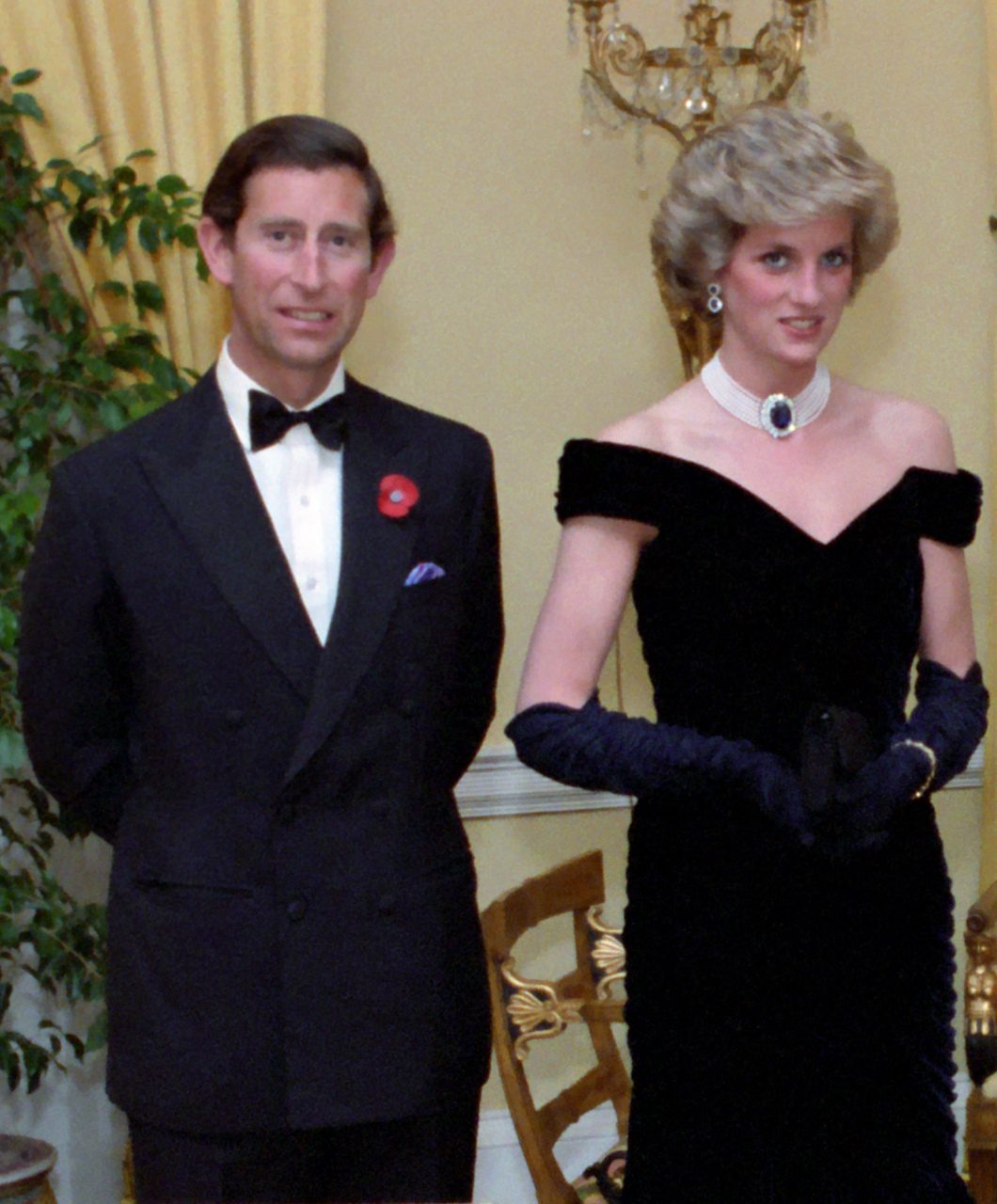
📷 Photo: Series: Reagan White House Photographs, 1/20/1981 - 1/20/1989 Collection: White House Photographic Collection, 1/20/1981 - 1/20/1989. Public domain via Wikimedia Commons.