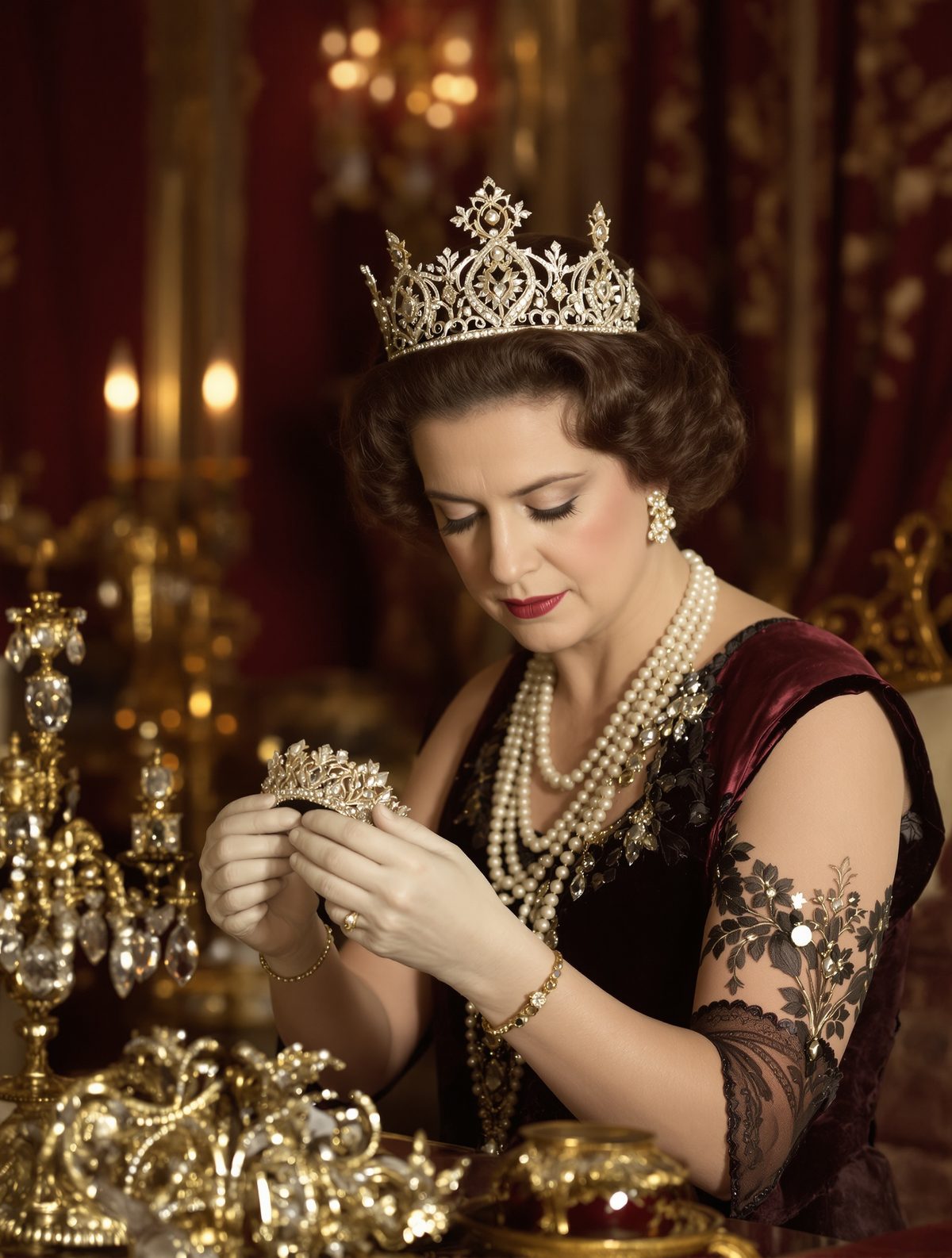
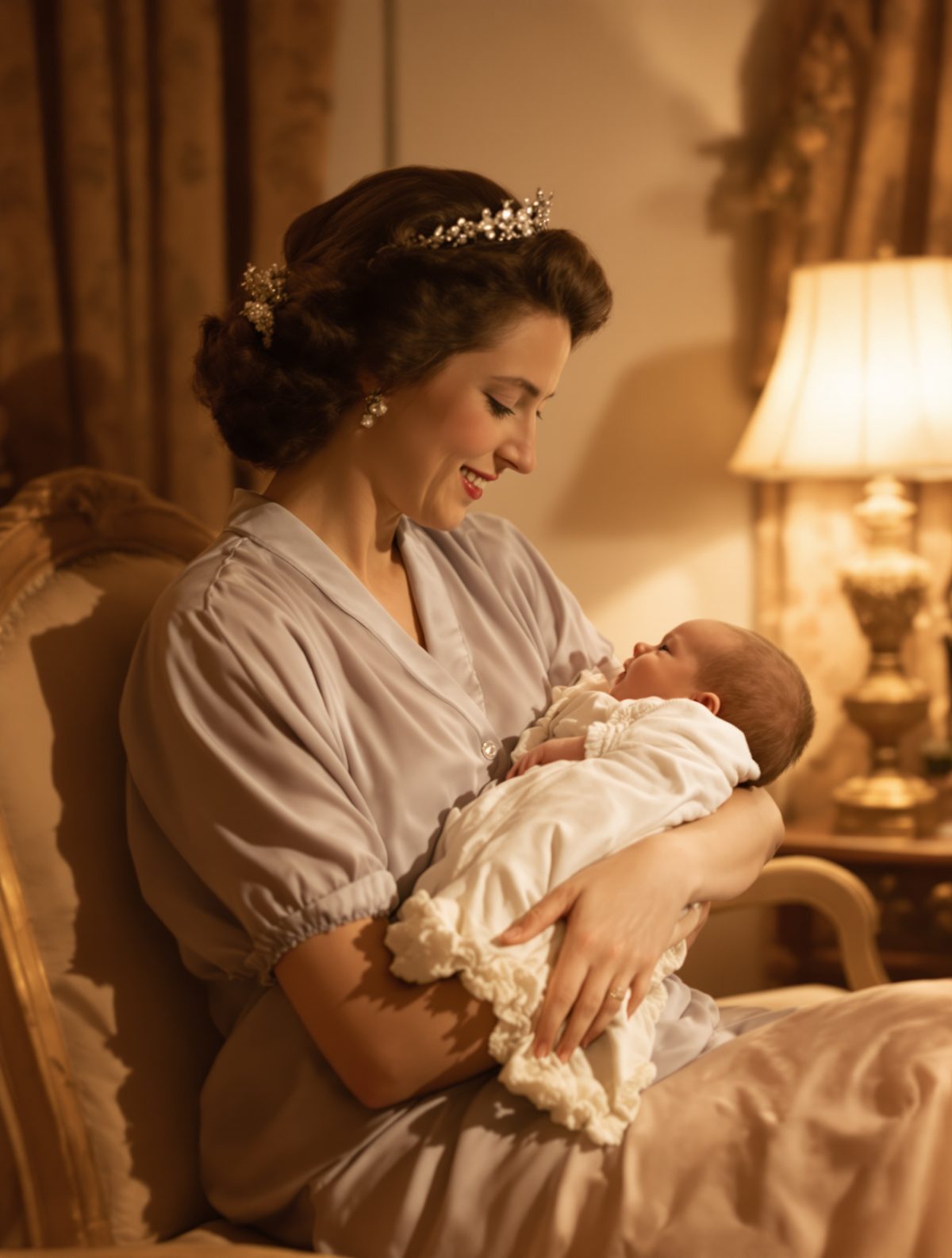
In the hushed corridors of Buckingham Palace during the winter of 1949, an unprecedented sound echoed through the royal quarters at three o'clock in the morning: the gentle footsteps of Princess Elizabeth herself, padding barefoot to her infant son's nursery. What should have been the domain of trained night nurses had become the future Queen's most cherished—and controversial—maternal battlefield. While palace staff stood bewildered in silk-wallpapered hallways, the 23-year-old Princess was quietly revolutionizing royal motherhood, one midnight nappy change at a time.
Breaking Centuries of Royal Protocol
The birth of Prince Charles on November 14, 1948, had been a moment of unbridled joy for the royal family and the nation. Yet behind the palace walls, Princess Elizabeth's determination to personally care for her firstborn was causing quite the stir among the household staff who had served the monarchy for decades. Royal tradition dictated that newborn heirs should be tended to by a rotating staff of highly trained nannies, wet nurses, and nursery attendants—a system that had remained virtually unchanged since Queen Victoria's reign.
Princess Elizabeth, however, had very different ideas about motherhood. Despite the protests of senior courtiers who worried about "precedent" and "proper protocol," she insisted on taking the night shift herself. The young mother had experienced a relatively straightforward birth and was determined to embrace every aspect of caring for her son, including the less glamorous midnight moments that typically never troubled royal mothers.
Palace insiders of the time reported that the Princess would gently dismiss the night nurse each evening around 10 PM, telling the well-meaning woman that her services wouldn't be needed until morning. This left the experienced nursery staff in an unprecedented position—hovering uncertainly in nearby rooms, ready to assist if called upon, but ultimately redundant to a Princess who seemed to genuinely relish the intimate moments of early motherhood.
The Future Queen's Maternal Instincts
What made Princess Elizabeth's nocturnal routine particularly remarkable was her genuine competence and evident joy in these private moments with Prince Charles. Unlike many of her aristocratic contemporaries who viewed hands-on childcare as beneath their station, Elizabeth approached each feeding and nappy change with the same methodical care she brought to her royal duties.
The Princess had spent considerable time during her pregnancy learning the practical aspects of infant care. She had quietly arranged for instruction from the palace's most experienced nannies, practicing with dolls and asking detailed questions about everything from proper feeding techniques to the intricacies of cloth nappy folding—a skill that would prove essential in those pre-disposable days of 1949.
Those fortunate enough to witness these midnight scenes described a touching tableau: Princess Elizabeth, her hair loosely pinned back and wearing a simple dressing gown, would lift baby Charles from his ornate crib with practiced confidence. The nursery, decorated in soft blues and creams, became her private sanctuary where royal protocol gave way to the universal language of maternal love.
The practical challenges were not insignificant. Cloth nappies required careful cleaning and sterilization, feeding schedules needed to be maintained with precision, and the winter cold of the vast palace rooms meant ensuring both mother and baby stayed warm during these extended nighttime sessions. Yet Princess Elizabeth approached each challenge with characteristic determination and surprising practical skill.
Palace Staff Navigate Uncharted Territory
The Princess's insistence on handling night duties herself created a delicate situation for the palace staff, who found themselves in the unusual position of being prepared to serve yet deliberately kept at arm's length. The experienced team of nursery maids, who had cared for generations of royal children, waited in nearby rooms throughout the night, uncertain whether their assistance would be welcomed or viewed as interference.
Helen Lightbody, who would later become Prince Charles's beloved head nanny, initially found herself in the peculiar position of being employed yet temporarily unemployed during nighttime hours. Rather than feeling displaced, however, she reportedly admired the Princess's dedication and used the time to prepare for the following day's activities, ensuring that when morning arrived, everything would be perfectly organized for the Princess to rest.
The situation also required careful navigation from senior household staff, who needed to balance respect for the Princess's wishes with their duty to ensure the safety and wellbeing of the future heir. A discreet compromise emerged: staff members would remain within earshot but out of sight, available at a moment's notice should any assistance be required, while giving the Princess the privacy she craved for these precious bonding moments.
Interestingly, this arrangement seemed to enhance rather than diminish the efficiency of the nursery operations. During daylight hours, when Princess Elizabeth rested or attended to her official duties, the professional staff could implement their expertise fully, creating a seamless transition between the Princess's personal care and the formal royal nursery routine.
A Modern Royal Mother Emerges
Princess Elizabeth's approach to motherhood in 1949 was quietly revolutionary, not just within the confines of royal tradition but also in the broader context of post-war British society. While many upper-class mothers of the era relied heavily on domestic staff for childcare, the future Queen was pioneering a more hands-on approach that would later influence how the monarchy connected with ordinary families across the Commonwealth.
The Princess's midnight vigils with Prince Charles represented more than simple maternal devotion—they demonstrated a new kind of royal accessibility and relatability. Here was a young mother who, despite having unlimited resources and assistance at her disposal, chose to experience the sleepless nights and tender moments that bonded mothers and babies across all social strata.
These nighttime routines continued for several months, establishing a pattern that would influence Princess Elizabeth's approach to raising all her children. Even as official duties began to increase and the demands of public life intensified, she maintained her commitment to being actively involved in the daily care of her children—a philosophy that would later be embraced and expanded upon by future generations of royal mothers.
The ripple effects of Princess Elizabeth's maternal choices in 1949 can be traced through decades of royal parenting. Her insistence on personal involvement in childcare helped normalize the concept of aristocratic mothers taking active roles in their children's daily lives, contributing to broader social changes in attitudes toward motherhood and family life in post-war Britain.
Looking back at those quiet midnight moments in the Buckingham Palace nursery, we see the early emergence of the deeply personal, family-centered approach that would characterize Elizabeth's entire reign. Those gentle 3 AM encounters between a young Princess and her infant son—conducted in defiance of centuries of royal protocol—reveal the profound humanity that has always existed at the heart of the modern monarchy. In choosing love over protocol, hands-on care over hands-off tradition, Princess Elizabeth demonstrated that being royal never meant sacrificing the fundamental bonds that make us human. The legacy of those tender midnight hours continues to influence royal parenting today, proving that sometimes the most revolutionary acts happen in the quietest moments.