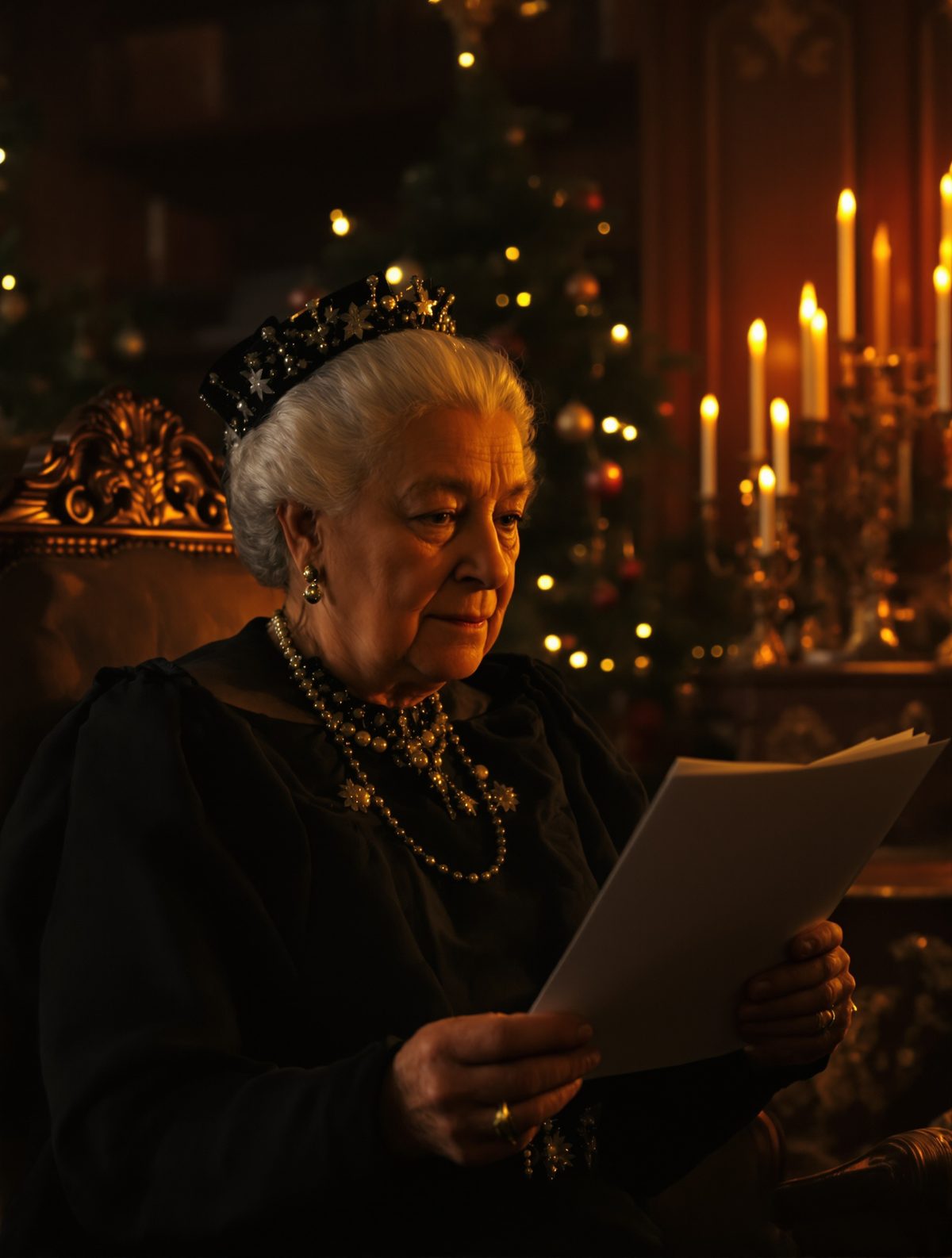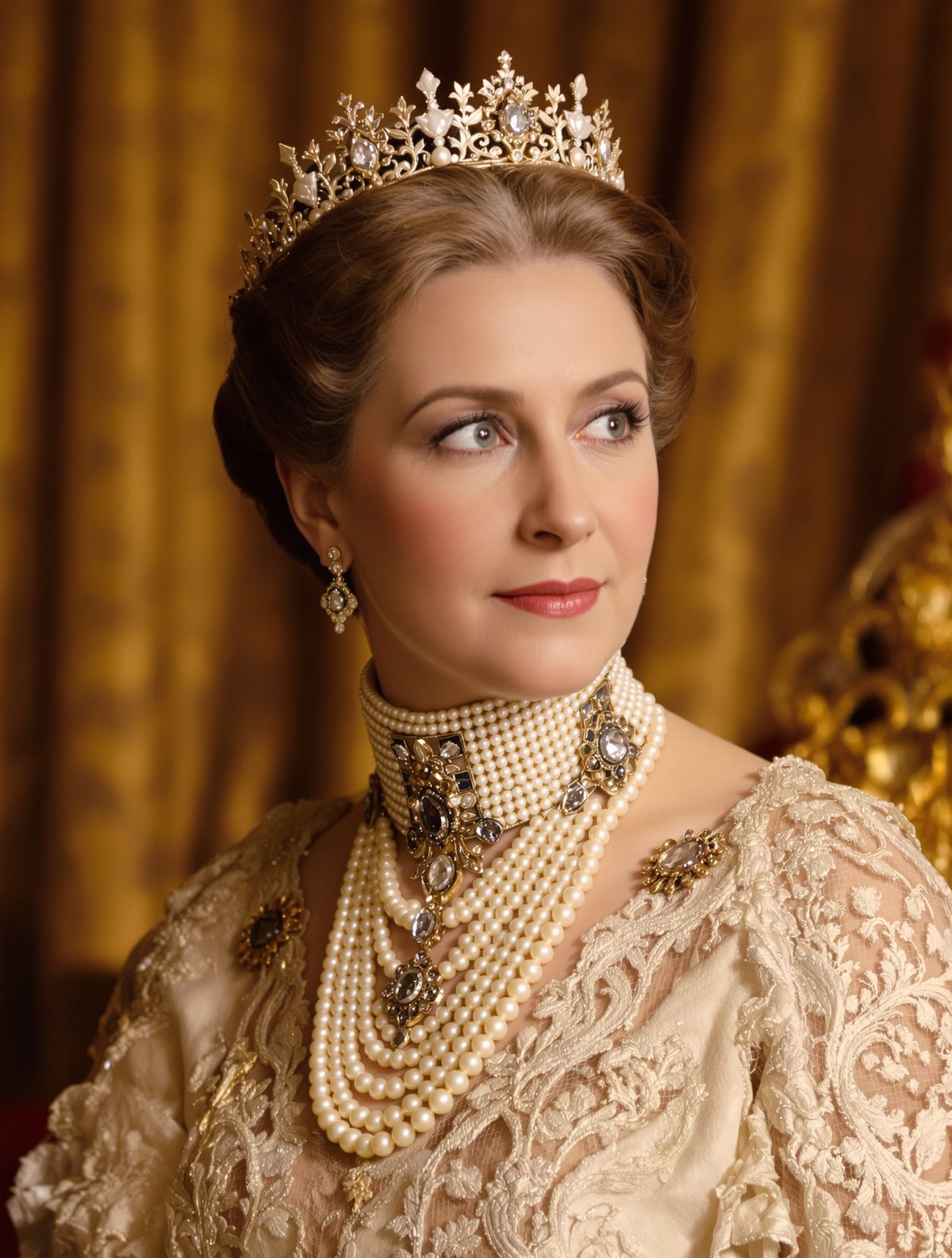
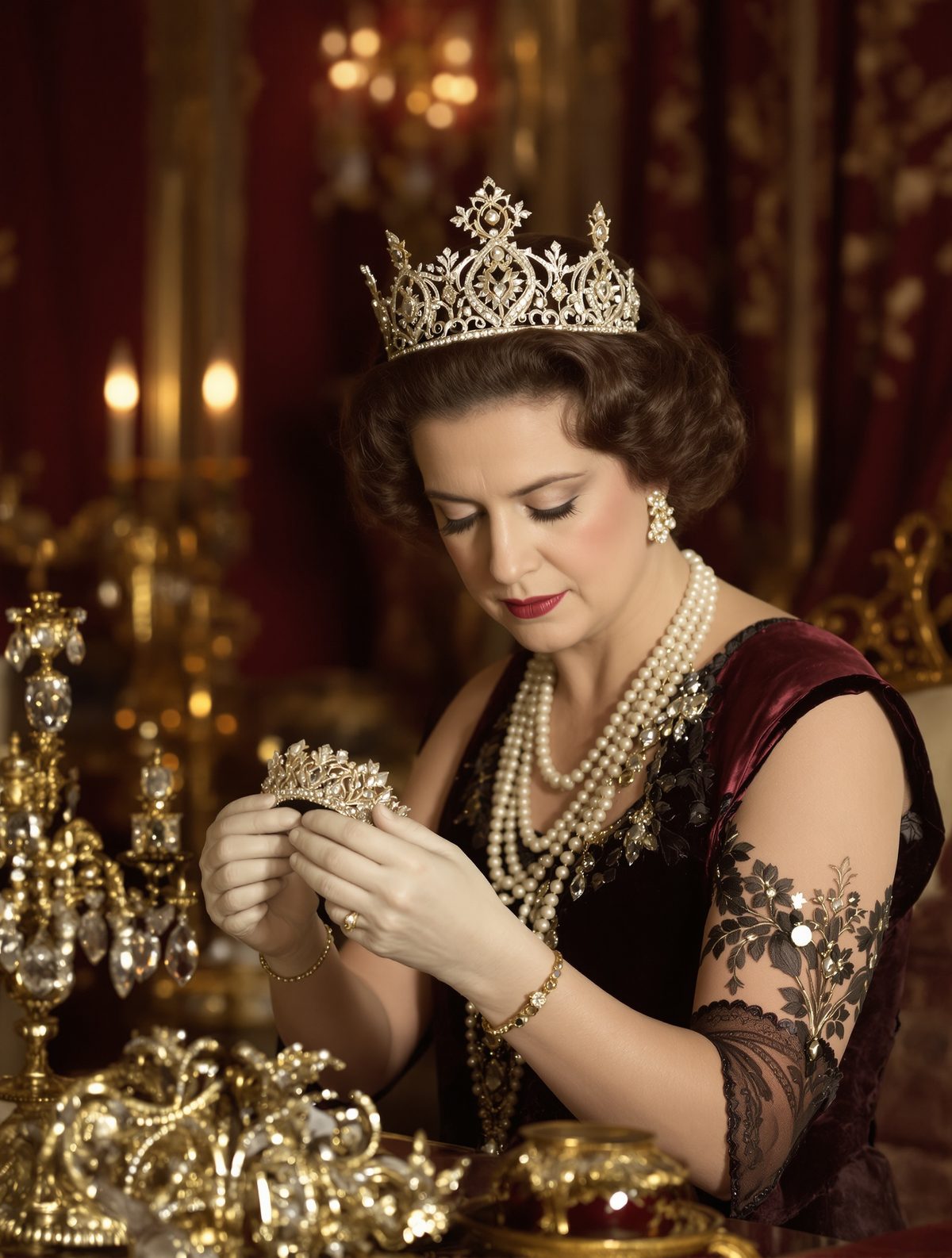
The glittering chandeliers of Mayfair's most exclusive drawing rooms cast their light on many secrets during the 1920s, but perhaps none quite so deliciously scandalous as Queen Mary's peculiar collecting habits. Her Majesty had developed what courtiers diplomatically termed an "enthusiastic appreciation" for beautiful objects—and what London's high society whispered about in considerably less charitable terms. When the Queen admired something, she did so with such fervent intensity that well-meaning hostesses often found themselves in the most awkward of positions, unsure whether they were witnessing genuine royal appreciation or something rather more calculating.
The Queen's Legendary Eye for Beauty
Queen Mary's passion for exquisite objects was no secret at court. Born Princess Victoria Mary of Teck, she had grown up surrounded by beautiful things, developing an almost encyclopedic knowledge of art, jewelry, and decorative objects that impressed even the most seasoned collectors. Her rooms at Buckingham Palace and Windsor Castle were testament to her discerning taste, filled with carefully curated pieces that told the story of Britain's royal heritage.
But it was her method of acquiring new treasures that had London's aristocratic circles buzzing with nervous energy whenever they received word that Her Majesty would be gracing their dinner tables. The Queen had perfected what can only be described as the art of strategic admiration—a technique so effective that it left even the most composed society matrons feeling utterly cornered.
Lady Airlie, one of Queen Mary's closest friends and ladies-in-waiting, would later describe the Queen's approach with characteristic diplomatic understatement. When Queen Mary spotted something that captured her fancy, she would examine it with the intensity of a museum curator, turning it over in her hands, discussing its provenance, and expressing such genuine delight that refusing her implicit request would have seemed almost cruel.
The Midnight Acquisition That Shocked the King
The incident that would become legendary in court circles occurred during what should have been a perfectly ordinary society dinner in the fashionable heart of London. Queen Mary, resplendent in her typically regal attire, was seated among the cream of British aristocracy when her attention was captured by a particularly spectacular tiara adorning her hostess.
The piece in question was no ordinary headpiece—it was a stunning creation featuring cascading diamonds that caught the light with every movement, clearly the work of a master craftsman. Queen Mary's appreciation was immediate and unmistakable. She complimented the tiara repeatedly throughout the evening, asking detailed questions about its design, its history, and its provenance with the enthusiasm of a true connoisseur.
What happened next has been recounted in various forms over the decades, but the essential facts remain consistent: faced with the Queen's obvious and repeatedly expressed admiration, the poor hostess found herself in an impossible position. How does one politely ignore such pointed interest from the Queen-Empress? The social pressure was enormous, and in a moment that she likely regretted for years to come, the lady offered the tiara as a gift to Her Majesty.
Queen Mary's acceptance was both gracious and immediate. The tiara disappeared into the royal collection that very evening, leaving behind a hostess considerably poorer and a dinner party with enough gossip to fuel London society for months.
King George V's Royal Mortification
When word of this particular acquisition reached King George V, his reaction was one of profound embarrassment. The King, known for his straightforward nature and strong sense of propriety, was reportedly mortified by his wife's collecting technique. Unlike Queen Mary, who seemed genuinely oblivious to how her enthusiasm might be interpreted, King George understood perfectly well how such incidents appeared to the aristocratic families they relied upon for support.
The King's concern wasn't merely about appearances—though those certainly mattered in an era when the monarchy's relationship with the aristocracy was crucial to its stability. He genuinely worried about placing their friends and supporters in such awkward positions. After all, what guest could comfortably refuse a request from the Queen, even an implied one?
Palace staff reported that His Majesty had several frank conversations with Queen Mary about her collecting methods, though these discussions were conducted with the discretion that characterized all their private dealings. The King's approach was typically direct: he wanted his wife to understand that her passion for beautiful objects, however genuine, was creating uncomfortable situations for their hosts.
The Social Minefield of Royal Entertaining
The tiara incident illuminated the complex social dynamics that surrounded royal entertaining in the 1920s. For Britain's aristocratic families, hosting the King and Queen was simultaneously a tremendous honor and a potential minefield. The elaborate protocols governing such visits were well-established, but Queen Mary's collecting habits introduced an entirely new variable into the equation.
Hostesses began developing strategies to protect their most precious possessions when royal visits were announced. Some pieces were quietly relocated to bank vaults "for security reasons," while others were simply removed from display for the duration of the royal stay. The more experienced society matrons learned to guide conversation away from their finest jewelry and objets d'art, steering the Queen's attention toward pieces they could afford to part with if necessary.
Yet it's important to note that Queen Mary's acquisitions weren't random acts of royal greed. She was genuinely passionate about preserving beautiful objects for posterity, and many of the pieces she collected during this period became important parts of the royal collection. Her knowledge and appreciation were authentic—it was simply her expression of that appreciation that caused such delicate social difficulties.
A Legacy of Passion and Preservation
Looking back on Queen Mary's collecting adventures nearly a century later, it's easier to appreciate both her genuine passion for beautiful objects and the awkward situations her enthusiasm created. Her acquisitions, however controversially obtained, became part of Britain's royal heritage, carefully preserved and displayed for future generations to appreciate.
The Queen's eye for quality was undeniable—many of the pieces she acquired during her most enthusiastic collecting years are now considered among the finest examples of their kind in the royal collection. Her dedication to preserving Britain's artistic heritage, though sometimes expressed in socially complicated ways, contributed significantly to the cultural treasures that continue to represent the monarchy today.
Perhaps most tellingly, the incident reveals something charmingly human about one of Britain's most formidable queens. Behind the regal bearing and imperial dignity was a woman who could become genuinely excited about a beautiful tiara, so much so that she forgot the social implications of her enthusiasm. In an era when royalty often seemed remote and untouchable, Queen Mary's passion for collecting—however awkwardly expressed—showed her to be refreshingly, recognizably human.
Today's royal family has certainly learned from Queen Mary's experiences, developing more formal and transparent methods for building and maintaining the royal collection. Yet her legacy lives on in the extraordinary array of beautiful objects that continue to represent the best of British craftsmanship and artistic achievement, each piece a testament to her discerning eye and enduring passion for preserving beauty for future generations.