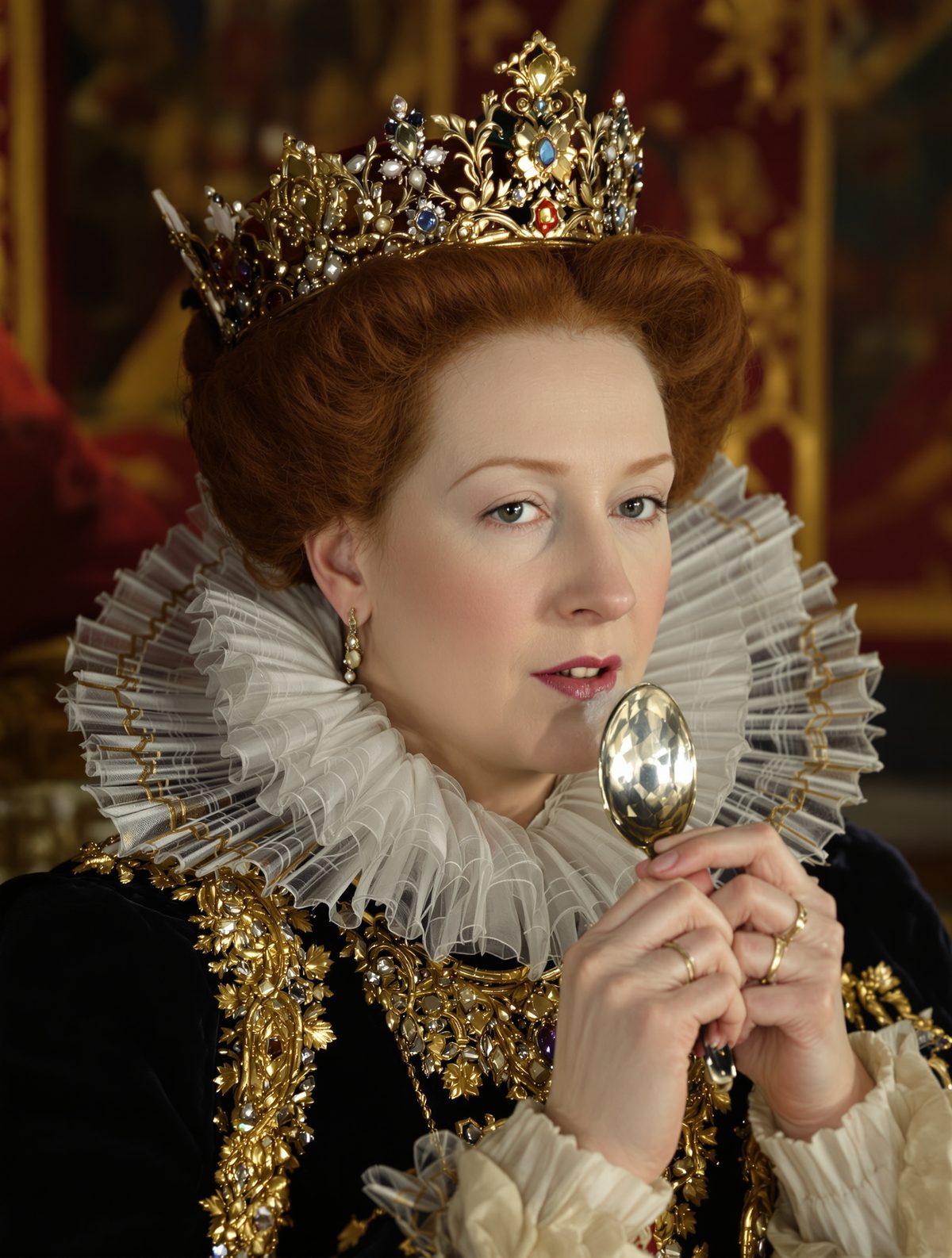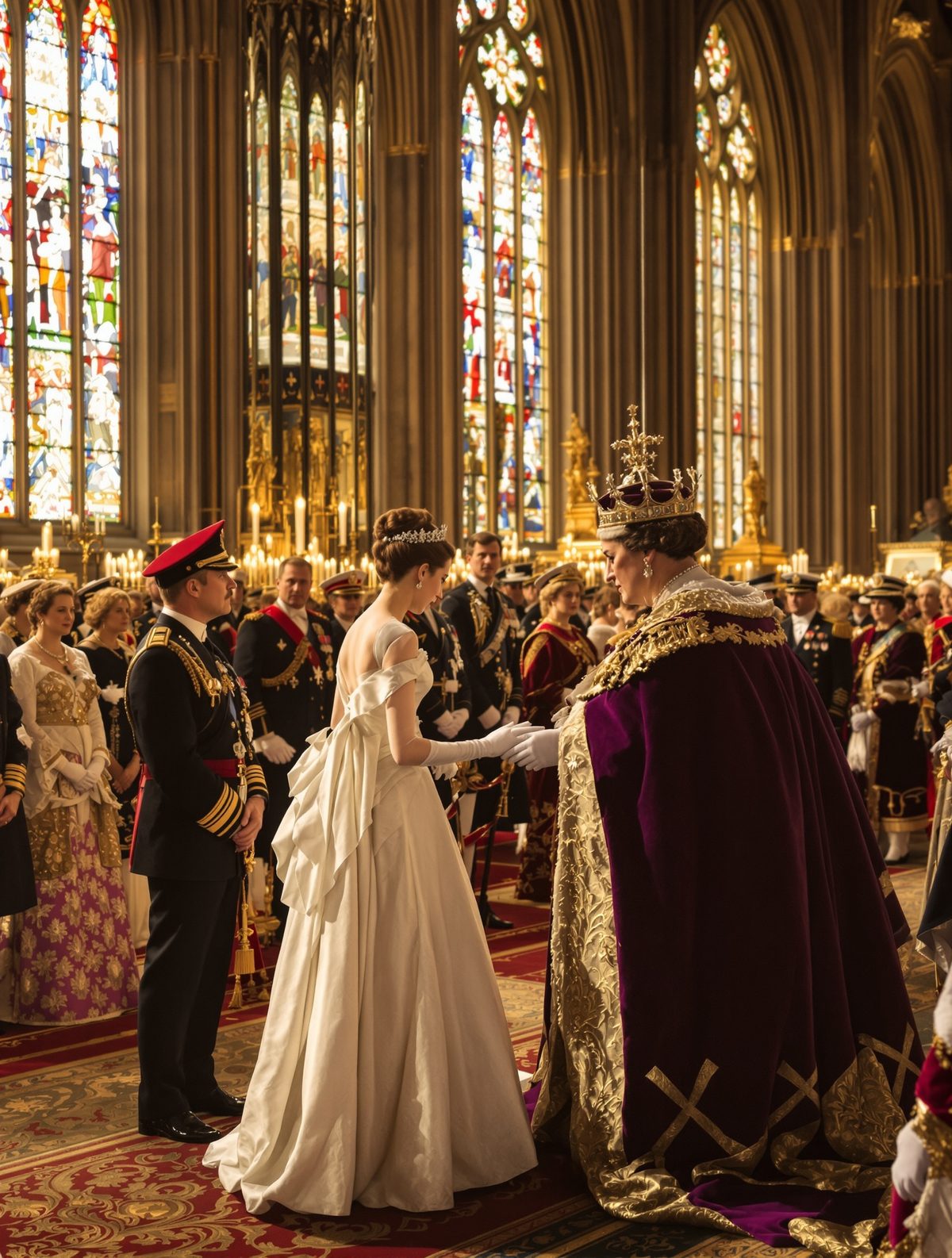
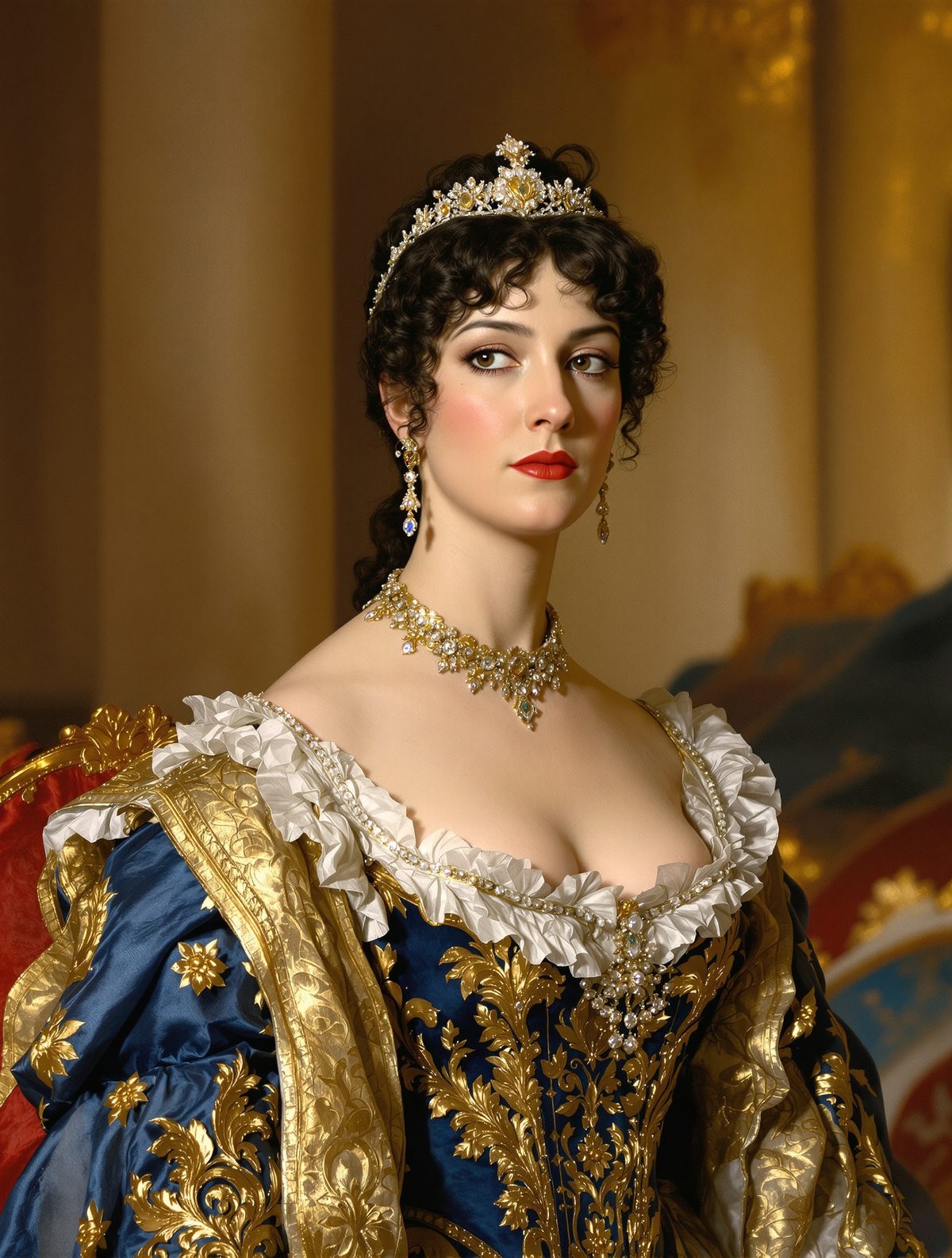
Picture this: the grandest coronation ceremony in British history is about to begin at Westminster Abbey. Nobles in their finest robes, dignitaries from across Europe, and thousands of spectators line the streets. But when a determined woman in black arrives at the Abbey doors demanding entry as the rightful Queen of England, she's met with bolted doors and royal guards. This wasn't some delusional pretender – this was Queen Caroline, the legitimate wife of King George IV, staging one of the most audacious royal protests in British history.
A Marriage Doomed from the Start
To understand the extraordinary events of July 19, 1821, we must first delve into one of the most turbulent royal marriages ever recorded. When Prince George (later George IV) wed Princess Caroline of Brunswick in 1795, it was a union born of financial necessity rather than love. The Prince, drowning in debt from his extravagant lifestyle, desperately needed Parliament's financial support – which came with the condition that he marry and produce an heir.
From their very first meeting, the couple were utterly incompatible. Caroline, described by contemporaries as vivacious but lacking in the refined manners expected at court, clashed spectacularly with George's sophisticated but dissolute character. The Prince reportedly spent their wedding night drunk, and their daughter Princess Charlotte was conceived during one of their few reconciliations.
Within a year of their marriage, the couple had separated, with George returning to his longtime mistress Mrs. Fitzherbert, and later Lady Hertford. Caroline, feeling spurned and isolated at court, eventually left England in 1814 to travel across Europe – a decision that would have far-reaching consequences for the monarchy.
The "Delicate Investigation" and Public Opinion
Caroline's years abroad were marked by increasingly scandalous behaviour that provided ammunition for her enemies at court. She travelled openly with her Italian courier Bartolomeo Pergami, whom many suspected of being more than just an employee. When George became King in 1820 following his father's death, he was determined to rid himself of his embarrassing wife once and for all.
The new King's solution was as dramatic as it was risky: a public trial in the House of Lords to strip Caroline of her royal titles on grounds of adultery. This backfired spectacularly. The British public, already resentful of George's own notorious infidelities and extravagant spending, rallied behind Caroline with surprising enthusiasm.
Crowds gathered outside her residence shouting "God Save Queen Caroline!" while satirical cartoons and pamphlets mocked the King's hypocrisy. The proceedings, dubbed "The Trial of Queen Caroline," became a public spectacle that threatened to undermine the very foundations of royal authority. Women especially supported Caroline, seeing in her plight their own vulnerability to male authority and double standards.
When the bill seeking to dissolve the marriage was eventually withdrawn due to lack of support, Caroline had won a pyrrhic victory. She remained Queen in name, but the damage to the monarchy's reputation was severe, and George's resentment burned stronger than ever.
The Coronation Confrontation
George IV was determined that his coronation would be the most magnificent spectacle in British history – and equally determined that his wife would play no part in it. No invitation was sent to Caroline, and explicit instructions were given that she was to be denied entry to Westminster Abbey under any circumstances.
Caroline, however, had other plans. On the morning of July 19, 1821, she arrived at the Abbey in a coach with just a handful of supporters, determined to claim her rightful place as Queen. What followed was a scene that could have come from a theatrical drama.
At Westminster Hall, she was turned away by guards. Undeterred, she proceeded to the Abbey itself, where she encountered the same reception. According to witnesses, Caroline demanded entry, declaring her right as Queen to be present at the coronation. The doors remained firmly shut. Some accounts suggest she even attempted to gain entry through the Poet's Corner entrance, only to be refused again.
Meanwhile, inside the Abbey, George IV proceeded with the ceremony in magnificent splendor, wearing a crimson velvet robe and a diamond-encrusted crown, seemingly oblivious to the drama unfolding outside. The coronation itself was a triumph of pageantry, with the King's champion dramatically riding into Westminster Hall in full armor to challenge anyone who disputed George's right to the throne.
The Public's Defiant Queen
Perhaps the most remarkable aspect of this royal drama was the public's reaction. While the aristocracy inside the Abbey celebrated their new King, the crowds outside cheered Caroline's defiant stand. She had become a symbol of resistance against royal tyranny and male privilege, her exclusion from the coronation seen as yet another example of George's vindictive character.
Caroline's dignity in defeat won her even more admirers. Rather than creating an unseemly scene, she eventually withdrew with grace, though her supporters continued to voice their displeasure. The contrast between the King's magnificent coronation and his wife's public humiliation only served to highlight the human cost of their bitter feud.
The event marked a turning point in how the British public viewed their monarchy. For the first time, ordinary people had openly taken sides in a royal dispute, demonstrating that the Crown's authority was not absolute and that public opinion mattered more than ever before.
Legacy of a Royal Scandal
Caroline's attempted gate-crashing of the coronation would be her final act of defiance. She died just three weeks later, on August 7, 1821, at the age of 53. Even in death, she continued to embarrass George IV – her funeral procession through London drew massive crowds of mourners, far exceeding anything the King could command.
The entire Caroline affair had profound implications for the British monarchy. It demonstrated the growing power of public opinion and the press in shaping royal reputations. The scandal also highlighted the need for the Crown to maintain moral authority – a lesson that would influence royal behaviour for generations to come.
Today, as we witness the modern Royal Family's careful attention to public sentiment and their emphasis on duty, service, and moral conduct, we can trace these values back partly to the lessons learned from George IV's troubled reign. Queen Caroline's dramatic stand at Westminster Abbey serves as a powerful reminder that even queens must sometimes fight for their dignity – and that the British public has always had a soft spot for the underdog, even when challenging the Crown itself. Her story resonates as a tale of a woman who refused to be silently discarded, demanding recognition and respect in an age when both were rarely granted to wives who had fallen from favour.