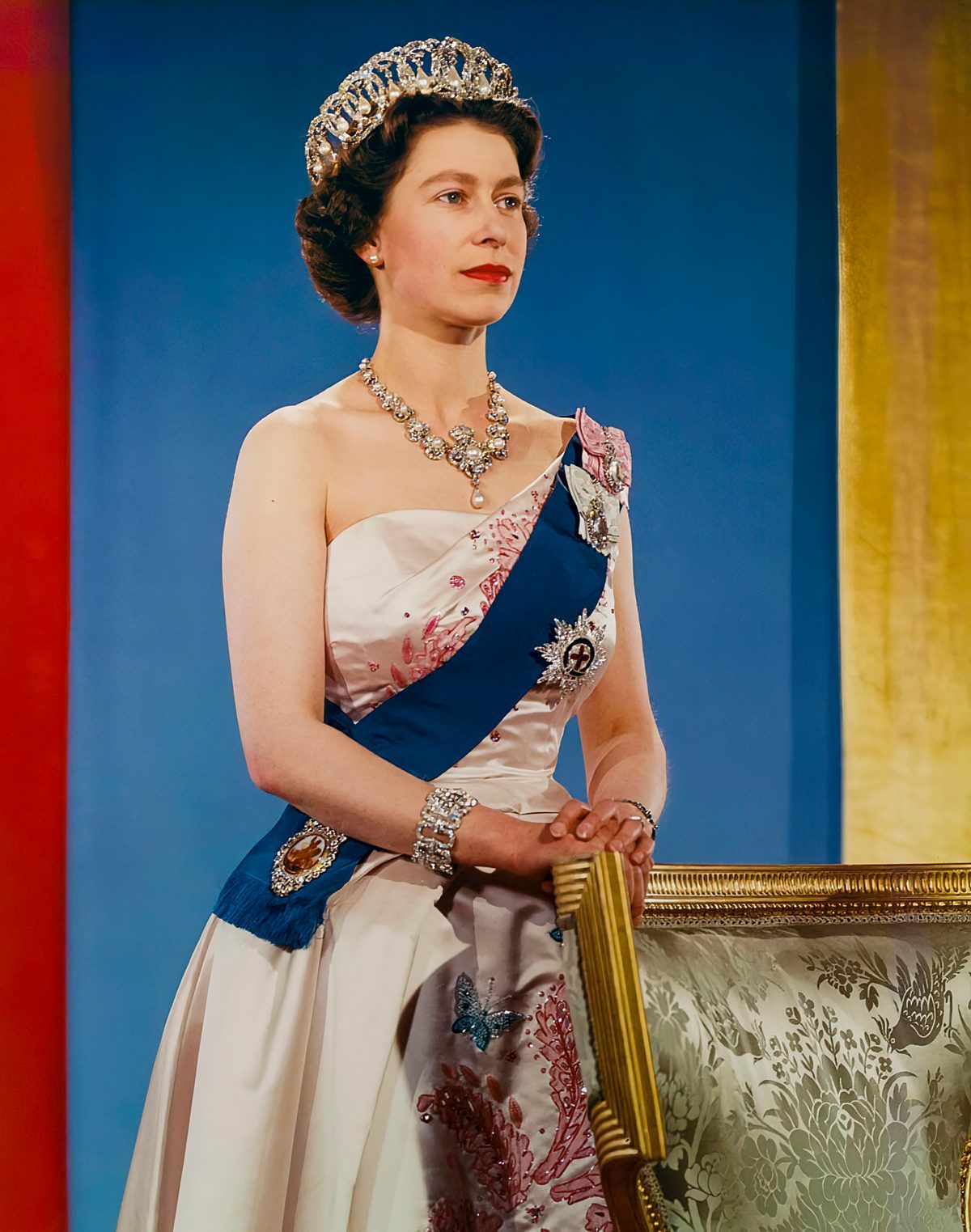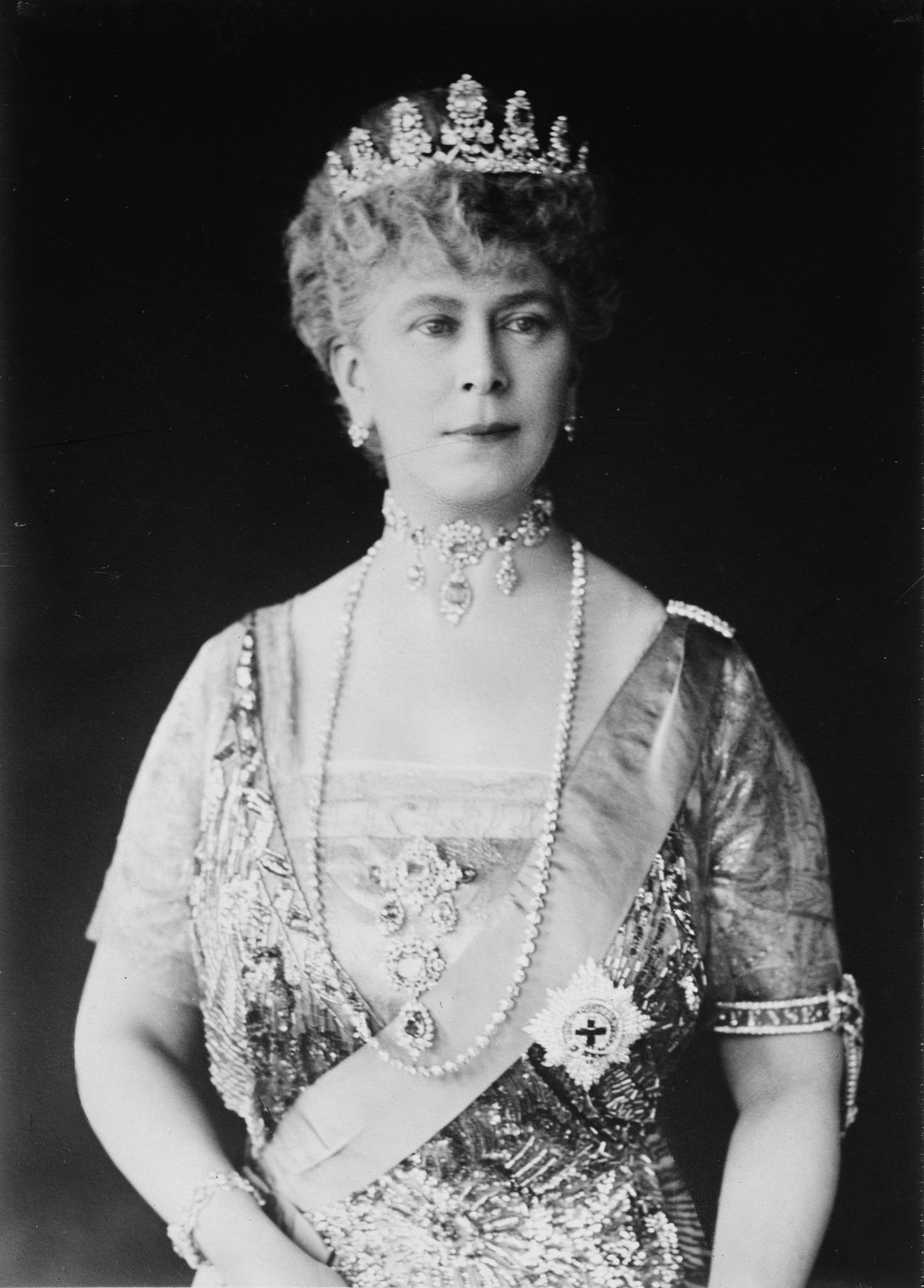
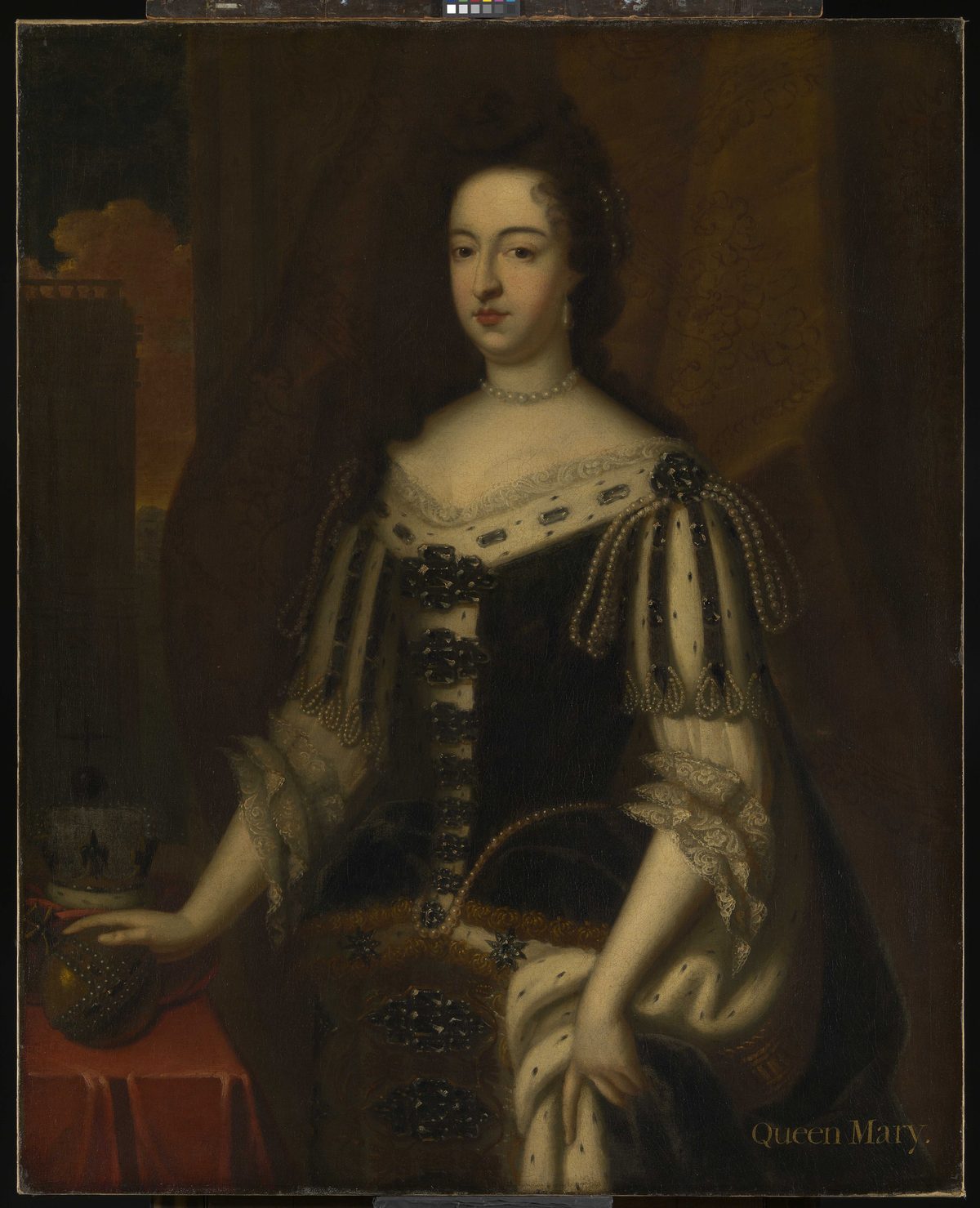
As the twilight of February 12, 1689, descended upon the bustling city of London, spectators gathered close, eager to glimpse their new sovereign. Mary II, resplendently draped in regal robes, exuded a composed elegance that belied her inner turmoil. With every practiced step, she held the weight of England on her shoulders. But behind the public facade, the night would unravel in solitude and sorrow for the woman who would soon become queen—a daughter torn between her sacred obligations and familial love.
The Crown and the Conflict
For Mary II, the path to the throne was laced with both triumph and loss. She was stepping into a role destined by birthright yet shrouded in unforeseen complexity. When the Glorious Revolution ushered in a seismic shift, her father, King James II, was forced into exile, marking the end of one reign and the hesitant beginning of another. James' Catholic faith and authoritarian rule drew the ire of a Protestant England, leading Parliament to invite Mary and her husband, William of Orange, to rule jointly as Protestant monarchs. This transfer of power was lauded by many as a salvation for England, but for Mary, it was a source of deep personal conflict.
The heart of her dilemma lay in the allegiance, not just to a nation but to her father. Torn between duty and devotion, Mary found herself at the epicenter of a familial earthquake. Despite her public composure, an internal tempest raged on the eve of her coronation, whispering a question: How does a daughter reconcile the love for her father with the expectations of a kingdom?
A World of Regal Responsibility
The royal court of the late 17th century England was an intricate tapestry of ceremony, politics, and societal expectation. The palatial corridors of Whitehall buzzed with an anticipation tinged with tension, urging Mary to fulfill her sovereign duties. Her ascension was not merely a personal milestone but a national turning point, carrying the hopes of a Protestant nation eager for stability and religious unity.
Mary, educated to embrace the Protestant faith from infancy, carried the expectation of being more than a figurehead. She was to represent a change—a move away from the practices of her father's regime. In assuming the mantle, Mary was well-prepared by her Dutch upbringing alongside William, wherein she absorbed the principles of governance and understood the nuances of international diplomacy. Yet, such preparedness could not mute the echoes of personal heartbreak.
The Night of Solitude
As evening fell on the Palace of Whitehall, the throngs of people rejoicing echoed faintly into the private chambers where Mary sought solace away from the eyes of England. There, in isolation, the stoic resolve she displayed to the world unfurled into unrestrained tears. It was a private lamentation for the absence of a father whose presence was more than mere ceremonial; it was an anchor of affections and lineage now severed.
The diary of one court lady noted the corridors were silent save for the tolling church bells in the distance—a somber symphony accompanying Mary's vigil. Few knew of this unguarded moment, for, by dawn, the regal veil returned. The Queen would emerge with serenity in her gaze, yet within her heart, traces of anguish lingered—echoes of a daughter mourning the perpetual departure of a beloved parent.
Navigating the Role of a Monarch
Once crowned, Mary’s reign was a harmonious blend of grace and governance. She shared the throne with William, respecting both their individual strengths and shared vision. Despite their equal titles, Mary often deferred to William in matters of state, allowing her to seamlessly integrate her role as both wife and queen. Her reign focused on promoting Protestantism, building alliances, and fostering a stable political environment—while navigating the delicate line between asserting her influence and maintaining unity with her husband.
In private, Mary was noted for her charitable endeavors and her keen interest in architectural development, a passion she shared with William. Together, they endeavored to transform the royal landscapes, reshaping not just the structures, but the identity of a nation during a pivotal era in British history.
A Legacy Carved in Complexity
In reflecting upon Queen Mary II's journey to the throne, one cannot ignore the intertwining narratives of duty, love, and historical legacy. Her reign, albeit brief at only five years, established a constitutional monarchy that would forever alter the British political landscape. By paving the way for a lineage that champions Protestant rule, she reaffirmed her place in the annals of history, not as a conqueress, but as a stabilizing force during one of England’s most uncertain times.
Remarkably, Mary's story underscores a timeless narrative within the monarchy: that beneath the grandeur and ceremonial pomp lies the humanity of individuals caught in the tides of destiny. Her tumultuous night of tears remains a testament to this—an enduring reminder that the crown, while celebrated, carries an unparalleled weight of its own.
Today, as the British monarchy continues to evolve, we marvel at the complexity of its past—a legacy enriched by figures like Queen Mary II, whose life remains a poignant reflection of commitment and courage amid extraordinary circumstances. Her story encourages us to embrace the intricate tapestry of regal history while inviting us to ponder the personal sacrifices entwined with public service, reminding us of the powerful bond between heritage and humanity.
📷 Photo: Godfrey Kneller. Public domain via Wikimedia Commons.